Discover programs & events in your region
New Energy Nexus programs
Programs we run with our partners
Closing the loop on Australia’s lithium battery supply chain
How New Energy Nexus and Energy Lab are backing Australian startups to build a circular battery economy
Since 2023, Supercharge Australia, a joint initiative of New Energy Nexus and EnergyLab, has been building Australia’s lithium battery ecosystem one cohort at a time, across two program lines: the Innovation Challenge and the Incubator.
Supercharge Australia has run four Innovation Challenges and two Incubator cohorts. Together they back startups across the battery value chain, working on new cell chemistries, critical minerals, advanced materials, energy storage, electric vehicle conversions and recycling. The Incubator, launched in 2025, supports teams at the prototype and early stage. The Innovation Challenge has set goals as ambitious as retrofitting half of Australia’s vehicle fleet to electric, and in 2026 it took the program into Southeast Asia.
The Supercharge Australia portfolio consists of 59 startups, and AU$212M of follow-on funding.
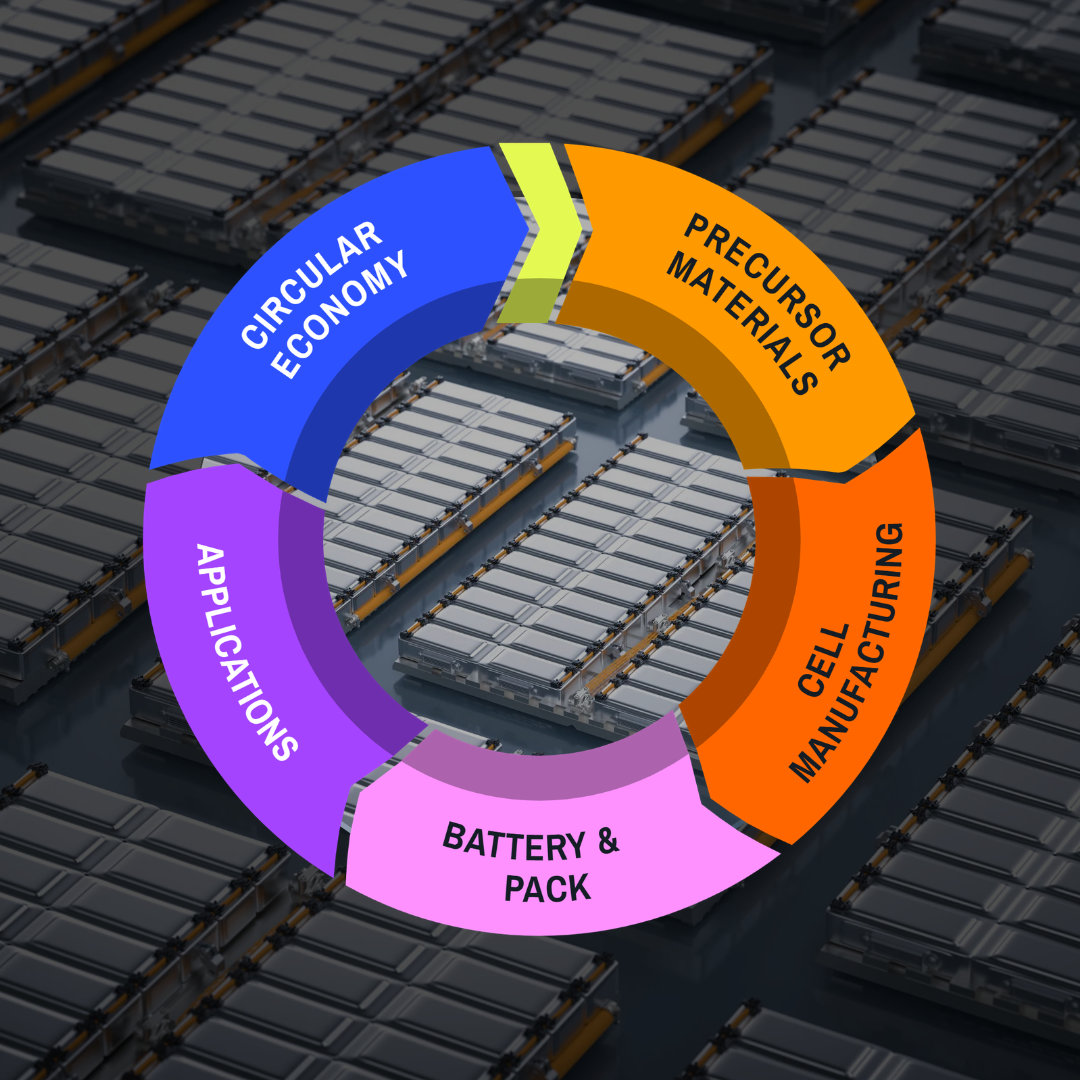
The interactive dashboard below maps all 59 startups in the Supercharge Australia portfolio across every stage of the battery value chain, and can be viewed as a whole or cohort by cohort.
It shows where Australian innovation is already strong, where the gaps are, and how startups can help build a battery industry that recovers and reuses its own materials.
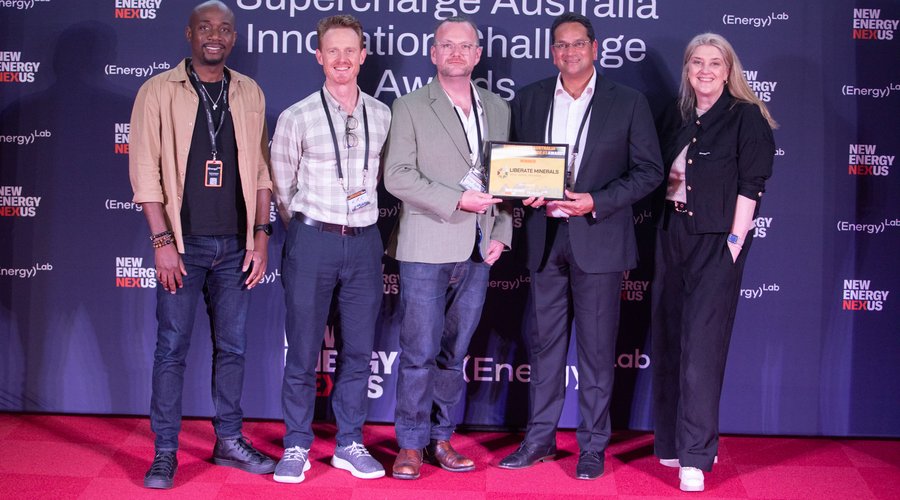
CEO and MD Richard Simons is redefining critical and rare-earth minerals recovery with a low-emissions, fluorine-based process that boosts yields and cuts energy use.
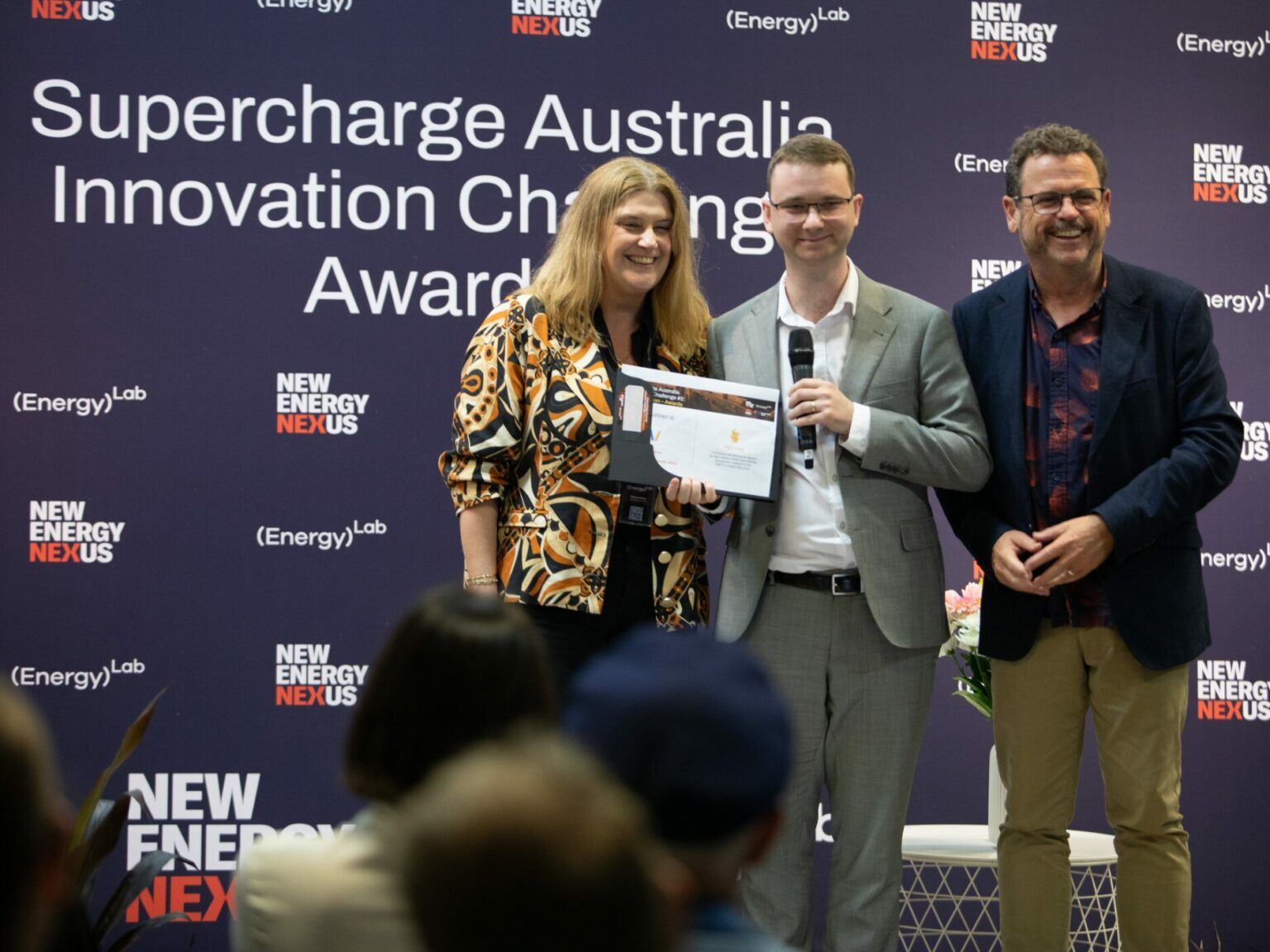
Founder Kyle Van Berendonck is making EV conversions as simple as an engine swap with a plug-and-play control system.

Revolutionizing battery recycling with tech that recovers 95% of materials at lower cost, making LFP recycling viable in Australia.
