
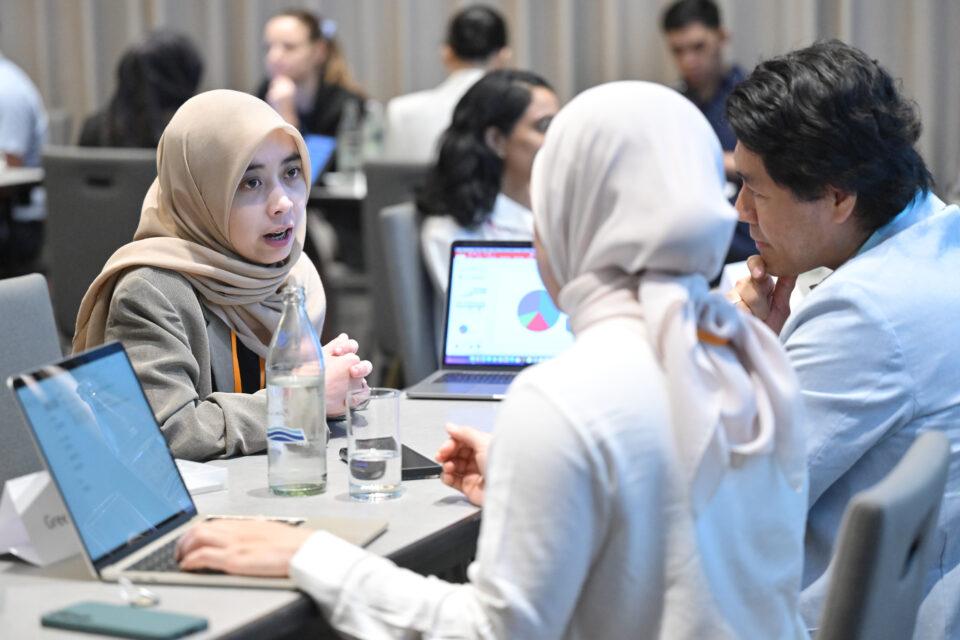
At a time when climate investment is accelerating across Southeast Asia, a critical question remains unresolved: why does so little of that capital reach women-led businesses?
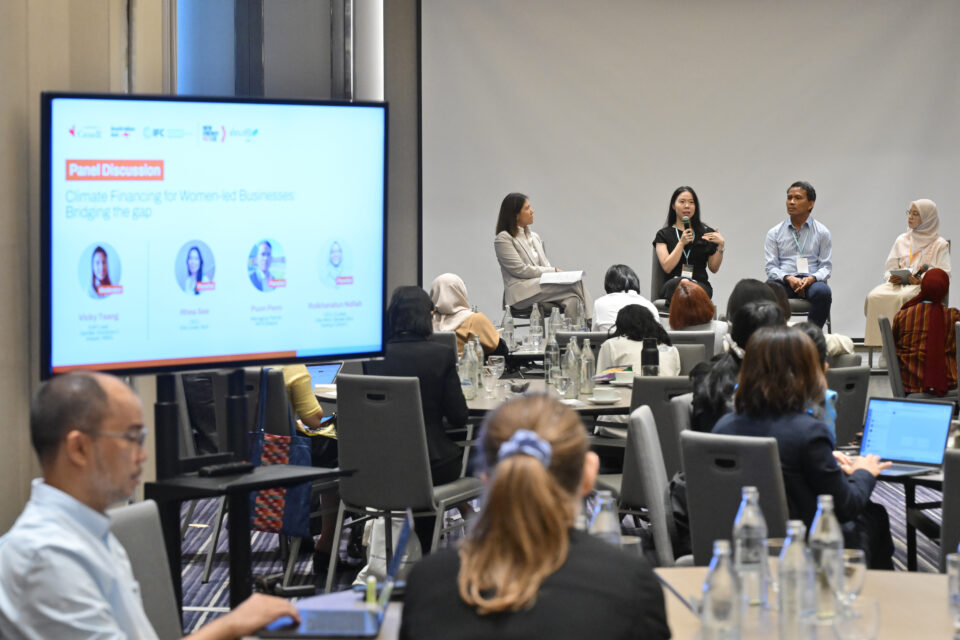
This question sat at the center of the panel discussion “Climate Financing for Women-led Businesses: Bridging the Gap,” moderated by Vicky Tsang, EAP Lead for Gender, Solutions & Impact at the World Bank Group. Bringing together investors and founders, the discussion unpacked not just the barriers to financing but also the structural patterns shaping how capital is allocated.
A pipeline exists, but it is not evaluated equally
For many in the room, the assumption that women-led startups lack scale or readiness no longer holds. Instead, attention is shifting toward the decision-making process within investment ecosystems.
Puon Penn, Managing Partner at NEXCatalyst, highlighted how bias can quietly shape outcomes during fundraising.
“Men-led startups are often asked about opportunity and returns, while women founders are asked about risks and downsides. That difference shapes outcomes, from valuation to capital allocation,” said Puon Penn, Managing Partner at NEXCatalyst,.
This dynamic, he noted, has tangible consequences. It influences how founders are perceived, how risk is priced, and ultimately, how much capital they receive.
At the same time, the data tells a different story about performance.
“Women-led startups often demonstrate stronger capital efficiency and reach revenue milestones earlier. From an investment perspective, this is about better risk-return,” he added.
For ecosystem builders and investors, this presents a clear misalignment between perception and reality.
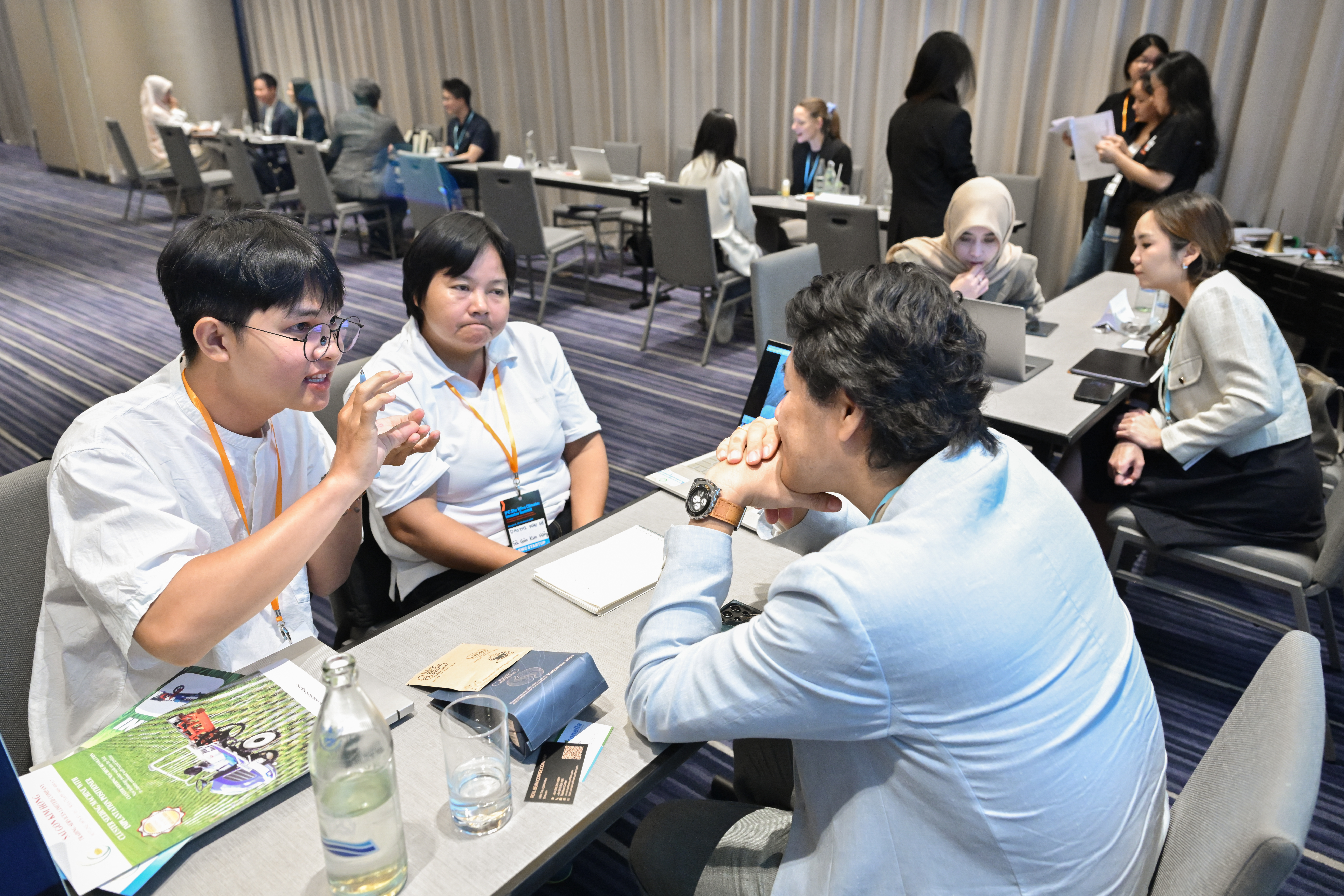
Early-stage investment is a bet on solutions
While structural bias plays a role, the panel also emphasized that founders must be prepared to meet investors with clarity and conviction.
Rhea See, CEO of She Loves Tech, pointed to a common gap in how founders approach fundraising.
“Founders tend to focus on the ‘what’, the product or solution. But investors are looking for the ‘why’; why this business, why now, and why you,” said Rhea See, CEO of She Loves Tech.
That distinction becomes even more important at an early stage, where data is limited and execution risk is high. In these contexts, investors are ultimately backing the founder.
“At an early stage, your business plan is still theoretical. What investors are really assessing is your ability to execute and navigate uncertainty,” She said.
For founders, this shifts the emphasis from presenting a perfect plan to demonstrating credibility, resilience, and a deep understanding of their market.
Reframing the founder-investor relationship
The discussion also addressed a more nuanced challenge: hesitation among founders to engage with investors, particularly when it comes to giving up equity.
Rather than dismissing this concern, the panel encouraged founders to approach fundraising with greater intentionality.
“The first question founders should ask is: Why am I raising capital? It should not be a default decision,” said Rhea See, CEO of She Loves Tech.
She also emphasized that fundraising is not a one-sided process.
“It is a two-way relationship. Founders are also choosing their investors, and alignment matters just as much as capital.”
Roikhanatun Nafiah, CEO of Crustea and a founder from the She Wins Climate cohort, reinforced this from a founder’s perspective.
“The right investor is not just a source of funding. It is a long-term partner aligned with your vision and growth,” said Nafiah.
She highlighted the importance of understanding the value of equity, building credibility over time, and ensuring that partnerships support both impact and business sustainability.
Toward a more effective financing ecosystem
The panel closed with a shared recognition that progress requires action on both sides of the market.
For investors, this means re-examining how opportunities are assessed and ensuring that bias does not limit access to high-performing ventures.
“We need more investments into women-led startups,” See said.
There is no shortage of conversations about supporting women-led businesses. What is still inconsistent is follow-through .
The founders are building. The data is increasingly clear. The opportunity is visible. At some point, the gap stops being about awareness and starts being about choice.
Find out more about the She Wins Climate Southeast Asia Accelerator here.