
As 2025 comes to a close, these highlights show how entrepreneurs backed by New Energy Nexus Thailand are shaping Thailand’s clean energy future, and what’s next.
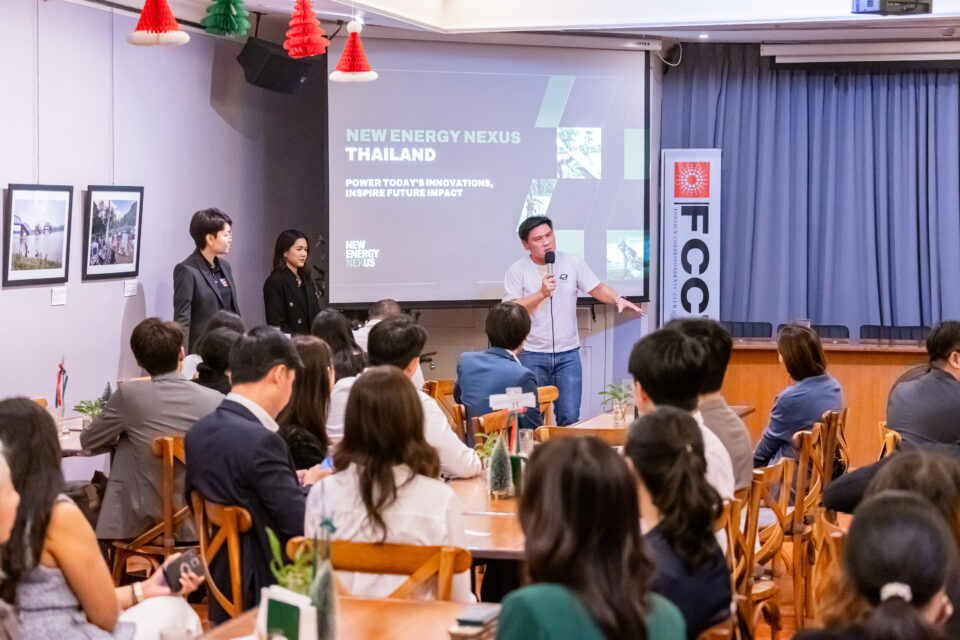
NEX Thailand Gratitude Dinner
Turning climate research into real impact
Thailand’s research community is full of untapped climate innovation. Through Climate Tech Lab to Market, the country’s first climate tech commercialization program, researchers transformed decarbonization-focused research into startups ready to scale.
Over 12 weeks, the inaugural cohort engaged customers, stress-tested assumptions, refined value propositions, and connected with corporates, investors, and venture builders locally and internationally.
By the time the cohort took the stage at Demo Day, they now had market-ready solutions spanning clean energy, industrial decarbonization and carbon capture, green buildings, sustainable mobility, and circular economy. Plus, they’re now part of the New Energy Nexus portfolio with clearer commercialization pathways and stronger networks.
If this year is any indication, Thailand’s climate tech space has a ton of potential, especially as the country’s net-zero goals become more urgent. What existing and aspiring founders need is structured support to bridge the gap from idea to impact.

GBI ConNEX event
Advancing green buildings from pilots to market readiness
In 2025, the Green Building Initiative (GBI) focused on groundwork rather than scale, and that proved to be its strength. By bringing building owners, climate tech startups, and ecosystem partners into the same conversation early, GBI helped move green building solutions closer to deployment.
In its initial phase, the initiative secured commitments from three buildings to engage in upcoming pilot collaborations with startups from the NEX Thailand network. This established a clear proof-of-concept pipeline and signaled strong market readiness for green building technologies in Thailand.
Then, the first GBI ConNEX event brought public and private stakeholders together to unpack structural barriers, policy gaps, and market opportunities. Those discussions are now being shaped into practical policy recommendations to support future collaboration with government agencies and partners.
The insight here was not about speed, but alignment. When demand, technology, and policy conversations start together, climate solutions face fewer roadblocks down the line.
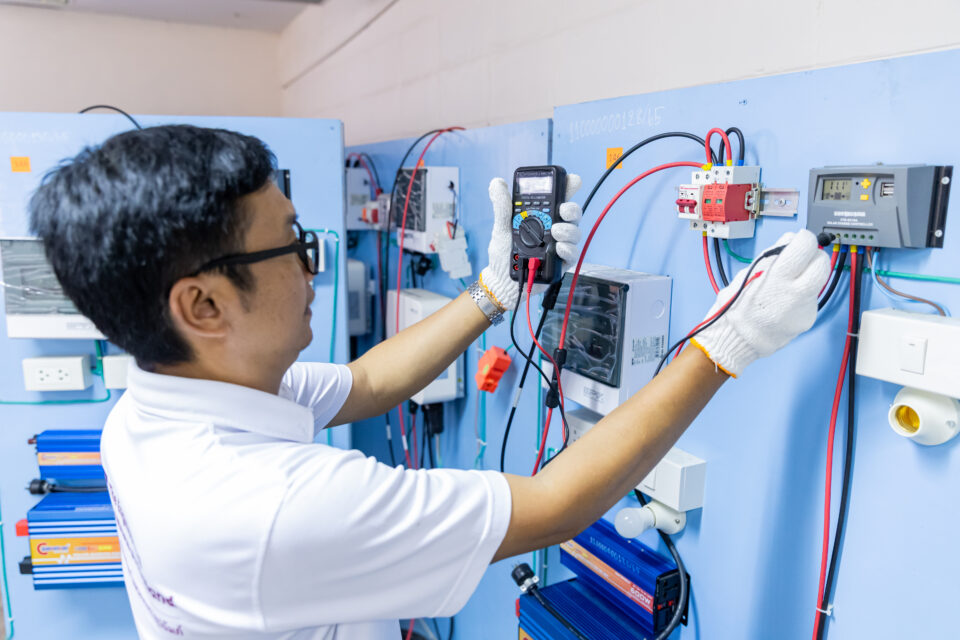
SolarSTEP 2025
Building a skilled workforce for Thailand’s solar future
Thailand’s energy transition will only move as fast as the people driving it. This is why our SolarSTEP program is making sure the workforce at the core of this shift is up to the challenge.
Through trainings delivered with regional partners, the program equipped solar entrepreneurs and technicians with both technical expertise and business know-how. It also reinforced a critical truth. Inclusion strengthens the energy transition.
This year, SolarSTEP also marked a major milestone: the national approval of its Solar Entrepreneurship Curriculum by the Department of Skill Development under the Ministry of Labour. This formal recognition strengthened the country’s green workforce framework and sent a clear signal that clean energy skills matter.
Our takeaway? Investing in skills, leadership, and inclusion is not optional. It is essential infrastructure for a resilient clean energy sector.
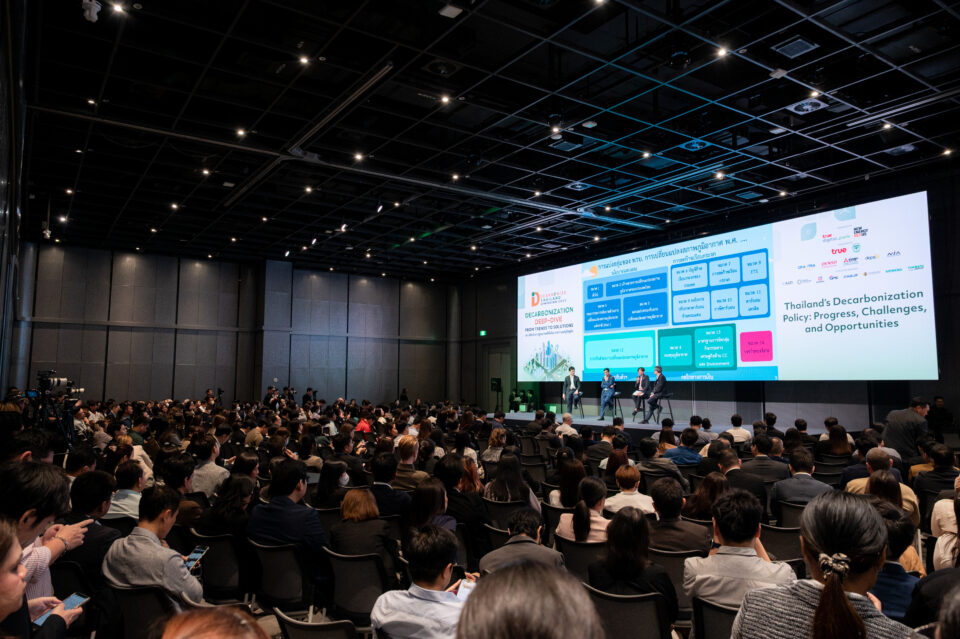
Decarbonize Thailand Symposium: Decarbonization Deep-Dive From Trends to Solutions
Connecting startups, corporates, and capital to decarbonize Thailand
This year’s Decarbonize Thailand Symposium was our biggest one yet. Over 30 climate tech startups showed up alongside corporates, investors, policymakers, and ecosystem partners, creating space for real conversations about deployment, pilots, and partnerships.
From geothermal energy and AI-powered energy management to circular battery materials, biochar, cooling technologies, and sustainable transport, the solutions on display reflected the breadth of Thailand’s innovation pipeline. The focus was not abstract net-zero goals, but practical use cases, measurable savings, and realistic pathways to scale.
While large-scale deployment is still unfolding, the symposium succeeded in its core purpose: aligning innovation with market demand and reinforcing startups’ role as key actors in Thailand’s decarbonization journey.
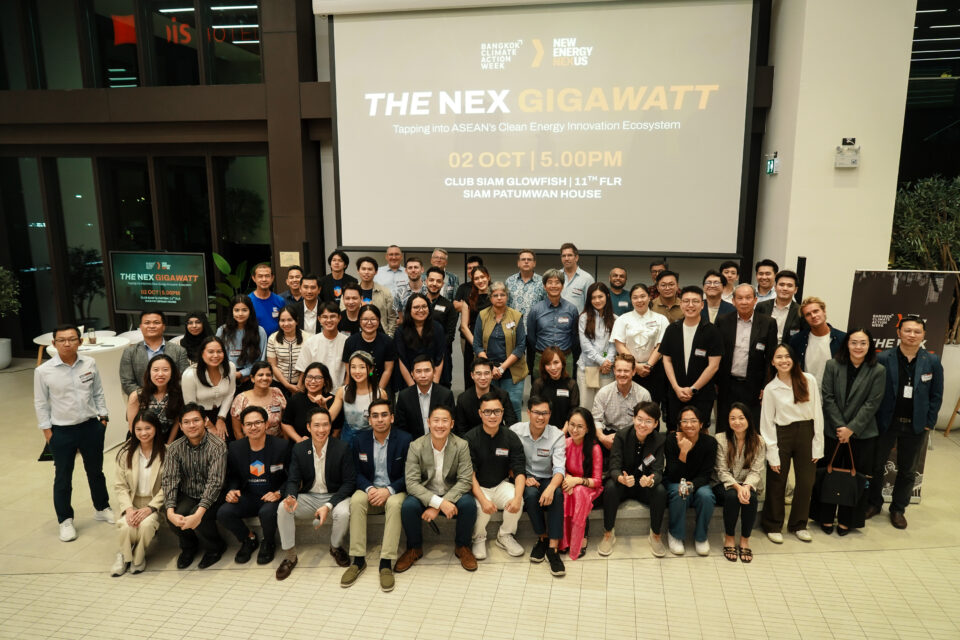
The NEX Gigawatt—a NEX-hosted gathering at the Bangkok Climate Action Week
Driving cross-border collaboration for climate impact
The first-ever Bangkok Climate Action Week positioned Thailand as a regional convenor for climate and clean energy collaboration – and it was an opportunity we couldn’t miss.
At three events we co-hosted and organized, we brought together entrepreneurs, investors, and leaders from across Asia to exchange insights, showcase solutions, and explore partnerships beyond borders.
For Thai founders, this mattered. Cross-border dialogue opened new pathways to scale, learn from neighboring markets, and apply solutions in diverse contexts. For both the local ecosystem and the wider region, it showcased Thailand as a hub for Asia’s clean energy transition.
What we learned this year
Looking back, 2025 was not about a single breakthrough, nor about a finished story. It was about building momentum through relationships, trust, and consistent support for entrepreneurs willing to take risks.
As Jirapat Horesaengchai, Country Manager at New Energy Nexus Thailand until October 2025, put it:
“The role of New Energy Nexus Thailand is to facilitate the whole process of different stakeholders coming together… and grow the ecosystem for clean energy entrepreneurs.”
By backing entrepreneurs with capital, skills, and connections, and by strengthening the ecosystems around them, New Energy Nexus Thailand is helping shape a cleaner, more sustainable future that benefits the country economically and ecologically. That is what we set out to do this year, and what we’ll continue to do through 2026 and beyond.
Want to be part of it? Explore our programs and stay close to opportunities shaping Thailand’s clean energy future.