News
California
Renewable energy tech
CalSEED Cohort 7 Prototype Awards announcement
Media contacts:

About New Energy Nexus

New Energy Nexus (NEX) is the world’s leading clean energy ecosystem builder, working toward a 100% clean energy economy for 100% of the population. It does this with a laser focus on diverse entrepreneurs, supporting them with accelerators, funds, skills, and building the local and global connections they need to thrive. NEX has accelerated 1,700+ startups and businesses, empowered over 11,500+ entrepreneurs, and mobilized more than US$5.4 billion in investment.

Since its founding in California in 2004, NEX now operates programs or services in Australia, China, India, Japan, Indonesia, Nigeria, Pakistan, the Philippines, South Korea, Thailand, Uganda, the USA (California and New York), and Vietnam.

Follow NEX on LinkedIn, X, Facebook, and YouTube

News
Philippines
Renewable energy tech
Stronger PH-China collaboration can support Philippine renewable energy ambition amid rising energy costs – new report
pacs report

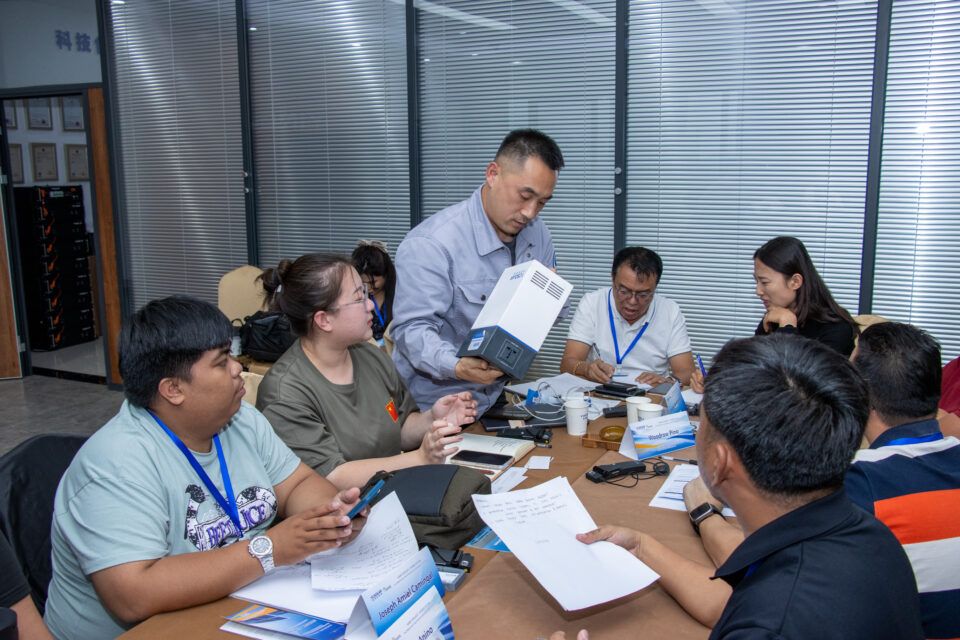
The Solar Photovoltaic (PV) Workshop, organized by New Energy Nexus in partnership with the People of Asia for Climate Solutions (PACS).

16 April 2026, Manila, Philippines — A new joint study by People of Asia for Climate Solutions (PACS) and New Energy Nexus highlights that stronger collaboration between the Philippines and China can accelerate renewable energy deployment in the Philippines and achieve its clean energy ambitions, while creating shared economic and technological benefits for both countries.

The report, Bridging Opportunities: A Roadmap for China–Philippines Renewable Energy Cooperation, identifies strategic pathways toward long-term cooperation that foster mutually beneficial partnerships between Chinese and Philippine stakeholders, support entrepreneurs, and expand access to affordable clean energy.

The report comes at a critical time as the Philippines targets 35% renewable energy by 2030 and 50% by 2040, while fossil fuels still account for roughly 78% of the energy mix. This transition has become more urgent amid the ongoing fossil fuel crisis affecting the country, which imports 98 percent of its crude oil from the Middle East, according to the Department of Energy. Continued reliance on imported fossil fuels exposes the Philippines to volatile global prices and supply disruptions.

“Today’s oil crisis is a reminder that the Philippines remains highly exposed to global fuel shocks. What this report shows is that the solution is already within reach. Scaling local solar and backing Filipino entrepreneurs to deliver it. With the right partnerships, we can accelerate deployment while building domestic capability, jobs, and more affordable energy for households and businesses,” says Brenda Valerio, Country Director at New Energy Nexus Philippines.

While diplomatic ties between the Philippines and China span five decades, collaboration in renewable energy remains limited. The study finds that the opportunity is not simply in increasing capital flows, but in structuring partnerships that drive shared growth, including joint ventures, local manufacturing partnerships, knowledge transfer, and technical capacity development that anchor value within the Philippines.

Chinese renewable energy companies bring extensive experience in technology, manufacturing, and large-scale deployment. The study finds that collaboration should expand to distributed and community-based solutions such as rooftop solar and microgrids, which can be deployed faster and help address grid constraints.

“This can be a perfect match. The Philippines has rich renewable resources and urgent needs, while China has strong capacity and readiness. Together, we can deliver clean, safe, and affordable electricity for Filipino communities,” says PACS Executive Director Xiaojun Wang. “The longer we hesitate, the more we lose.”

The report shows that implementation challenges persist, particularly in areas such as grid integration, financing access for smaller players, permitting processes, and technical standardization, issues that affect both large developers and small enterprises.

The report identifies six priority pathways for collaboration, including rooftop solar expansion, off-grid solutions for remote communities, emerging technologies, EV–solar integration, technical capacity development, and circular economy initiatives. It also calls for closer collaboration between government, local developers, financiers, and Chinese suppliers to streamline permitting, improve financing access, and strengthen technical standards. Such collaboration can also support regional expansion opportunities through joint ventures and innovation partnerships that build long-term regional value.

The findings are based on surveys and interviews with more than 50 renewable energy developers, entrepreneurs, and industry experts from both countries.

As the Philippines works toward increasing the share of renewables in its energy mix, the report argues that collaboration, when designed to empower local innovators and diversify supply chains, can accelerate progress while ensuring that economic value and expertise are built domestically.

Read and download the full report here.


About People of Asia for Climate Solutions

People of Asia for Climate Solutions (PACS) is dedicated to advancing people-centered climate solutions. We create narratives, build new networks, and establish innovative platforms where different puzzle pieces come together into the vision. Our organization operates through both a China-based team and a Philippines-based team, working to build bridges and strengthen communication between China and climate-vulnerable countries on climate change mitigation and adaptation.

Media contacts:

Leovy Ramirez (she/her)
Communications Officer
People of Asia for Climate Solutions
leovyramirez@greenpacs.org.cn
+639156618382

Dayther Manubag
Philippines Communication Lead
New Energy Nexus
dayther.manubag@newenergynexus.com
+9559149902

About New Energy Nexus

New Energy Nexus (NEX) is the world’s leading clean energy ecosystem builder, working toward a 100% clean energy economy for 100% of the population. It does this with a laser focus on diverse entrepreneurs, supporting them with accelerators, funds, skills, and building the local and global connections they need to thrive. NEX has accelerated 1,700+ startups and businesses, empowered over 11,500+ entrepreneurs, and mobilized more than US$5.4 billion in investment.

Since its founding in California in 2004, NEX now operates programs or services in Australia, China, India, Japan, Indonesia, Nigeria, Pakistan, the Philippines, South Korea, Thailand, Uganda, the USA (California and New York), and Vietnam.

Follow NEX on LinkedIn, X, Facebook, and YouTube

News
Pakistan
Renewable energy tech
11 climate startups signal a new wave of clean tech solutions at CLIP’s inaugural Demo Day

Islamabad, 15th April 2026: Pakistan’s climate and energy challenges are intensifying, from rising costs and energy security concerns to unreliable access and pressure to decarbonize. At the same time, the ecosystem to address these challenges remains underdeveloped, with early-stage startups lacking structured support, gaps in skills development, and limited data for informed policymaking.

Against this backdrop, Climate Innovation Pakistan (CLIP) is a joint national platform fostering climate and clean energy innovation, by Renewables First and New Energy Nexus. CLIP brings global expertise and local context together to strengthen Pakistan’s transition toward a low-carbon, climate-resilient future by supporting and connecting founders, investors, industry, and policymakers.

One of the core programs of CLIP is its Incubator, a 12-week program designed for high-potential startups beyond the MVP stage. The incubator provides capacity building, tailored mentorship, investor access, regulatory guidance, and strategic support, while embedding founders within a global network of climate innovators. Unlike traditional entrepreneurship programs, CLIP takes a market-first approach, pushing startups to prove whether their solutions work in Pakistan technically, financially, and at scale.

The inaugural cohort was showcased at CLIP Demo Day in Islamabad, where eleven startups presented solutions built for Pakistan’s climate realities. Over the 12-week journey, founders moved through validation, pilot testing, business model refinement, and investor readiness, translating early-stage ideas into investable ventures.

The cohort reflects the breadth of Pakistan’s climate challenges, spanning energy, mobility, water systems, agriculture, and climate intelligence. In clean mobility, PakPlug is building an “Airbnb for EV charging,” enabling private charger owners to monetize unused infrastructure and targeting 200 users in its first three months. In climate intelligence, Nimbus Labs is deploying AI-powered forecasting tools to improve access to reliable weather data for climate-sensitive sectors. Pani Express is rethinking urban water delivery through smart logistics and IoT-enabled systems, while Recycle Bin, founded by Adeela Ali, secured a PKR 3 million investment during the program, validating both its model and market potential.

Several other startups are advancing toward pilots, partnerships, and early commercialization, reflecting growing traction across the cohort.

The Demo Day also highlighted a broader shift underway in Pakistan’s energy transition, driven by rapid solar adoption, emerging EV solutions, and rising climate awareness. Yet it underscored a critical gap: while transition is accelerating, the innovation pipeline needed to sustain it is still in its early stages.

CLIP is working to change that, building a structured pathway from idea to investment and laying the foundations of a climate innovation ecosystem in Pakistan. The eleven startups showcased are not just individual ventures, but early signals of what a scalable, homegrown climate tech pipeline could look like.

Alongside the startup showcase, Demo Day also marked the graduation of trainees from the New Energy Skills (NES) programme, a parallel initiative preparing Pakistan’s workforce for the next phase of the energy transition. As solar adoption surges, NES is focused on building the human capital needed for battery systems, grid modernisation, and storage technologies areas that will define the next decade of clean energy.

About Renewables First

Renewables First (RF) is a think-and-do tank for energy and the environment. RF’s work addresses critical energy and natural resource issues with the aim of making energy and climate transitions just and inclusive through impactful research, advocacy, and strategic partnerships. Read more at: www.renewablesfirst.org

About CLIP

Climate Innovation Pakistan (CLIP) is a joint initiative of New Energy Nexus (NEX) Pakistan and Renewables First, designed to identify, support, and scale the most promising climate tech ventures in Pakistan.

CLIP operates on the premise that innovation and implementation must develop together. By connecting early-stage climate startups with mentorship, networks, capital access, and market linkages, CLIP is building the integrated ecosystem that Pakistan’s climate tech sector needs.

Media contacts:

Sidra Amin, Pakistan Program Manager
sidra.amin@newenergynexus.com 

About New Energy Nexus

New Energy Nexus (NEX) is the world’s leading clean energy ecosystem builder, working toward a 100% clean energy economy for 100% of the population. It does this with a laser focus on diverse entrepreneurs, supporting them with accelerators, funds, skills, and building the local and global connections they need to thrive. NEX has accelerated 1,700+ startups and businesses, empowered over 11,500+ entrepreneurs, and mobilized more than US$5.4 billion in investment.

Since its founding in California in 2004, NEX now operates programs or services in Australia, China, India, Japan, Indonesia, Nigeria, Pakistan, the Philippines, South Korea, Thailand, Uganda, the USA (California and New York), and Vietnam.

Follow NEX on LinkedIn, X, Facebook, and YouTube

News
Australia
Renewable energy tech
California’s pioneering clean energy testing program lands in Australia

Sydney, Australia, 9 March 2026 – A program that has helped California clean energy startups collectively raise over half a billion dollars in follow-on investment is coming to Australia. New Energy Nexus and EnergyLab today announced the launch of the AusTestBed pilot: a first-of-its-kind, non-matching grant that gives Australian clean energy entrepreneurs free access to university testing facilities to validate their technologies and move closer to commercial deployment.

The launch has brought California Energy Commission (CEC) Chair David Hochschild to Climate Action Week Sydney. He oversees the highly successful California model, CalTestBed, which AusTestBed is based on.

The pilot program, made possible by seed funding from Boundless Earth, will see three Australian startups each receive AUD$50,000 to test their clean energy technologies at Australian tertiary, government and private research institutions — at no cost to them, and with no requirement to find matched private investment, and no IP claims. Initial testbed partners include TRaCE (a partnership between UNSW and the University of Newcastle), which will provide access to testbed facilities, alongside the University of Melbourne. The three battery and energy storage startups are: Powerblocks, Adoxima, and Carbophite.

The announcement is being made at Climate Action Week Sydney, where California Energy Commission Chair David Hochschild is in Australia as a keynote speaker. Hochschild, who Governor Gavin Newsom appointed as Chair of the CEC in 2019 and reconfirmed to a third term in 2024, oversees the EPIC program – the California ratepayer-funded research and development initiative that gave birth to CalTestBed and CalSEED.

Under his leadership, California has become the largest economy in the world to be powered by two-thirds clean energy, adding a record 7,000 megawatts of clean energy capacity to the grid in 2024 alone. California’s grid now runs on 100% clean electricity for an average of five hours a day, and the state’s battery storage fleet has grown 1,944% since 2019. California is also the world’s leading hub for clean energy innovation and investment, home to more clean energy jobs than any other US state and widely regarded as the global benchmark for clean energy policy and deployment.

“California didn’t become a global clean energy leader by accident. It happened because we deliberately invested in the innovation pipeline, not just policies and targets. We built public infrastructure and developed programs that got money to entrepreneurs at key moments when private capital wasn’t yet activated. It’s exciting to see the launch of AusTestBed, which will offer Australia that same clean energy innovation leverage,” said David Hochschild, Chair, California Energy Commission.

AusTestBed is modeled directly on CalTestBed, a voucher program administered by New Energy Nexus California on behalf of the CEC since 2019. CalTestBed has to date supported 64 clean energy companies and distributed more than US$16.5 million (AUD$23.28 million) in testing vouchers across more than 70 University of California and national laboratory facilities.

The companies that have gone through the program have collectively raised an estimated US$438 million (AU$617.9 million) in follow-on private investment since participating — a figure that reflects the commercial momentum that third-party testing validation unlocks for startups seeking to attract serious capital. The program has helped companies advance an average of 1.6 Technology Readiness Levels (TRL) through participation — a meaningful jump on the internationally recognized scale that runs from basic concept (TRL 1) to fully commercial deployment (TRL 9), and one that can determine whether a technology attracts investment or stalls entirely.

The opportunity in Australia is huge. The country has committed over AU$70 billion to decarbonising Australia’s economy over the coming decades and it has world-class university research infrastructure. However, Australia’s early-stage funding programs usually require matched private investment, creating a structural bottleneck – one that the CalTestBed program was specifically designed to remove in California. The Investor Group on Climate Change has explicitly identified this bottleneck: 61% of institutional investors cite a lack of investment-ready opportunities as a reason for staying on the sidelines.

“We’ve watched California prove, over five years, that removing the match requirement and giving startups access to world-class testing infrastructure is one of the most effective things a government or philanthropic funder can do to accelerate commercialization of clean energy startups. Australia has the research assets. It has the startups. AusTestBed is what connects them,” said Andrew Chang, CEO, New Energy Nexus.

“One of the biggest hurdles for Australian startups is the ‘validation gap’ — the distance between a prototype and the independent data required to secure investment. AusTestBed bridges this by providing the third-party proof and de-risking that founders need to move toward commercial deployment at scale,” said Megan Fisher, CEO, EnergyLab.

New Energy Nexus and EnergyLab are calling on the Australian federal government to fund a full national rollout of AusTestBed. Expanding access to non-matching early-stage funding is a key lever to accelerate systemic progress in Australia.

Notes:

[1] Startups that have participated in New Energy Nexus’ CalTestBed program have secured US$438 million or AUD$617.9 million in follow-on funding.

Quote sheet:

David Hochschild | Chair, California Energy Commission

“California didn’t become a global clean energy leader by accident. It happened because we built deliberate public infrastructure around the innovation pipeline — not just policies and targets, but programs that actually got money to entrepreneurs at the stages where private capital wouldn’t go. EPIC is one part of that story — ratepayer-funded R&D program that has expedited movement of clean energy technologies toward the market. California is now more than two-thirds powered by clean energy, our battery storage fleet has grown nearly 2,000% in six years, and the companies that went through CalTestBed alone have collectively raised nearly half a billion dollars in follow-on private investment.

When government acts as the first and most patient risk-taker – removing the need for startups to find a private match before they can prove their science – it changes the development trajectory completely. Australia has the science, the universities, and the policy ambition. What AusTestBed offers is the structural mechanism to turn that ambition into a pipeline of commercially validated technologies that investors can actually back. I’m proud to be here for its launch.”


Andrew Chang | CEO, New Energy Nexus

“New Energy Nexus has spent 21 years working out what actually moves clean energy entrepreneurs from concept to market — across California, China, Southeast Asia, and now Australia. The answer is rarely more complexity. It’s usually simpler: reduce the friction at the moments that matter most.

For hardware startups, the moment that matters most is when you have a working prototype and need to prove it performs. That’s where the testing bottleneck sits. That’s where CalTestBed intervenes in California, and that’s what AusTestBed is designed to do here.

The pilot we’re launching today is small by design — three startups, three vouchers, one clear question: does the model translate? We already know the answer from five years of evidence in California, but a pilot is how you build the institutional confidence to fund it properly. We’re grateful to Boundless Earth for backing that first step, and we’re calling on Australia’s federal government to back the next one.”


Megan Fisher | CEO, EnergyLab

“EnergyLab works with Australian clean energy startups every day, and the conversation we have most often is about the gap between what a founder has built and what an investor needs to see before they’ll commit. It’s not a confidence gap. It’s a validation gap. Founders have prototypes. They have the science. What they don’t have is the independent, third-party testing data that turns a compelling pitch into a fundable opportunity.

That gap exists because accessing Australia’s world-class research infrastructure as an early-stage startup is genuinely difficult. The facilities are there. The expertise is there. But the pathway in — the admin, the cost, the negotiation — is not designed for a team of three people trying to commercialise a new battery chemistry or an industrial heat solution.

AusTestBed removes that barrier entirely. No cost to the startup. No equity. No matched funding requirement. Just access to the facilities they need, at the moment they need them, with the backing of a program that has already proven it works at scale in California. For Australian deep tech founders, this is genuinely new. And it’s long overdue.”


Kristin Vaughan | Managing Partner,  Virescent Ventures

“Companies that come out of programs like CalTestBed are categorically easier to fund. They arrive with data from credible, independent facilities. They’ve already iterated on the back of that testing. And they have a clearer picture of where their technology performs and where it doesn’t  – which is exactly the kind of honesty that builds investor confidence. AusTestBed brings that same de-risking infrastructure to Australia to enable far more rapid funding and scaling of urgently needed clean energy deep tech solutions.”


Kris Collopy | CEO, Adoxima

“The AusTestBed program provides Adoxima with access to the funding and facilities required to further develop and strengthen our core IP. Over the next six months, we expect to generate the critical data needed to confidently move upstream into multiple high-value markets.”


Gabriella Nunes | Director, Research & Commercialisation, TRaCE (a collaborative partnership between UNSW and University of Newcastle)

“Our labs were built for research, but research doesn’t end at the journal article – it ends when the technology reaches the people who need it. AusTestBed and similar models run under the TraCE program, such as our R&D Vouchers, creates a direct pathway between our facilities and the startups that are closest to making that happen. It brings real-world commercial problems into our labs and creates exactly the kind of applied collaboration that startups are after and universities are increasingly expected to deliver.”


About EnergyLab

EnergyLab is Australia’s largest climate tech startup accelerator and innovation network, backing founders who are building the technologies that will accelerate the transition to net zero. With more than 300 startup alumni, EnergyLab connects entrepreneurs with the mentors, partners, and investors they need to grow and scale. Each year, EnergyLab delivers ten programs that support founders at every stage of development – from ideation and launch to global expansion – helping position Australia as a leader in clean energy and climate innovation.

Media contacts:

Tristan Tremschnig, Chief Communications Officer, New Energy Nexus, tristan.tremschnig@newenergynexus.com

About New Energy Nexus

New Energy Nexus (NEX) is the world’s leading clean energy ecosystem builder, working toward a 100% clean energy economy for 100% of the population. It does this with a laser focus on diverse entrepreneurs, supporting them with accelerators, funds, skills, and building the local and global connections they need to thrive. NEX has accelerated 1,700+ startups and businesses, empowered over 11,500+ entrepreneurs, and mobilized more than US$5.4 billion in investment.

Since its founding in California in 2004, NEX now operates programs or services in Australia, China, India, Japan, Indonesia, Nigeria, Pakistan, the Philippines, South Korea, Thailand, Uganda, the USA (California and New York), and Vietnam.

Follow NEX on LinkedIn, X, Facebook, and YouTube

News
Philippines
Renewable energy tech
New program launched to strengthen solar training across the Philippines

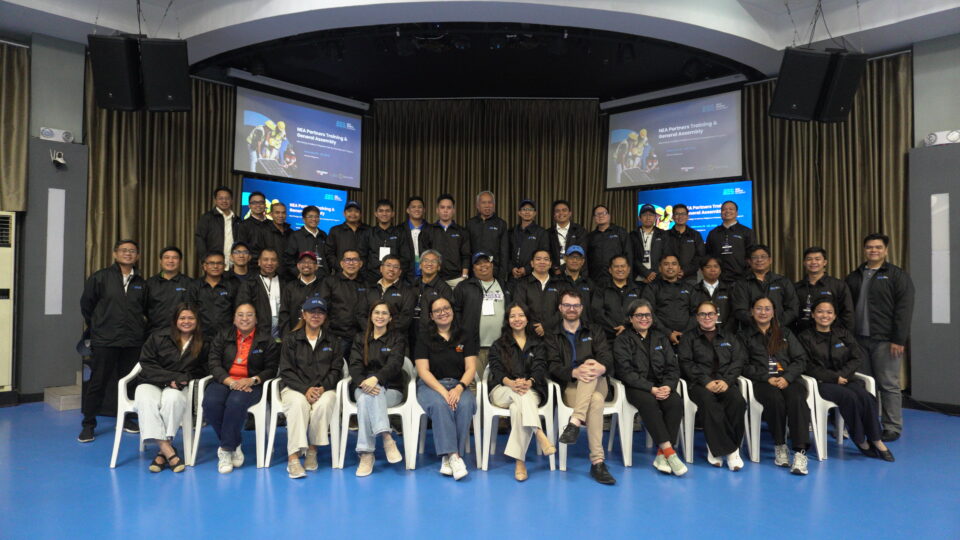
Manila, Philippines – As the Philippines accelerates its transition toward clean energy, the demand for skilled solar professionals continues to rise. Recognizing the critical role of local training partners in building this workforce, New Energy Academy (NEA), a program of New Energy Nexus, has officially launched the Training Partners Development Program (TPDP) in the Philippines.

Twenty three (23) NEA training partners gathered during the TPDP event together with representatives from GSES Australia.

The initiative ensures that its partners remain at the forefront of industry innovation, instructional excellence, and sustainable business growth. It focuses on three core pillars:

  • Strengthening training effectiveness and instructional design
  • Deepening technical expertise in emerging solar technologies
  • Enhancing business development capacity with an emphasis on inclusive growth

Rather than being a one-time training event, the TPDP represents NEA’s commitment to continuous learning and long-term capacity building within the solar sector.

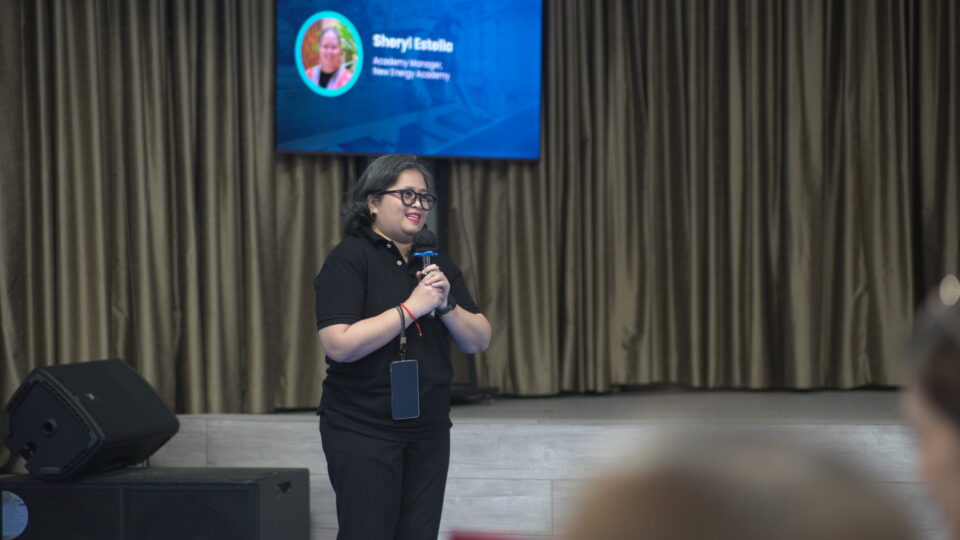
Ms. Sheryl Estella [NEA Academy Manager] shares the objectives of the two-day TPDP event.

“We [New Energy Academy] are here to grow alongside you, to invest in you, and to build something lasting together. The work we do is not just technical. It is transformational. Behind every training we deliver with you is a Filipino worker gaining a skill, a livelihood, and a future in clean energy,” said Sheryl Estella, Philippines Academy Manager of New Energy Academy.

A stronger solar training network

In an industry shaped by rapid technological change, continuous upskilling is no longer optional. It is essential.

A key outcome of the program is the formalization of the NEA Training Partners Network. It is a platform that brings together local solar companies, facilitating hands-on training across the country. The network aims to standardize training quality, encourage innovation in delivery methods, and strengthen the collective impact of NEA’s partners.

For many participants, the value of the program lies not only in technical knowledge but in the relationships built.

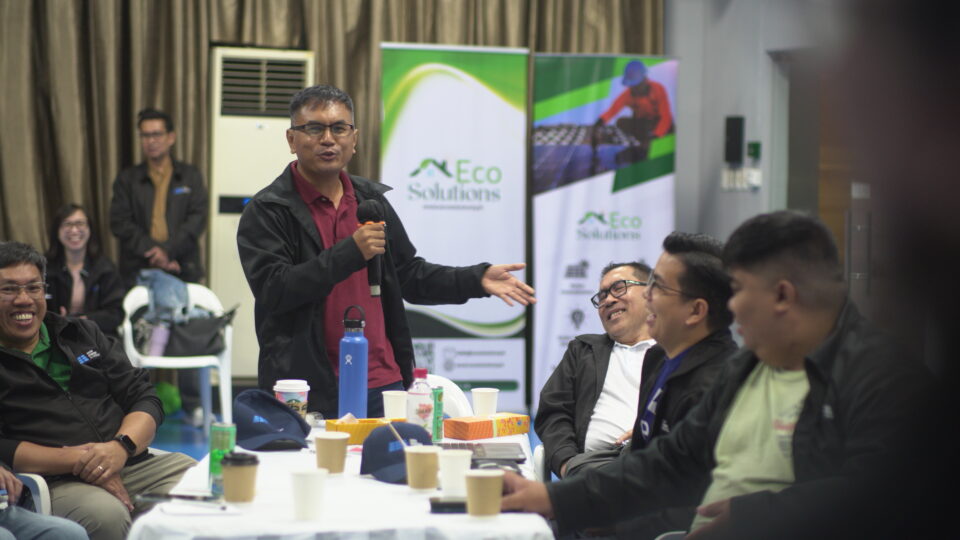
Mr. Rowellson Paras from Sonnelink Greenbuilders, shares his experience as a new NEA training partner.

“Maganda ang goal ng NEA to ensure that solar installers and EPCs are trained properly, because we are really the ones on the ground advancing the solar industry in the Philippines. In this industry, strong networks and partnerships are essential. If we want to last long-term, we need a solid foundation and collaboration.” said Mr. Rowellson Paras of Sonnelink Greenbuilder, one of NEA’s newest training partners.

Investing in training partners is investing in the future of the Philippine solar industry. The ripple effect is significant. Better-equipped trainers produce better-trained solar professionals, which ultimately supports stronger project implementation, improved system performance, and increased confidence in renewable energy adoption nationwide.

The TPDP is scheduled for full implementation from January to March 2026, combining in-person workshops, collaborative network-building sessions, and online learning components delivered through NEA’s digital platform.

As the clean energy transition gains momentum, New Energy Academy continues to champion a simple but powerful principle that sustainable growth begins with empowered people, and empowered partners. Find out how we can support your clean energy startup here.

New Energy Academy is a solar training institution dedicated to developing skilled professionals in the renewable energy sector. It was founded in collaboration with New Energy Nexus, Global Sustainable Energy Solutions (GSES) and OpenSolar, as a response to the rapidly growing solar industry.

Media contacts:

Dayther Manubag, Communications Lead, New Energy Nexus Philippines dayther.manubag@newenergynexus.com (Based in Mandaluyong City)

About New Energy Nexus

New Energy Nexus (NEX) is the world’s leading clean energy ecosystem builder, working toward a 100% clean energy economy for 100% of the population. It does this with a laser focus on diverse entrepreneurs, supporting them with accelerators, funds, skills, and building the local and global connections they need to thrive. NEX has accelerated 1,700+ startups and businesses, empowered over 11,500+ entrepreneurs, and mobilized more than US$5.4 billion in investment.

Since its founding in California in 2004, NEX now operates programs or services in Australia, China, India, Japan, Indonesia, Nigeria, Pakistan, the Philippines, South Korea, Thailand, Uganda, the USA (California and New York), and Vietnam.

Follow NEX on LinkedIn, X, Facebook, and YouTube

News
Vietnam
Energy Finance
Vietnam’s climate tech VC share surges over 22% — nearly double the global average

Ho Chi Minh City, December 4, 2025 — Vietnam’s climate tech sector outpaced the world in 2024, capturing 22.3% of total VC activity in the country—nearly twice the global average (12%)—yet the surge was powered overwhelmingly by one mega-deal, underscoring both momentum and fragility in the country’s emerging climate innovation economy.

These findings come from the newly released Vietnam Climate Tech Funding Ecosystem 2025 report, jointly produced by New Energy Nexus Vietnam, RMIT University, and the AGILE Project.

A second major shift highlighted in the report is how new energy policies are quietly reshaping Vietnam’s investment map, triggering a fivefold surge in Energy Transition funding. The passage of the Law on Electricity 2024 and the Rooftop Solar Decree 135/2024 unlocked a wave of investment activity, pushing Energy Transition deals to US$15.5 million in 2024—five times higher than 2023. This marks one of the most significant policy-driven investment jumps in the sector’s history.

Between 2015 and 2024, 78 Vietnamese climate tech enterprises raised nearly US$205 million across 217 deals, with nearly US$100 million raised in 2024 alone. But the landscape is highly concentrated: 71% of climate tech funding in 2024 came from a single US$70 million Series A deal (from TECHCOOP), revealing a heavy reliance on landmark transactions rather than broad-based growth.

Other notable findings include:
  • Post-seed “graduation” for climate tech fell to 11.11%, compared to 32.2% for the wider tech sector.
  • Impact investors participation in Vietnam’s climate tech deals increased from one in 2020 to 10 in 2024, bringing stricter expectations around measurement, gender equity, and HSES standards.
  • Grants remained the dominant source of early-stage capital as domestic VC participation stayed limited.
  • Ho Chi Minh City continues to be the country’s primary funding hub, followed by Hanoi and Danang.

“When one mega-deal accounts for more than 70% of all VC funding, it tells us innovation exists, but the scaffolding around it is thin. Organisations like New Energy Nexus play a critical role in strengthening this scaffolding: supporting the building pipelines of investment-ready founders, widening access to grants and patient capital, and ensuring domestic investors gain the confidence and data they need to participate,” said Thao Tran, Country Director at New Energy Nexus Vietnam.

The report also introduces the first four-layer ecosystem map that clearly defines enterprises, financial providers, intermediaries, and government enablers—an important step toward clarifying “who does what” in Vietnam’s climate innovation system.

“As co-authors of this report, our team at RMIT aimed to provide in-depth insights into Vietnam’s climate tech funding ecosystem. Beyond supporting entrepreneurs and investors, we also hope these findings will be integrated into teaching, helping students understand real-world challenges and opportunities in the sector,” said Dr. Duy Dang, Associate Head of Research & Innovation at RMIT Vietnam.

Download the report here.


About New Energy Nexus Vietnam

New Energy Nexus Vietnam was launched in early 2019 with the mission of promoting Vietnam’s clean energy transition. We have supported over 550 entrepreneurs and engaged over 1,800 participants through our incubation, acceleration, and funding programs. With our backing, startups have generated US$1.6 million in grants.

By enhancing our strong bond with all the stakeholders in the network, we aim to further develop the energy ecosystem in support of a smooth transition to sustainable initiatives and build a pipeline of potential entrepreneurs.

About RMIT University

Founded in 1887, RMIT is a multi-sector university of technology, design and enterprise with more than 90,000 students and over 11,000 staff globally. RMIT provides students with a high-quality education, preparing them for life and work in a global economy. As the largest offshore campus in Asia, RMIT Vietnam has three locations: Ho Chi Minh City, Hanoi, and Danang. With over 12,000 students and 1,300 staff, the University has graduated nearly 25,500 alumni since 2000. The University is celebrating its 25th anniversary this year.

About AGILE Project

The Advancing Growth, Innovation & Leadership for Enterprises in Vietnam (AGILE) project is an initiative funded by Global Affairs Canada (GAC) and implemented by the World University Service of Canada (WUSC) and Sarona Asset Management. The project aims to contribute to the increased resilience among Vietnam’s climate-vulnerable populations by fostering a more inclusive and effective business ecosystem that supports the growth of Climate Enterprises (CEs), particularly those that are women-led or serve women. The project promotes systemic change by strengthening support from ecosystem actors, increasing investment, and deploying funds using a Gender Lens Investing (GLI) approach for CEs.

Media contacts:

Nhung Nguyen
Program & Impact Manager
New Energy Nexus Vietnam
nhung.nguyen@newenergynexus.com

About New Energy Nexus

New Energy Nexus (NEX) is the world’s leading clean energy ecosystem builder, working toward a 100% clean energy economy for 100% of the population. It does this with a laser focus on diverse entrepreneurs, supporting them with accelerators, funds, skills, and building the local and global connections they need to thrive. NEX has accelerated 1,700+ startups and businesses, empowered over 11,500+ entrepreneurs, and mobilized more than US$5.4 billion in investment.

Since its founding in California in 2004, NEX now operates programs or services in Australia, China, India, Japan, Indonesia, Nigeria, Pakistan, the Philippines, South Korea, Thailand, Uganda, the USA (California and New York), and Vietnam.

Follow NEX on LinkedIn, X, Facebook, and YouTube

News
Australia
Renewable energy tech
Liberate Minerals wins Supercharge Australia Innovation Challenge #3
newsblog thumbnail (3000 x 2250 px) (7)

Liberate Minerals wins Supercharge Australia Innovation Challenge #3.

Sydney, Australia, 21 November 2025 – Supercharge Australia today announced the winners of the Supercharge Australia Innovation Challenge #3, spotlighting breakthrough technologies shaping the future of Australia’s battery and electrification industries at its annual Awards event in Sydney, MC’d by presenter and science communicator, Lee Constable. The Challenge highlights innovative founders in the lithium battery value chain, advancing solutions across critical minerals, battery materials, energy systems and electrified transport for a fully renewables-powered industrial economy.

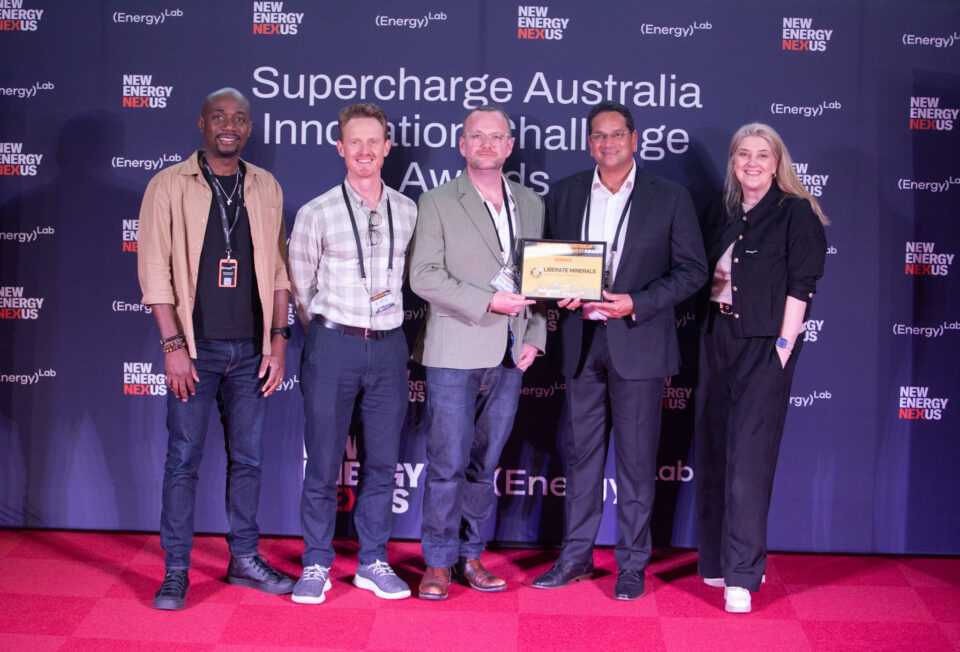
Liberate Minerals, an industry-redefining advanced critical and rare-earth minerals processing company, was named the Winner for its high-efficiency, low-emissions extraction process designed to dramatically increase yield percentage and diversity, reduce energy use, operating costs and environmental intensity across Australia and the world’s emerging green-industrial regions.

“Learning from experts how best to present our fluorine-based, world-leading critical and rare earth minerals recovery process so that it’s immediately understandable to investors and partners has been a pivotal outcome of our participation in the challenge,” said Richard Simons, Managing Director of Liberate Minerals.

supercharge australia nov 2025 liberate minerals winner derick gyabeng kirk mcdonald ben apfel richard simons megan fisher l r

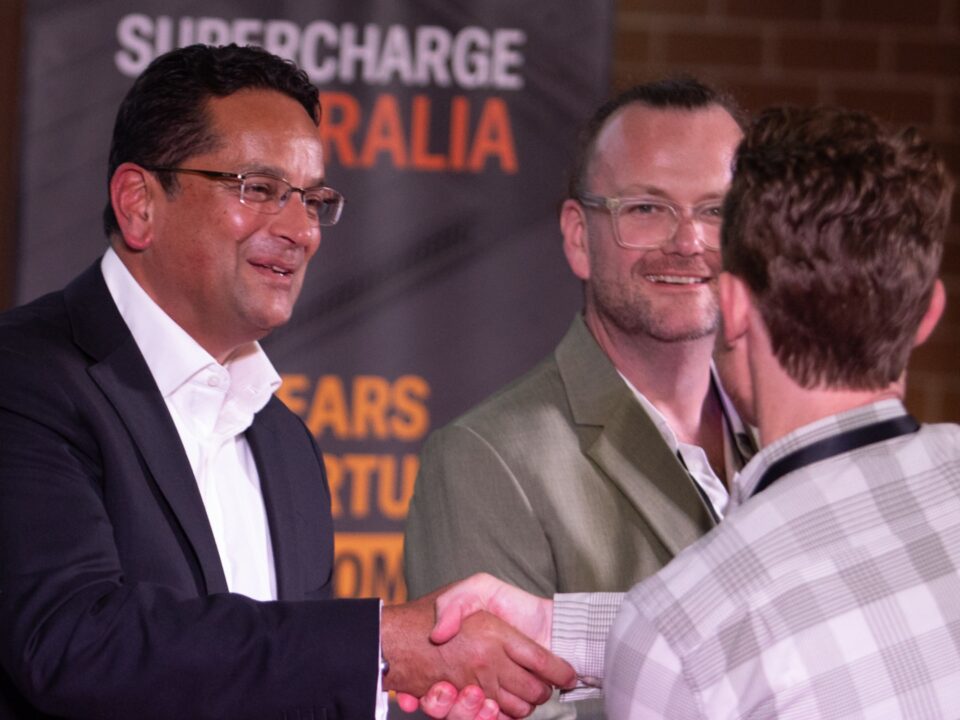
From left: Derick Gyabeng, Program Lead, Supercharge Australia; Kirk McDonald, Project Manager – Supercharge Australia, New Energy Nexus; Ben Apfel & Richard Simons, Liberate Minerals; and Megan Fisher, CEO & Director at EnergyLab.

Liberate Minerals’ team will receive a hosted tour to any of New Energy Nexus’ global office locations that can best accelerate the growth and sustainability of their innovation. Last year’s Challenge winner visited investors and ecosystem players at San Francisco Climate Week and the Advanced Clean Transport Expo in Los Angeles.

A highlight of the awards event was the announcement of reaching the three-year mark of Supercharge Australia, with 41 startups supported and over A$100 million raised by startups participating in its programs.

Two teams received Top Choice Awards for outstanding technical and commercial promise:

  • Next-Gen Energy Technology, represented by CEO, Andrew Cooper, recognised for its next‑generation NCA cathode material platform that significantly boosts energy density, enhances thermal stability, and enables scalable, low‑cost Australian cell manufacturing.
  • Green Dynamics, founded by Tong Xie, awarded for its AI‑driven materials discovery and engineering platform accelerating the development of next‑generation battery and energy‑storage materials through high‑throughput simulation, machine‑learning optimisation and automated experimentation.

The audience-voted People’s Choice Award went to UEG Energy, founded by Eugenie Knight and George Knight, reflecting strong peer and industry backing for its urban, grid-scale storage solutions, supporting rapid electricity distribution network decarbonisation with greater contingent benefits for both the networks and surrounding communities.

“Australia has a once-in-a-generation chance to stand up new businesses operating along the full lithium battery value chain – from rocks to recycling – and create thousands of jobs and economic value while leading the net‑zero economy. The economic opportunity won’t wait for us. Let’s leverage the multibillion‑dollar funds available targeting renewables and more manufacturing in Australia to back innovators, build pathways from breakthrough to market, and simplify funding to unlock the opportunity,” said Megan Fisher, CEO of EnergyLab.

Kirk McDonald, Project Manager – Supercharge Australia of New Energy Nexus, added: “Supercharge Australia Innovation Challenge #3 highlights the transformative potential of home-grown battery and minerals-processing startups. The technical and business ingenuity on display is exactly what Australia needs to build world-class industries centred on local IP, clean energy and downstream value creation. Early-stage startups exist at a wide range of potential enterprise scales, and each of them needs fast, accordingly generous, non-dilutive and ideally non-matching grants to mature rapidly in this dynamic global decarbonisation era.”

The full cohort of ten graduating startups from Supercharge Australia Innovation Challenge #3 with quotes from Professor Elizabeth Thurbon, co-author of the Clean Commodities Trading Initiative, and Kate Chaney MP available here.

For more information on these startups, read our latest briefer.

About Supercharge Australia

Supercharge Australia is an initiative of EnergyLab and New Energy Nexus, accelerating founders across the lithium-battery value chain – from critical minerals and materials to cell manufacturing, pack integration, second-life applications and recycling.

About EnergyLab

EnergyLab is Australia’s largest climate tech startup accelerator and innovation network, backing founders who are building the technologies that will accelerate the transition to net zero. With more than 290 startup alumni, EnergyLab connects entrepreneurs with the mentors, partners, and investors they need to grow and scale. Each year, EnergyLab delivers ten programs that support founders at every stage of development – from early idea to global expansion – helping position Australia as a leader in clean energy and climate innovation.
Media contacts:

Kirk McDonald
Project Manager – Supercharge Australia, New Energy Nexus
kirk.mcdonald@newenergynexus.com
+61 412 336 848

Tristan Tremschnig
Chief Communications Officer, New Energy Nexus
tristan.tremschnig@newenergynexus.com (based in San Francisco)

About New Energy Nexus

New Energy Nexus (NEX) is the world’s leading clean energy ecosystem builder, working toward a 100% clean energy economy for 100% of the population. It does this with a laser focus on diverse entrepreneurs, supporting them with accelerators, funds, skills, and building the local and global connections they need to thrive. NEX has accelerated 1,700+ startups and businesses, empowered over 11,500+ entrepreneurs, and mobilized more than US$5.4 billion in investment.

Since its founding in California in 2004, NEX now operates programs or services in Australia, China, India, Japan, Indonesia, Nigeria, Pakistan, the Philippines, South Korea, Thailand, Uganda, the USA (California and New York), and Vietnam.

Follow NEX on LinkedIn, X, Facebook, and YouTube

News
Indonesia
Energy Finance
KINETIK NEX selects five Indonesian climate and clean energy startups for funding
winners with natalie mendelsohn, counsellor, infrastructure and climate change. australian department of foreign affairs

Winners with Natalie Mendelsohn, Counsellor, Infrastructure and Climate Change, Australian Department of Foreign Affairs

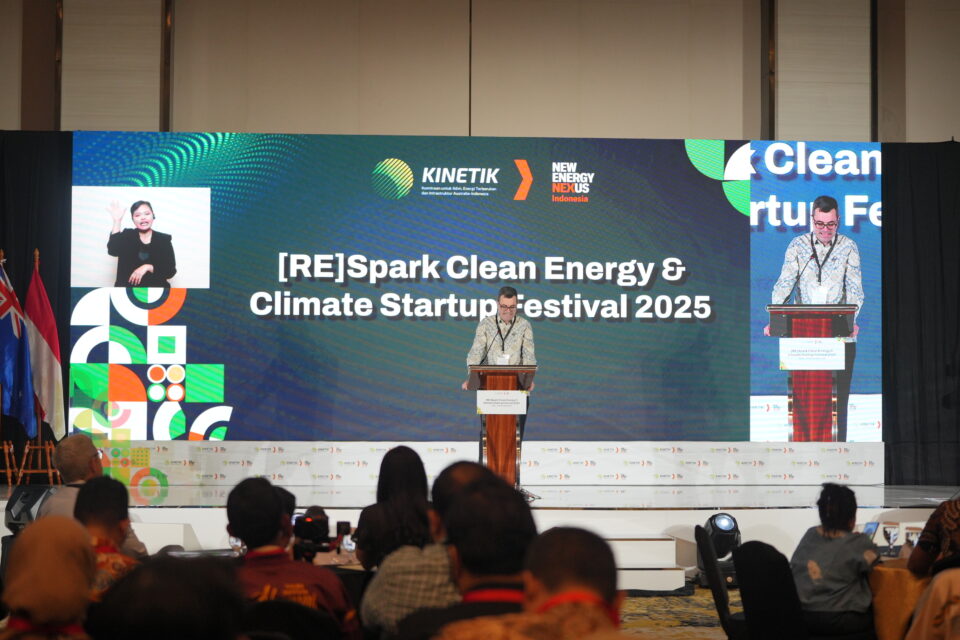
Jakarta, November 19, 2025 – Five Indonesian startups have been selected to receive funding support from the KINETIK NEX Entrepreneurs Program after impressing the judging panel at the Demo Day Pitching during the [RE]Spark Clean Energy and Climate Startup Festival 2025. The support marks a major boost for local innovation that offers real solutions to energy transition and climate challenges, while helping to expand the benefits of clean energy to communities across Indonesia.

The five selected startups represent leading innovators that bring concrete solutions to local clean energy needs and climate resilience. They are:

  • Difabike, a Yogyakarta-based startup offering three-wheeled electric motorcycle services designed specifically for persons with disabilities.
  • Energi Timur Nusa Power, a Sumbawa-based startup focused on optimizing micro hydropower plants in remote villages.
  • Gawirea (Girls and Women in Renewable Energy Academy), an organization that empowers rural women through renewable energy education and entrepreneurship.
  • NUSACUBE by PT Alana Green Electric, a technology provider that produces ice blocks and clean water using solar power and wind power.
  • Sumba Solusi Alam, developer of PowerWells, affordable solar power units made from recycled electronic waste.

Jonathan Gilbert, Minister-Counsellor, Head of Economic, Investment and Infrastructure at the Australian Embassy in Indonesia, stated that Australia is investing more than AUD 200 million to support Indonesia in expanding access to climate finance, strengthening climate resilience, and accelerating the shift toward clean energy. He highlighted that this support aims to ensure that clean energy innovation reaches not only major cities such as Jakarta but also regions including Kupang, Manado, Sumba, and Sumbawa.

jonathan gilbert

Jonathan Gilbert speaks at the event.

“At the heart of KINETIK is a simple belief that the energy transition must be inclusive and locally led. This means ensuring that women and people with disabilities have equal opportunities to lead and benefit from the energy transition and green economy,” Jonathan said during his remarks on Saturday, 15 November, at Menara Danareksa in Jakarta.

He added that innovations emerging from this program are expected to support Indonesia’s efforts to achieve its Net Zero Emissions target by 2060 or earlier. According to Jonathan, when communities design and own their solutions, those solutions last. They reflect local realities, use local resources, and create local jobs.

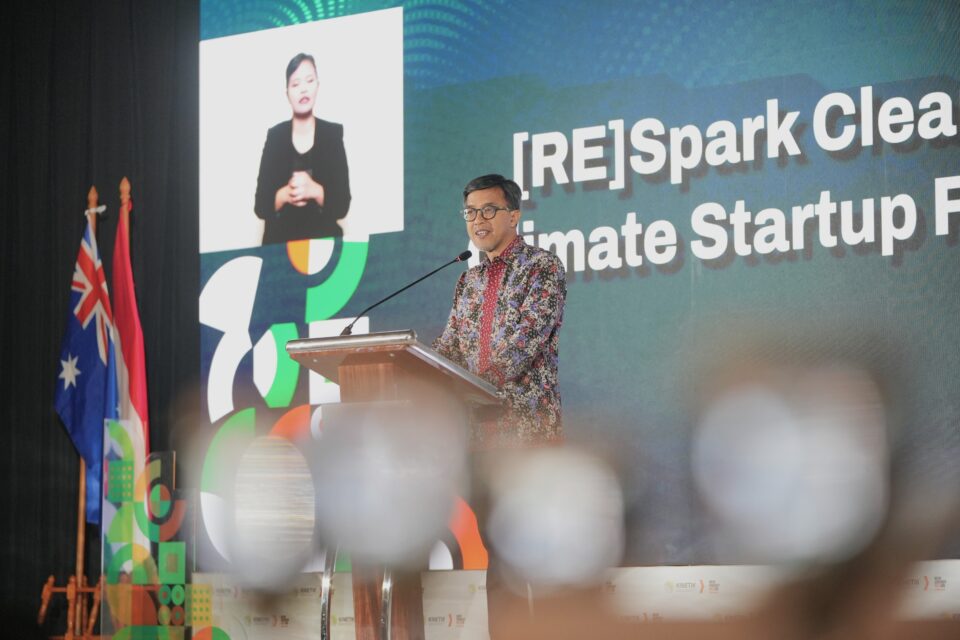
Diyanto Imam, Director of New Energy Nexus Indonesia, reaffirmed the organization’s commitment to supporting innovators and entrepreneurs across Indonesia. He emphasized that energy and climate transition solutions must come from local areas, drawing from local ideas, knowledge, and wisdom.

diyanto imam

Diyanto Imam speaks at the event.

“We strive to harness local knowledge and combine it with our experience over the past six years to continue supporting the growth and real-world impact of innovators across Indonesia,” Diyanto said.

The urgency of these innovations is reinforced by data from the Joint Research Center of the European Commission, which highlights the continued rise of greenhouse gas emissions, increasing atmospheric concentrations, and worsening global warming. In 2024, the Earth’s surface temperature reached a new record of 1.6°C above the pre-industrial average.

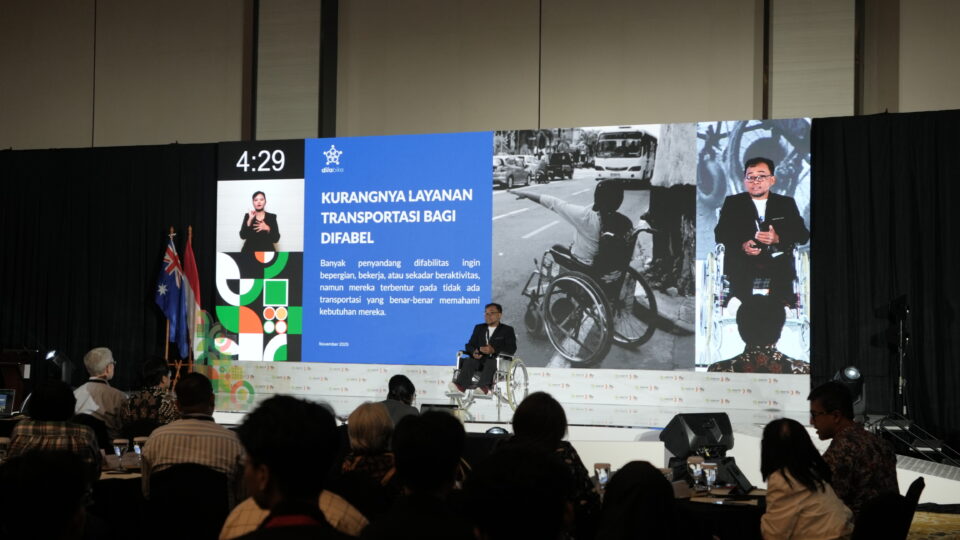
One of the funding recipients, Difabike, stated that this support will help accelerate business expansion not only through its Difaride service but also through the development of Difabox and Difatour to strengthen long-term sustainability.

triyono, ceo of difabike

Triyono speaks at the event.

“This support is essential to advance our services. It will help us fully develop Difabox and Difatour so that the quality of Difaride remains strong and the sustainability of Difabike grows even further with new breakthroughs,” said Triyono, CEO of Difabike.

KINETIK NEX is an initiative delivered by New Energy Nexus in collaboration with KINETIK, the Australia-Indonesia Climate, Renewable Energy and Infrastructure Partnership. It is a flagship program aimed at growing Indonesia’s green economy and accelerating energy transition.

Through KINETIK NEX, this partnership promotes inclusive growth by supporting clean energy and climate technology startups in Indonesia. The program empowers local innovators, creates green jobs, and encourages climate solutions beyond major urban centers. It supports bold ideas for a prosperous Indonesia and a thriving planet.

New Energy Nexus is a global accelerator and funding ecosystem that supports clean energy entrepreneurs from early-stage technologies to deployment and adoption. In Indonesia, New Energy Nexus works to strengthen an ecosystem that supports innovators, startups, entrepreneurs, and stakeholders in the clean energy and climate solutions sector.

Media contacts:

Lukita Wardani
Public Relations Officer
hary.wardani@newenergynexus.com
(Based in Indonesia)

About New Energy Nexus

New Energy Nexus (NEX) is the world’s leading clean energy ecosystem builder, working toward a 100% clean energy economy for 100% of the population. It does this with a laser focus on diverse entrepreneurs, supporting them with accelerators, funds, skills, and building the local and global connections they need to thrive. NEX has accelerated 1,700+ startups and businesses, empowered over 11,500+ entrepreneurs, and mobilized more than US$5.4 billion in investment.

Since its founding in California in 2004, NEX now operates programs or services in Australia, China, India, Japan, Indonesia, Nigeria, Pakistan, the Philippines, South Korea, Thailand, Uganda, the USA (California and New York), and Vietnam.

Follow NEX on LinkedIn, X, Facebook, and YouTube

News
China
Philippines
Renewable energy tech
Philippine-China collaboration sparks new pathways for clean energy development
562397828 719518541162458 5116887250112142542 n

Photo from the People of Asia for Climate Solutions (PACS) Facebook page

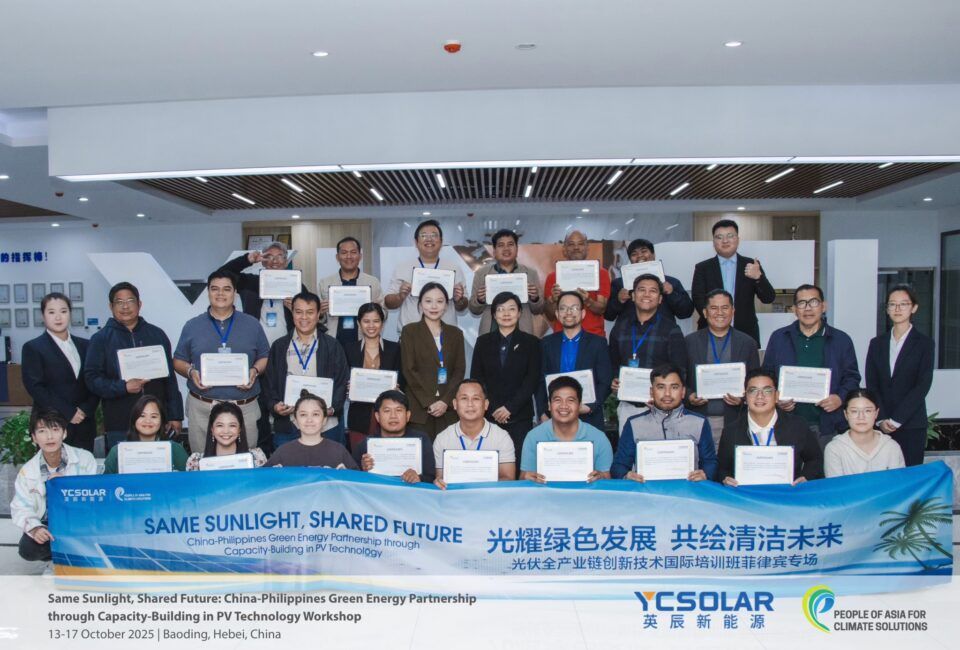
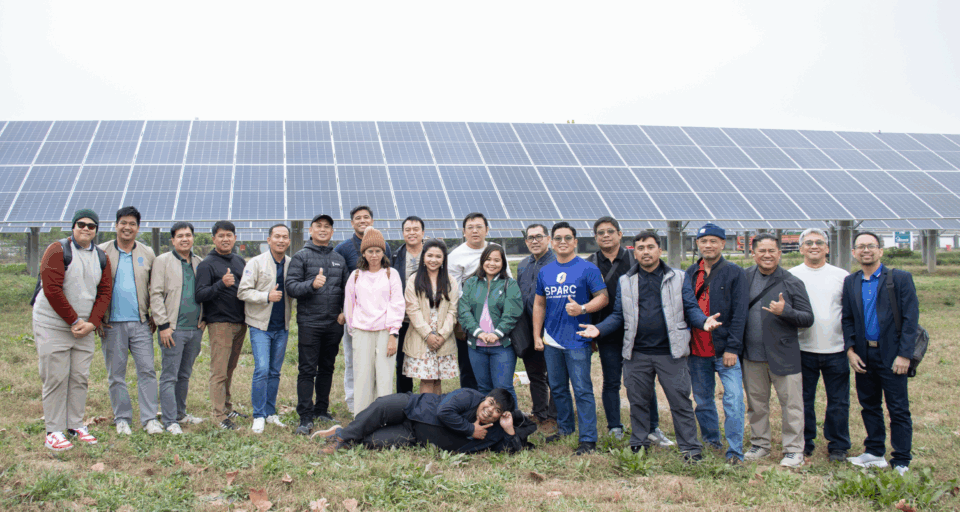
Manila, Philippines, 29 October 2025 – As part of its goal to strengthen renewable energy cooperation between China and the Philippines, New Energy Nexus in partnership with the People of Asia for Climate Solutions (PACS), through the Climate Actions in Renewable Energy (CARE) Project, hosted solar training partners and program alumni in the Solar Photovoltaic (PV) Workshop held in China from October 13 to 16, 2025.

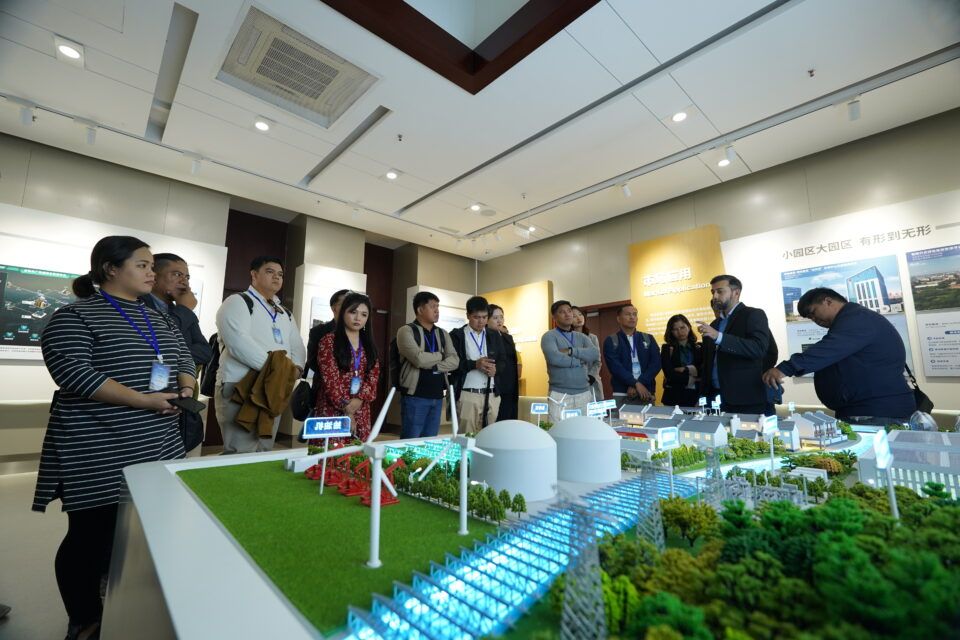
The four-day workshop immersed participants in the latest developments in solar PV technologies with one of China’s pioneering solar panel manufacturers. The sessions also provided insights into emerging trends in distributed renewable energy (DRE), solar manufacturing, and potential areas for collaboration between Chinese and Philippine enterprises.

photo (40 39)

The Solar Photovoltaic (PV) Workshop, organized by New Energy Nexus in partnership with the People of Asia for Climate Solutions (PACS).

“The activity [PV workshop] was an invaluable opportunity to strengthen our local partners’ technical knowledge while building bridges for future cooperation in the renewable energy sector,” said Brenda Valerio, Program Director of New Energy Nexus Philippines.

The visit also contributes to the development of the Project Opportunity Map, CARE’s main output that identifies opportunities for collaboration between Chinese renewable energy enterprises and Philippine stakeholders.

img 082017 0

Participants of the Solar Photovoltaic (PV) Workshop, organized by New Energy Nexus in partnership with the People of Asia for Climate Solutions (PACS).

The Filipino delegation was composed of New Energy Academy solar training partners and Solar Innovation Program alumni who have been instrumental in expanding the country’s clean energy workforce and promoting solar innovation.

“This experience reflects our ongoing commitment to empowering our training partners and alumni with global perspectives and technical expertise. Learning from one of the world’s most advanced solar markets, we hope that these technologies and insights can be adopted and made available in the Philippines, helping our local solar industry champions continue to grow and evolve,” said Jacob Taguinod, Partnerships Manager of New Energy Nexus Philippines.

“The PV workshop in China was inspiring, humbling, and deeply encouraging. It showed us how passionate entrepreneurs can unite around a shared vision for renewable innovation and how advanced PV technology has already become, from solar benches to zero-carbon housing.”

These experiences are critical stepping stones that have bolstered our resolve. They encourage us (solar installers) to push beyond mere profit and focus instead on ambitious advocacy. Having seen these advanced solutions realized in practice, we now know the future we envision for our country is not a distant concept, but a tangible reality we can immediately begin to implement,” said Richmond Reyes, President of EcoSolutions Philippines.

dsc08165

The Solar Photovoltaic (PV) Workshop, organized by New Energy Nexus in partnership with the People of Asia for Climate Solutions (PACS).

Through the CARE Project and initiatives such as the PV Workshop, New Energy Nexus continues to advance cross-border knowledge sharing and support solar entrepreneurs to contribute to advancing the country’s renewable energy market.

About the CARE Project

The Climate Actions in Renewable Energy (CARE) Project is a strategic initiative led by New Energy Nexus (Philippines and China) in partnership with People of Asia for Climate Solutions (PACS). It aims to foster cross-border collaboration in clean energy deployment by supporting Chinese enterprises in navigating the Philippine renewable energy market and promoting knowledge exchange between both countries.

Media contacts:

Dayther Manubag
Communications Lead, New Energy Nexus Philippines
dayther.manubag@newenergynexus.com
(Based in Mandaluyong City)

About New Energy Nexus

New Energy Nexus (NEX) is the world’s leading clean energy ecosystem builder, working toward a 100% clean energy economy for 100% of the population. It does this with a laser focus on diverse entrepreneurs, supporting them with accelerators, funds, skills, and building the local and global connections they need to thrive. NEX has accelerated 1,700+ startups and businesses, empowered over 11,500+ entrepreneurs, and mobilized more than US$5.4 billion in investment.

Since its founding in California in 2004, NEX now operates programs or services in Australia, China, India, Japan, Indonesia, Nigeria, Pakistan, the Philippines, South Korea, Thailand, Uganda, the USA (California and New York), and Vietnam.

Follow NEX on LinkedIn, X, Facebook, and YouTube

News
New Energy Nexus announces leadership transition

Berkeley, USA – September 16, 2025 –  New Energy Nexus (NEX) today announced that Henri van Eeghen will conclude his tenure as CEO, as the organization moves further into a locally led model catalysed under his leadership.

Over the past year, Henri has guided NEX in placing more decision-making and delivery power with its country Chapters, while focusing the global team on providing the right support and expanding the network’s collective impact and footprint in new markets. With that shift well underway, the responsibilities of the CEO role have evolved, and the Board and Henri have agreed that this is the right moment for a leadership transition.

To ensure continuity and stability, Andrew Chang, New Energy Nexus’ Chief Growth Officer, will step up as CEO. Andrew’s focus will be to lead the global team’s next phase: supporting Chapters worldwide, strengthening partnerships in new markets, and keeping delivery focused and effective.

Janet Dalziell, Chair of the Board, said: “On behalf of the Board, I want to extend our deep gratitude to Henri for his leadership during a pivotal stage in NEX’s journey. He helped advance our shift to a more locally led network: empowering Chapters and setting the organization up for success. As NEX enters its next phase, we’re confident the organization is strong, resilient, and well-positioned to expand its impact.”

Henri van Eeghen said: “It has been a privilege to serve New Energy Nexus at such a crucial juncture. Together, we prepared the organization to operate as a truly networked entity, driven by empowered Chapters and entrepreneurial partnerships. With that direction underway, the timing is right for a leadership transition. I am proud of what we’ve achieved and confident in the global team’s ability to deliver at scale.”

Andrew Chang said: “NEX is built on the strength of its Chapters and the clean energy entrepreneurs we serve. I am deeply committed to the mission, having spent more than nine years at NEX leading a Chapter, growing new markets, and launching new initiatives. That experience has shown me that as a network of local leaders, we are greater than the sum of our parts.

“As CEO, my focus will be on ensuring our Chapters have the support and resources they need to succeed, while deepening the partnerships and programs that help them thrive. Building on the path Henri set for us—and by keeping our global team steady and effective—we will expand NEX’s impact as a truly global network for clean energy entrepreneurship.”

Henri, who will be on hand to advise the new leadership, departs with the respect and gratitude of the entire NEX community. The Board is confident that the CEO will provide stability and clarity as the organization moves forward, and that NEX remains well-positioned to fulfill its mission to accelerate the clean energy transition, with clean energy entrepreneurship at its core.

Media contacts:

Tristan Tremschnig Global Communications Director, New Energy Nexus

tristan.tremschnig@newenergynexus.com (Based in San Francisco)

About New Energy Nexus

New Energy Nexus (NEX) is the world’s leading clean energy ecosystem builder, working toward a 100% clean energy economy for 100% of the population. It does this with a laser focus on diverse entrepreneurs, supporting them with accelerators, funds, skills, and building the local and global connections they need to thrive. NEX has accelerated 1,700+ startups and businesses, empowered over 11,500+ entrepreneurs, and mobilized more than US$5.4 billion in investment.

Since its founding in California in 2004, NEX now operates programs or services in Australia, China, India, Japan, Indonesia, Nigeria, Pakistan, the Philippines, South Korea, Thailand, Uganda, the USA (California and New York), and Vietnam.

Follow NEX on LinkedIn, X, Facebook, and YouTube