News
Philippines
Renewable energy tech
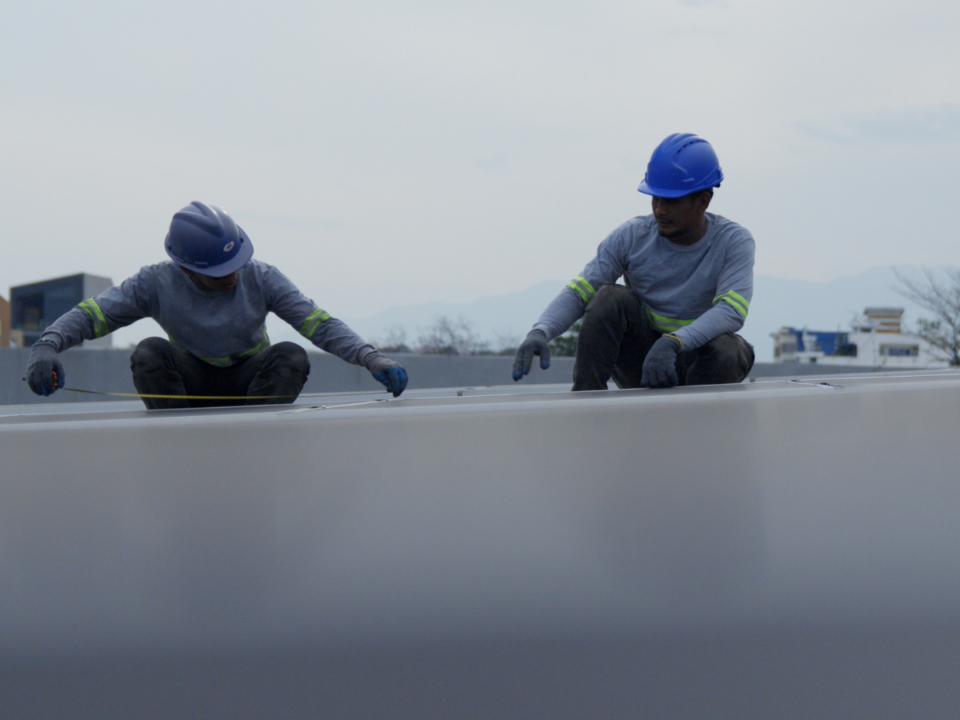
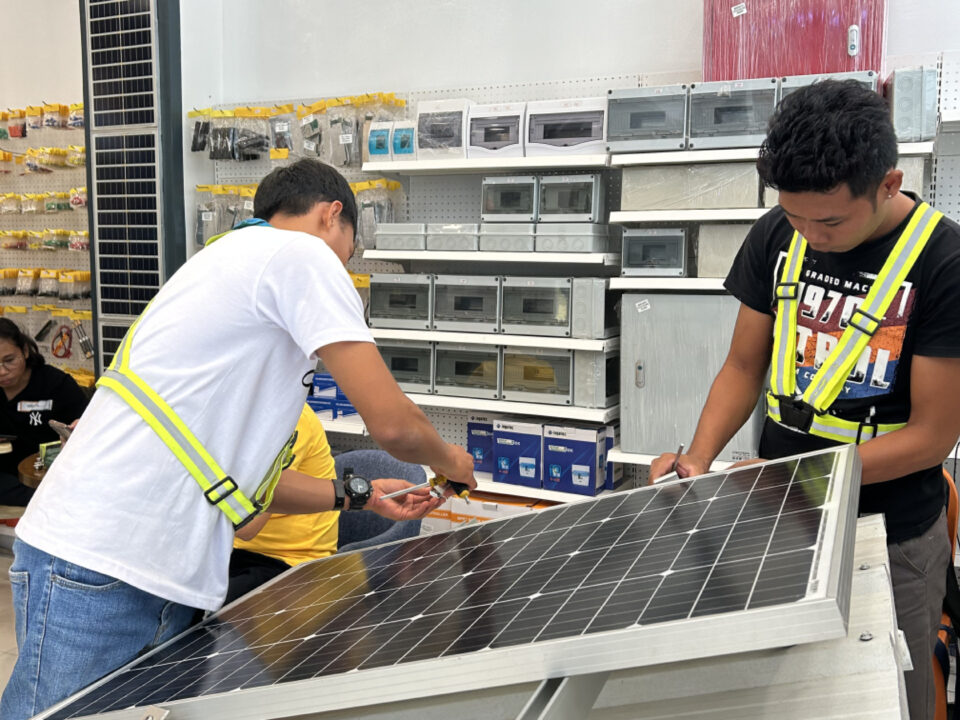
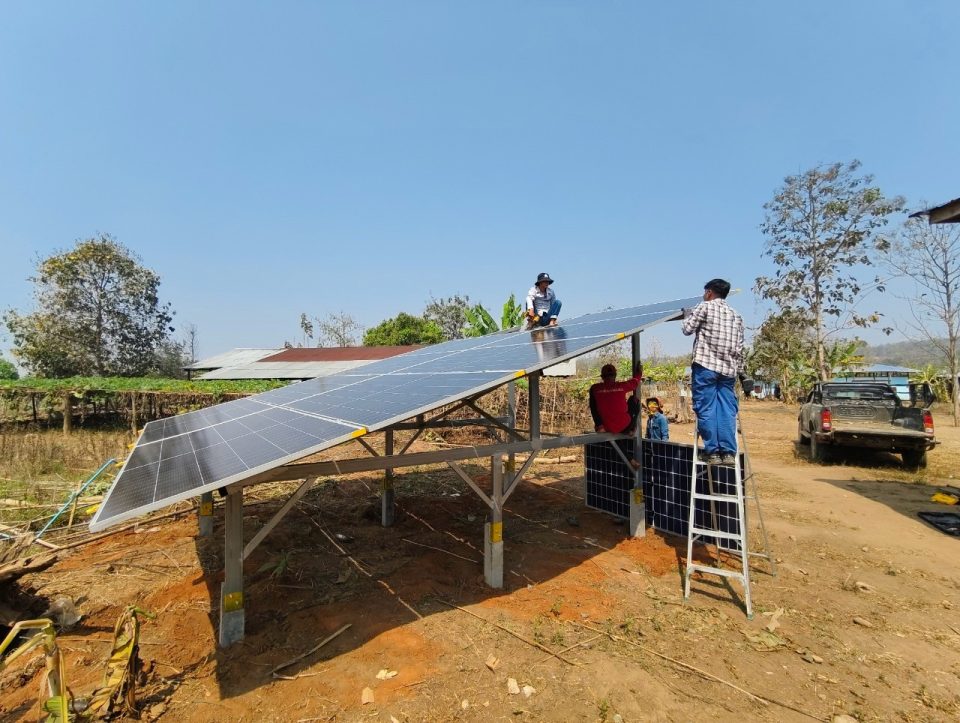
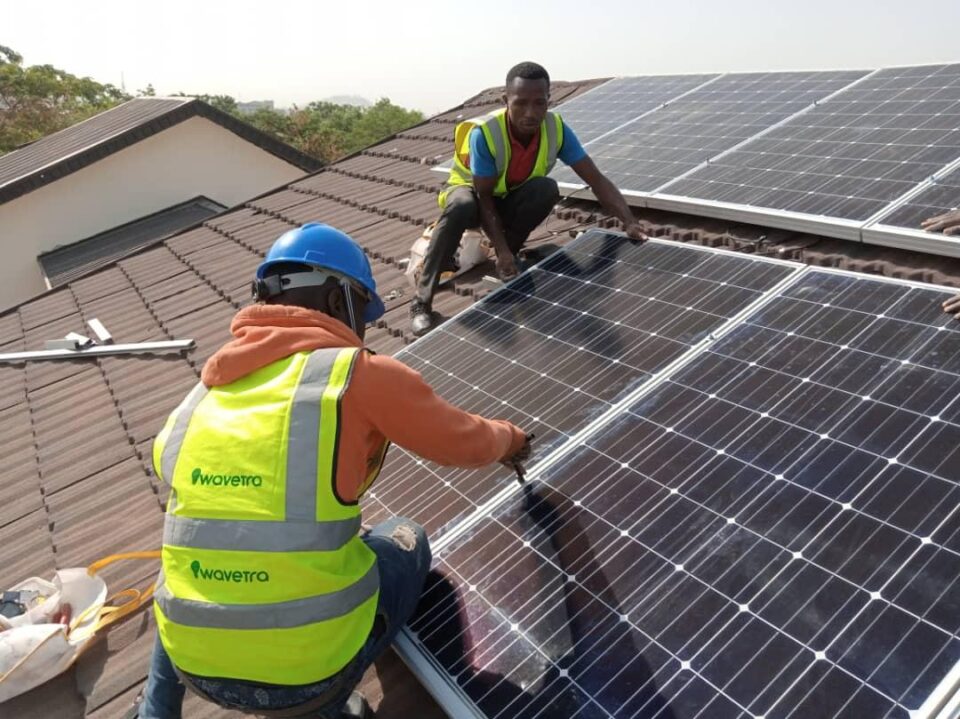
New program launched to strengthen solar training across the Philippines

Manila, Philippines – As the Philippines accelerates its transition toward clean energy, the demand for skilled solar professionals continues to rise. Recognizing the critical role of local training partners in building this workforce, New Energy Academy (NEA), a program of New Energy Nexus, has officially launched the Training Partners Development Program (TPDP) in the Philippines.

Twenty three (23) NEA training partners gathered during the TPDP event together with representatives from GSES Australia.

The initiative ensures that its partners remain at the forefront of industry innovation, instructional excellence, and sustainable business growth. It focuses on three core pillars:

  • Strengthening training effectiveness and instructional design
  • Deepening technical expertise in emerging solar technologies
  • Enhancing business development capacity with an emphasis on inclusive growth

Rather than being a one-time training event, the TPDP represents NEA’s commitment to continuous learning and long-term capacity building within the solar sector.

Ms. Sheryl Estella [NEA Academy Manager] shares the objectives of the two-day TPDP event.

“We [New Energy Academy] are here to grow alongside you, to invest in you, and to build something lasting together. The work we do is not just technical. It is transformational. Behind every training we deliver with you is a Filipino worker gaining a skill, a livelihood, and a future in clean energy,” said Sheryl Estella, Philippines Academy Manager of New Energy Academy.

A stronger solar training network

In an industry shaped by rapid technological change, continuous upskilling is no longer optional. It is essential.

A key outcome of the program is the formalization of the NEA Training Partners Network. It is a platform that brings together local solar companies, facilitating hands-on training across the country. The network aims to standardize training quality, encourage innovation in delivery methods, and strengthen the collective impact of NEA’s partners.

For many participants, the value of the program lies not only in technical knowledge but in the relationships built.

Mr. Rowellson Paras from Sonnelink Greenbuilders, shares his experience as a new NEA training partner.

“Maganda ang goal ng NEA to ensure that solar installers and EPCs are trained properly, because we are really the ones on the ground advancing the solar industry in the Philippines. In this industry, strong networks and partnerships are essential. If we want to last long-term, we need a solid foundation and collaboration.” said Mr. Rowellson Paras of Sonnelink Greenbuilder, one of NEA’s newest training partners.

Investing in training partners is investing in the future of the Philippine solar industry. The ripple effect is significant. Better-equipped trainers produce better-trained solar professionals, which ultimately supports stronger project implementation, improved system performance, and increased confidence in renewable energy adoption nationwide.

The TPDP is scheduled for full implementation from January to March 2026, combining in-person workshops, collaborative network-building sessions, and online learning components delivered through NEA’s digital platform.

As the clean energy transition gains momentum, New Energy Academy continues to champion a simple but powerful principle that sustainable growth begins with empowered people, and empowered partners. Find out how we can support your clean energy startup here.

New Energy Academy is a solar training institution dedicated to developing skilled professionals in the renewable energy sector. It was founded in collaboration with New Energy Nexus, Global Sustainable Energy Solutions (GSES) and OpenSolar, as a response to the rapidly growing solar industry.

Media contacts:

Dayther Manubag, Communications Lead, New Energy Nexus Philippines dayther.manubag@newenergynexus.com (Based in Mandaluyong City)

About New Energy Nexus

New Energy Nexus (NEX) is the world’s leading clean energy ecosystem builder, working toward a 100% clean energy economy for 100% of the population. It does this with a laser focus on diverse entrepreneurs, supporting them with accelerators, funds, skills, and building the local and global connections they need to thrive. NEX has accelerated 1,700+ startups and businesses, empowered over 11,500+ entrepreneurs, and mobilized more than US$5.4 billion in investment.

Since its founding in California in 2004, NEX now operates programs or services in Australia, China, India, Japan, Indonesia, Nigeria, Pakistan, the Philippines, South Korea, Thailand, Uganda, the USA (California and New York), and Vietnam.

Follow NEX on LinkedIn, X, Facebook, and YouTube

Story
Pakistan
Renewable energy tech
Women
Youth
Looking for Pakistan’s EV chargers? This young entrepreneur shows you where
1

Roha Rehan presents her paper on PakPlug at the 2025 IEEE Transportaton Electrification Conference and Expo, Asia-Pacific (ITEC-AP) in Singapore.

Could the “Airbnb” of charging stations be the key to unlock an EV revolution?

Electric vehicles (EVs) in Pakistan are more than just a passing fad. The stage is set for explosive growth, with an ambitious aim of 30% of new vehicles sold by 2030 being EVs, and Chinese EV giant BYD building a manufacturing plant in Karachi to produce 25,000 vehicles annually starting this year.

But is the infrastructure in place to support such a rapid boom? After all, EV charging stations are about to become as huge a commodity as gas stations.

This is where clean energy entrepreneurs like Roha Rehan, a recent electrical engineering graduate from Lahore, come in. Roha’s business, PakPlug, wants to be the “Airbnb” of EV charging stations for Pakistan’s growing EV market.

The spark

Roha’s journey starts at home.

She said her father, an electrical engineer himself, is very “into EVs.” Her family started with hybrid cars in 2012 and has exclusively driven EVs since 2023. While it has helped them cut fuel costs, it wasn’t all smooth driving.

“When we have to travel from Lahore to any other city, we really need to borrow a car from somebody else, because we don’t know if we can locate chargers for our electric car,” Roha said.

She and co-founder Hammad Javaid found that even if charging stations were in an area, a local would have a hard time finding them, as they’re not being marketed properly nor geotagged. That led to the development of PakPlug—an app where anyone can find a place to recharge their vehicles in Pakistan.

pakplug caps

The PakPlug app.

Here’s how it works: People who own an EV charger at home or at an establishment can add it to PakPlug’s system. Users can then find this charging station through the app, and the owner will be able to charge a fee for renting it out.

As a plus for the energy transition, 85% of EV charging stations currently in PakPlug’s systems use solar energy, keeping in pace with Pakistan’s solar boom.

Speed bumps

Currently pre-launch, the app is still going through growing pains. Onboarding customers, ensuring the security of people lending chargers at home, and deciding a price point for renting—these are a few of the barriers for customers and owners, which the team is actively solving.

For example, Roha says they’ve recommended that owners only install their chargers near their gate, so they run a wire into the driveway, and customers don’t have to go inside the home. They’re also testing dynamic pricing, where people can charge more if they own other facilities like restaurants beside their charging station, as it means drivers have something to do while recharging.

Aside from app development, being a woman in STEM comes with its own set of challenges. Roha shared that even in university, her electrical engineering classes had a ratio of 40 men to nine women, and doubts in her abilities continued after graduating.

“When I started this startup, a lot of people had questions like, ‘do you know how EVs charge?’ ‘Do you know this and that?’ And I was like, yes, that’s literally my degree,” Roha said. “People tend to think that women aren’t able to do much in a startup ecosystem, and that they will always need some backing.”

2

Roha Rehan presents at the National Incubation Center Lahore in 2025.

Despite these, Roha has gotten a lot of encouragement from the field. But to break out into the market and scale fast in Pakistan’s changing EV landscape, she saw the need for stronger, more tailored support.

Revving up

Enter Climate Innovation Pakistan (CLIP), a collaboration between New Energy Nexus and Renewables First. Roha was selected for the first cohort of the CLIP Incubator: a 12-week, equity-free program helping entrepreneurs validate products, run pilots, refine business models, and connect with investors and partners across Pakistan.

“I was also incubated somewhere else before, but those were for a wide range of startups. There wasn’t any direct climate-related guidance,” Roha said. “As we discussed in one of our last sessions [in the CLIP incubator], it’s really hard for climate startups to get initial funding, because their impact is going to be long-term and you can only project numbers for the future.”

As she expected, Roha is picking up a lot from sessions dedicated to climate and clean energy solutions like hers, such as emissions impact analysis and what climate investors look for in pitch decks. She’s also getting mentored by Shah Talha Sohail, CEO & Co-founder of Pakistani EV startup Mode Mobility, as part of the program.

“The mentorship sessions that I’m having with Talha are also great, because he’s been working in the startup ecosystem for a while now and he’s really willing to help us out wherever possible,” Roha said. “He even told us that he’ll help us set up our initial grant phase, where we can start applying to grants, if not proper investments, for now.”

The road ahead

As they get PakPlug ready for launch, Roha shared big plans for the app. They’ve set an initial goal of 200 customers in the first three months post-launch. They are also developing a smart switch for EV charger owners, which would track electricity usage and inform changes in pricing.

The team also envisions partnering with the national government and taking on a bigger role in the country’s energy transition.

“So, in the future, when I’m traveling from Lahore to Islamabad, I want to say ‘I don’t have to borrow somebody else’s petrol car and add to the emissions,’” Roha said. “‘I can use my electric car to travel, and I can easily locate chargers as well.’”

3

Roha Rehan presents an event on addressing e-mobility challenges in Pakistan.

Her advice to fellow young entrepreneurs and women in STEM venturing into clean energy?

“I think for someone young, I would say that startups don’t happen overnight. It takes a lot of time and a lot of patience. So if you come up with an idea, you shouldn’t just give up because it’s not happening right now,” Roha said.

“And for women, it doesn’t matter how big or small the idea is, and you shouldn’t let people tell you otherwise… You don’t particularly need to have a co-founder that’s a man who knows all this stuff. You can figure it out on your own.”

If you’re a founder like Roha looking to scale your climate solution, in Pakistan and beyond, check out how we can support you here.

Explore More
Story
China
Renewable energy tech
Bridges, not walls: Linking China’s clean energy to the world
nex bridge

The NEX Bridge Unveiling Ceremony at Zhangjiang Science Gate, Shanghai, China.

Over two days, New Energy Nexus and the Lujiazui Group brought 100 founders, investors, suppliers, and ecosystem partners together in Shanghai to explore one practical question: how can climate solutions move faster across borders?

The challenge isn’t technology. Instead, it’s about deploying clean energy solutions fast enough around the world. To do that, we need trust, partnerships, and pathways that turn manufacturing strength into global impact.

That’s NEX Bridge’s mission: a new initiative that connects China’s clean energy suppliers and global markets. The program provides an incubator space in Zhangjiang, alongside training, events, industry exchanges, and technology demonstrations to help companies scale and reach international opportunities.

Here are five key takeaways from the launch that highlight how NEX Bridge is turning connections into action.

img 2005

Andrew Chang, CEO of New Energy Nexus.

1. Market access is the new climate lever.

For many startups, the problem isn’t building great technology. It’s getting it out to the world. NEX Bridge positions China not just as a manufacturing hub, but as a launchpad for global expansion, while giving international founders a front-row seat to what’s possible here.

“We’re incredibly excited because this is a fantastic opportunity, not only for startups to be able to go out to the world… but also for other startups to be able to see what’s happening within the Chinese market, in this clean energy powerhouse.” Andrew Chang, CEO, New Energy Nexus

When suppliers and startups share the same room, deals happen faster. Pilots happen sooner. Markets open.

nio 02

Puon Penn, CEO and Managing Partner of New Energy Nexus Ventures, and David Fishman, Principal at The Lantau Group, during the tour of the NIO House Experience Center.

2. Seeing solutions in person changes everything.

Slides and Zoom calls can only go so far. Walking factory floors, testing vehicles, and meeting founders face-to-face turns abstract ideas into tangible opportunities.

That was clear during visits to the NIO House Experience Center and the GCL Perovskite Facility, where guests saw battery swapping in action and next-generation solar manufacturing at scale.

“Seeing is really believing… having entrepreneurs meet with each other to really witness with their own eyes the solution that’s possible is key for their success.” Puon Penn, Managing Partner, New Energy Nexus

Trust grows faster when you know how the technology works in reality.

unveiling 07 kirk

Kirk McDonald, Project Manager – Supercharge Australia at New Energy Nexus, presents during the Unveiling Ceremony.

3. China’s speed moves the rest of the world faster.

From Southeast Asia to Australia, partners shared the same reality: climate impacts are accelerating, and deployment must match that urgency.

China’s production capacity offers a rare advantage. The challenge now is moving solutions across borders quickly and responsibly.

“China has a huge advantage in the production capacity of renewable energy technologies. The world desperately needs them… and we need to get more of them out of the country as quickly as possible.” Kirk McDonald, Project Director, Supercharge Australia

Bridging supply with demand isn’t just good business. It’s a climate necessity.

unveiling 06 david fishman

David Fishman, Principal of The Lantau Group, presents at the Unveiling Ceremony.

4. The next wave of innovation is about flexibility.

As grids add more renewables, the opportunities shift. It’s not only about generating clean power, but storing it, moving it, and using it smarter.

Entrepreneurs working on storage, demand response, and intelligent energy management will play an outsized role in what comes next.

“Anything that contributes to flexibility should continue to be an extremely important and hot area for innovation.” David Fishman, Principal, The Lantau Group

In other words, the future grid needs as much brains as hardware.

gcl 02

Tour of the GCL Perovskite Facility.

5. Ecosystems beat isolated wins.

No single company can solve climate change alone. What works is a system: incubators, capital, partners, policymakers, and entrepreneurs moving together.

NEX Bridge is designed as that connective tissue, combining workspace, demonstrations, training, and dealmaking under one roof in Zhangjiang.

“One of the most exciting things about Nex Bridge is that we’re bringing a holistic platform together… an incubator space, a demonstration area, expo… workshops and trainings to support clean energy suppliers in China to be able to go to global markets.” — Andrew Chang, CEO, New Energy Nexus

It’s not just a place to meet. It’s a place to move from idea to deployment.

unveiling 05

The NEX Bridge Unveiling Ceremony at Zhangjiang Science Gate, Shanghai, China.

From Shanghai to the world

Clean energy isn’t only about building hardware and generating megawatts. It’s about trusting partners across borders and collaborating to make the clean energy shift happen—the fastest way possible.

At New Energy Nexus, this is how we work everywhere we operate: building ecosystems that help entrepreneurs scale across borders. In China and across 13 more countries, we connect founders with the training, capital, partners, and markets they need to grow.

Want to break down walls and build bridges with us? Take the next big step for your clean energy or climate startup: Check out programs and opportunities from our global network here.

Explore More
Story
Southeast Asia
Renewable energy tech
Women
Beyond the pitch deck: How to be an “investor-ready” startup

newsblog thumbnail (3000 x 2250 px) (20)

For many early-stage startups, being “investor-ready” is often interpreted as having a polished pitch deck. In reality, investor readiness goes much deeper. It reflects how clearly founders understand their business, how prepared they are to share evidence behind their claims, and how confidently they can navigate fundraising conversations over time.

These themes were explored in an online expert learning session led by Puon Penn, CEO and Managing Partner of New Energy Nexus Ventures, as part of the She Wins Climate Southeast Asia Accelerator. Here are six key insights coming out of the session:

1.Valuation is a negotiation

One of the strongest messages from the session addressed a common misconception among early-stage founders.

“Valuation is a negotiation, not a calculation.”

At the early stage, valuation is rarely driven by complex financial models. Instead, investors look at the overall opportunity, the urgency of the problem being solved, the credibility of the team, and early market signals. Revenue projections matter, but they are only one part of the conversation.

Understanding valuation as a negotiation helps founders focus less on finding a “perfect number” and more on clearly communicating why their startup is worth backing.

2.Investor readiness starts before the fundraise

Investor readiness is not something to prepare only when fundraising begins. It should be built early, alongside product development and market validation.

Investors look for consistency. They pay attention to how founders explain their problem, articulate their solution, and describe their progress over time. Startups that treat fundraising as a process rather than an event are better positioned to respond to questions, requests, and due diligence when they arise.

Being “ready” means knowing your numbers, your assumptions, and your story, and being able to explain them clearly without overpromising.

3.Prepare for due diligence early

Due diligence is often perceived as something that happens after an investor shows a strong interest. In reality, it can begin informally much earlier through conversations, follow-up questions, and data requests.

Puon highlighted that prolonged due diligence with unclear timelines is a common challenge for startups. Founders were encouraged to prepare basic documentation early and to approach due diligence as a two-way process.

Clear communication, defined timelines, and aligned expectations can help founders protect their time and maintain momentum during fundraising.

4.Knowing what investors look for

Investors are not only evaluating the business. They are also evaluating how founders think, respond, and make decisions.

Investors pay attention to:

  • How founders handle difficult questions
  • Whether assumptions are grounded in evidence
  • How risks are acknowledged and managed
  • How open founders are to learning and iteration

Being investor-ready means being honest about what you know, what you do not know, and how you plan to learn.

5.Fundraising is a strategic process
Rather than approaching fundraising as a short-term goal, Puon encouraged founders to see it as a strategic process. This includes choosing the right investors, understanding alignment beyond capital, and being thoughtful about timing.

Not every “yes” is the right yes. Fit matters, especially at the early stage, when investors often play an active role in shaping a startup’s direction.

6.Building confidence through preparation
Ultimately, the session reinforced that confidence in fundraising does not come from memorizing a pitch. It comes from preparation, clarity, and experience.

Startups that invest time in understanding their business, their market, and their fundraising strategy are better equipped to navigate investor conversations with intention rather than pressure.

After all, investor readiness is not about being perfect. It is about being prepared.

Supporting women-led climate startups

This expert sharing session is part of the She Wins Climate Southeast Asia Accelerator, initiated by the International Finance Corporation (IFC) and supported by the Government of Canada and the Government of Australia.

The program supports women-led climate startups across Southeast Asia with investment readiness, go-to-market capability, and access to regional and global networks.

Explore More
Story
Southeast Asia
Renewable energy tech
Women
Building a strong commercialisation engine for go-to-market success

newsblog thumbnail (3000 x 2250 px) (19)

Mastering your commercialization engine

For early-stage startups, the term “go-to-market” is often mistaken for a launch activity. A campaign, a sales push, or a growth sprint.  A go-to-market is a roadmap organisation’s made for launching a new product or service.

In reality, go-to-market is a learning process. It is how founders understand who their customer truly is, how value is delivered, and what it takes to move from early interest to real adoption.

These insights were at the center of an expert sharing session led by Sharinee Shannon, Venture Partner at Hive Ventures, as part of the She Wins Climate Southeast Asia Accelerator Program.

Start with one customer

One of the most important messages from the session was the need for focus at the earliest stage.

“You don’t win go-to-market by trying to serve everyone. You win by knowing one customer deeply, then expanding from there.”

Early-stage founders often see multiple potential customer segments, especially when building solutions that could apply across industries. While this flexibility can be valuable, pursuing too many customer types at once slows learning.

By selecting one ideal customer profile (ICP), founders are forced to go deeper. This includes understanding the customer’s buying cycle, pricing constraints, internal decision-making, competitors in their context, and where they spend time.

This depth of understanding becomes the foundation for effective distribution, pricing, and messaging. Expansion can come later, once there is evidence of traction.

Defining your ICP clearly

To help founders move from assumptions to action, the session encouraged using a simple framing to define an ICP:

We help (who) solve (pain) by (solution) because (urgent why).

The goal is to be as specific as possible. Specificity helps translate strategy into action.

A clear ICP definition makes it easier to decide:

  • Who to prioritise for conversations and pilots
  • How to tailor messaging and value propositions
  • Which channels and partnerships are worth pursuing
  • What kind of evidence or validation is needed

If defining one ICP feels restrictive, it may help to see it as a starting point rather than a permanent choice.

Start with a problem that feels urgent

Go-to-market does not start with market size. It starts with a problem that customers feel strongly enough to act on.

Useful questions to explore include:

  • How does this customer currently address the problem?
  • What are the limitations of that approach?
  • What risks or costs exist if the problem remains unsolved?

Understanding urgency helps shape messaging, pricing, and distribution decisions, and often explains why some customers move faster than others.

Early go-to-market is about learning

In the early stages, go-to-market activities are less about scaling and more about learning.

Pilots, trials, and early deployments provide valuable insight into:

  • How customers actually use the product
  • Who is involved in approving a purchase
  • How long decisions take in practice
  • Where friction or hesitation occurs

These insights help founders refine both the product and the go-to-market approach before expanding further.

Choosing distribution with intention

Distribution channels should reflect how a chosen ICP prefers to discover and adopt solutions.

Some customers value direct engagement, while others rely on partners or peer recommendations. Understanding these preferences reduces wasted effort and improves conversion.

When the ICP is clear, distribution decisions tend to become more straightforward.

Pricing as part of go-to-market

Pricing plays a role beyond revenue generation. It signals value and influences adoption.

Early pricing discussions can reveal how customers perceive the importance of the problem being solved. Feedback during negotiations or pilots often provides direction for refinement.

Rather than aiming for perfect pricing early on, the goal is to learn and adjust.

Go-to-market evolves over time

It is expected that a go-to-market approach will change as a startup gains experience and feedback from the market.

Adjustments to ICP, messaging, channels, or pricing are signs of learning, not failure.

Go-to-market is best viewed as a capability that strengthens over time through focused experimentation and reflection.

Supporting women-led climate startups

This expert sharing session is part of the She Wins Climate Southeast Asia Accelerator, initiated by the International Finance Corporation (IFC) and supported by the Government of Canada and the Government of Australia.

The program supports women-led climate startups across Southeast Asia with investment readiness, go-to-market capability, and access to regional and global networks.

Explore More
Story
California
Indonesia
Philippines
Thailand
Energy Access
These founders are building a just, people-centered energy transition

The International Day of Clean Energy is an annual reminder that the energy transition needs to be fast. But it also has to be fair; communities and livelihoods are at stake, and no one should be left behind.

Around the world, clean energy entrepreneurs are proving that the energy shift and social impact can go hand in hand. They are building solutions, training the next generation, and connecting technology to real needs.

Having backed over 10,000 entrepreneurs over the last two decades, we’ve seen this every day. From training local solar installers to deploying innovative cooling systems, supporting founders means helping ideas turn into tangible change that strengthens communities and powers a just, resilient clean energy future.

Here are a few examples:

1. Sunstruck Solar Solutions (Philippines)

Training the next generation of solar installers

After 22 years working on oil barges, Henry Cequina shifted to clean energy, founding Sunstruck Solar Solutions, which has installed over 7 MWp of solar power across the Philippines.

But Henry didn’t stop at deployment. He’s now partnered with New Energy Nexus Philippines’ New Energy Academy to strengthen both technical and business skills. Today, Sunstruck helps train the next generation of solar installers and entrepreneurs across the region, building local capacity while supporting the clean energy transition.

“What I saw as a big gap in Davao… is the lack of certified solar installers, and also the lack of training providers. What really made me decide to become a training partner… is to standardize installations here,” said Henry Cequina, founder of Sunstruck Solar Solutions, Inc.

By investing in skills alongside infrastructure, Sunstruck ensures the transition creates durable livelihoods rather than just megawatts.

henry cequina

Henry Cequina, founder of Sunstruck Solar Solutions, Inc., facilitating a New Energy Academy training session in Davao City, Philippines.

2. Volto SEA (Indonesia)

Cheaper, more efficient boat motors for fisherfolk

For fishing communities on Bungin Island, rising fuel prices and unreliable cold storage have long eaten into incomes. Volto SEA introduced electric outboard motors designed for small-scale fishers, lowering operating costs and protecting the marine environment.

“The sea is the heartbeat of life in Bungin [Island]. By replacing fossil fuel engines with electric motors, we’re not just offering innovation—we’re honoring the maritime way of life and supporting a more sustainable future,” said Yindy Kurniawan, CEO of Volto SEA.

Backed by New Energy Nexus Indonesia, Volto SEA demonstrates that clean energy can strengthen traditional livelihoods while supporting long-term resilience.

nex dilau pulau bungin sumbawa 0013

Yindy Kurniawan, CEO of Volto Sea, developed the electric outboard motor for Lelepa boats through a collaboration with New Energy Nexus. Photo by Mas Agung Wilis Yudha Bhaskoro

3. SunSawang (Thailand)

Empowering border communities with solar energy

Salinee Hurley, founder of SunSawang, has broken through the barriers faced by women entrepreneurs to deliver solar solutions to off-grid communities along the Thailand–Myanmar border.

SunSawang’s model empowers local families to adopt solar power sustainably, trains community members as technicians, and fosters long-term energy independence.

“Free installations may help in the short term, but the real goal is to empower people to access energy independently in the long run,” said Salinee Hurley, founder of SunSawang.

By centering communities and building local skills, SunSawang shows that equity and energy access go hand in hand. SunSwang is supported by New Energy Nexus Thailand through the SolarSTEP program

salinee hurley

Salinee Hurley. Photo from SunSawang

4. Community Energy Labs (United States – California)

Optimized heating and cooling for schools and public buildings

Buildings generate roughly 40 percent of global carbon emissions. Community Energy Labs, alumni of New Energy Nexus California’s CalSEED program, helps schools and public buildings cut energy costs with “self-driving” systems that continuously optimize heating and cooling.

“Our technology takes something that feels really hard to a lot of building operators… complex, expensive, and very frustrating… and turns it into a hands-off solution. It saves time, money, and hassle,” said Tanya Barham, CEO of Community Energy Labs.

Savings can flow back into communities, showing that climate action can support social priorities while cutting emissions.

community energy labs sonora elementary site visit 3

Community Energy Labs at Sonora Elementary.

Empowering entrepreneurs to lead the transition

Across sectors and geographies, these founders share a common thread: they build clean energy solutions that work for people. New Energy Nexus provides the training, mentorship, connections, and funding founders need to scale responsibly. Through accelerators, programs like the New Energy Academy, and access to global networks, we help turn bold ideas into real-world impact.

These stories show a clear lesson: the transition succeeds fastest when it is inclusive, grounded, and built with communities at its core.

Grow clean energy solutions with your community. Explore our programs and get support at join-nex.co/programs

Explore More
Story
Energy Access
Energy Finance
Renewable energy tech
4 clean energy trends entrepreneurs should watch in 2026

Clean energy’s surge in 2025 wasn’t a fluke. It is set to roar through 2026, with the International Energy Agency forecasting that renewables could overtake coal as the world’s top electricity source next year, led by solar and wind.

For entrepreneurs, 2026 is the moment to scale solutions and take the lead. Here are four trends that make it clear why now is the time to act.

clean energy workers philippines

Workers walk in between rooftop solar panels installed at a chain grocery store.

1. Renewable energy demand is creating urgent opportunities for skilled entrepreneurs

Global renewable capacity is projected to expand rapidly, with renewables expected to become the world’s largest source of electricity by 2026. Solar and wind are driving most additions, while electricity demand is forecast to grow around 3.7 % in 2026, highlighting growing markets for skilled technicians and engineers.

Why it matters for founders

Strong technical skills combined with entrepreneurial ability allow founders to launch and scale businesses in solar, distributed energy, and local clean energy services. Programs like our New Energy Academy give aspiring entrepreneurs the training and confidence needed to start their ventures. Entrepreneur Jimmy Ricohermoso leveraged the program to launch SolarXEnergy, installing tens of kilowatts across three Philippine cities and building a growing pipeline:

“The difference with studying at New Energy Academy is that you have more confidence in taking on solar installation projects… It’s not only a great training experience, but it’s also beneficial if you want to learn how to start a business.” — Jimmy Ricohermoso, Founder, SolarXEnergy

newsblog thumbnail (3000 x 2250 px) (7)

Liberate Minerals wins Supercharge Australia Innovation Challenge #3.

2. Battery and storage innovation are unlocking new market potential

Energy storage is forecast to reach 123 GW globally by 2026, about 33 % higher than in 2025. Storage and recycling innovations are critical to balance intermittent renewable output and reduce environmental impacts.

Why it matters for founders

Startups improving battery efficiency, flexibility, or recycling can access high-demand markets and partner with utilities, investors, and corporates. In Australia, the Supercharge Australia Innovation Challenge supports entrepreneurs with mentorship, investor exposure, and corporate partnerships. Renewable Metals used the program to accelerate their breakthrough recycling technology, which recovers over 95 % of materials at lower cost without toxic byproducts:

“[The Supercharge Australia Innovation Challenge] has created great momentum for our current capital raise.” — Luan Atkinson, CEO, Renewable Metals

ima rida cover

Ima Rida, founder of Magi Farm, handles compost made by Black Soldier Fly larvae.

3. Inclusivity in clean energy is driving innovation and impact

Inclusivity is increasingly being recognized as a strategic priority in clean energy. Women only make up about 32 % of the renewable energy workforce globally, and remain underrepresented in technical and leadership roles. Diverse and inclusive teams enhance innovation, decision-making, and adoption of new solutions.

Why it matters for founders

Inclusive entrepreneurship opens new markets and strengthens networks. Through various programs, New Energy Nexus Indonesia supports women entrepreneurs in the country—providing mentorship, funding, and community support to women-led startups. Magi Farm scaled its food waste upcycling solution through this network, reducing emissions and creating community impact:

“This collaboration with [NEX] has expanded our network. This chain of networks is valuable to us, allowing us to connect with stakeholders, catalyze progress, and achieve even more together.” — Ima Rida, Co-founder & CMO, Magi Farm

tcl foundation

In August 2022, the first batch of TCL solar-powered low-carbon campuses was established in Xixiang County, Hanzhong, Shaanxi. This project is showcased on the Small Money, Big Change casebook.

4. Financial innovation is expanding clean energy access

High upfront costs remain a major barrier to solar adoption. Innovative financing models and institutional capital flows are essential to scale deployment. In the Asia Pacific region, more than two-thirds of green bond proceeds go to renewable energy and energy-efficiency projects, while blended finance attracts private investment where local capital is limited.

Why it matters for founders

Entrepreneurs can use innovative finance models to expand market access and scale quickly. New Energy Nexus China’s report Small Money, Big Change shows how modest, targeted investments can unlock larger funding flows and deliver outsized impact, giving founders practical pathways to attract capital, reach underserved customers, and build financially sustainable businesses.

Download the report here.


Be in the driver’s seat of the clean energy shift in 2026

Clean energy in 2026 and beyond will be defined not only by technology but by how founders build inclusive, scalable, and financially innovative solutions. Renewable growth, storage innovation, diversity, and smart financing create opportunities across the ecosystem. With the right skills, networks, and programs like those offered by New Energy Nexus, founders can scale impact and shape the energy transition while building resilient businesses.

Ready to kick off an even stronger 2026? Explore how we can back your clean energy solution today at join-nex.co/programs.

Explore More
Story
Pakistan
Energy for Agriculture
Renewable energy tech
Meet the startups transforming Pakistan’s climate tech landscape

As Pakistan’s climate tech boom accelerates, entrepreneurship is pushing it even further. Founders across the country are turning real community challenges into practical climate tech and resilience solutions.

Their work follows a historic market shift: in the first half of 2024, Pakistan imported over 13 GW of solar panels, a surge that could bring the country ahead of its 2030 renewable energy targets (The Great Solar Rush in Pakistan, 2024). But scaling this transition will require more than panels; it demands innovators who can tailor technologies to local needs.

That’s why New Energy Nexus and Renewables First launched Climate Innovation Pakistan (CLIP): a national platform designed to support climate tech founders, build a skilled clean energy workforce, and strengthen the policies that unlock long-term impact.

“Pakistan’s startup ecosystem must urgently propel the climate tech vertical, as the need for locally developed solutions has never been more critical,” said Zeeshan Ashfaq, CEO of Renewables First. “Through our collaboration with New Energy Nexus, we aim to demonstrate that with appropriate support, investing in climate tech is both essential and economically viable.”

CLIP’s mission is clear – equip founders with the tools to shape a cleaner, more resilient economy, and ensure Pakistan’s climate tech momentum becomes a long-term engine for growth. And it starts with the first-ever CLIP Incubator.

clip journey

The Clip Incubator journey. Image from Climate Innovation Pakistan

Why the CLIP Incubator Matters

The Incubator is a 12-week, equity-free program helping entrepreneurs validate products, run pilots, refine business models, and connect with investors and partners across Pakistan. It’s built for startups working in the country’s realities, where infrastructure, affordability, and community impact matter as much as technical performance.

“Pakistan is the world’s fifth most populous nation, with its largest industries in high carbon-emitting sectors… Here lies an immense opportunity to ignite the development of groundbreaking climate tech innovations,” said Stanley Ng, Global Partnerships Director of New Energy Nexus.

clip founders

The CLIP Incubator’s first-ever cohort.

These 11 startups comprise the Incubator’s inaugural cohort, representing the ambition and ingenuity behind the country’s climate innovation wave. Meet them below.


Nimbus Labs


The Problem

Pakistan faces severe gaps in weather monitoring and forecasting. Extreme events disrupt lives and livelihoods, but limited infrastructure prevents accurate early warnings.

The Solution
Nimbus Labs deploys AI and IoT-driven weather stations and machine learning models, powered by low-cost sensor networks, to deliver hyper-local precipitation nowcasts and medium-range forecasts. Their systems strengthen climate resilience and support data-driven decision-making for agriculture, cities, and disaster response.

The Founder
Sarwan Shah
is an electrical engineer specializing in Embedded Systems and Machine Learning. His experiences – from founding the Karachi Water Project to Fulbright research and award-winning embedded systems – led him to start Nimbus Labs, aiming to improve Pakistan’s weather monitoring and forecasting infrastructure.


Power Sodium


The Problem

Energy storage in Pakistan remains dependent on expensive lithium imports or polluting diesel generators.

The Solution
Power Sodium builds next-generation sodium-ion and sodium–lithium hybrid batteries with long cycle life and ultra-fast charging, providing clean and reliable power for telecom towers, microgrids, data centers, and renewable energy systems.

The Founder
Ahmad Ghauri brings expertise in aerospace engineering, R&D, and clean energy project management. He co-founded Power Sodium to develop sustainable, locally-manufactured sodium-ion and hybrid batteries that reduce reliance on imported or polluting energy storage systems.

pakplug

PakPlug’s app interface. Screenshots from PakPlug

PakPlug


The Problem

EV adoption is constrained by a severe shortage of public chargers, despite thousands of unused private chargers across cities.

The Solution
PakPlug allows homeowners to list chargers, while EV drivers book and pay through the app. Their QR-enabled smart switch ensures secure access, accurate metering, and reliable payments — unlocking affordable charging where it’s needed.

The Founder
Roha Rehan, an Electrical Engineering graduate from LUMS, founded PakPlug to make EV charging accessible and community-driven. Her team leverages technical and strategic expertise to connect private chargers with EV users across Pakistan.

algaverse

Nayab Raza, Founder of Algaverse. Photo from Algaverse

Algaverse


The Problem

Farmers depend heavily on chemical fertilizers that degrade soil, raise input costs, and worsen emissions.

The Solution
Algaverse’s bio-fertilizers offer a climate-resilient, lower-cost alternative aligned with global soil restoration goals, helping farmers improve yields while reducing synthetic fertilizer use.

The Founder
Nayab Raza
, a PhD candidate in Environmental Biology at the University of Manchester, founded Algaverse to develop CO₂-capturing bio-fertilizers. Her goal is to provide farmers with sustainable, low-emission alternatives that improve soil health and reduce dependence on chemicals.


SustainAgro by Verdora Ventures


The Problem
Pakistan faces water scarcity, pesticide overuse, and reliance on imported produce.

The Solution
Verdora’s modular greenhouses use climate-smart irrigation that cuts water use by 90%, reduces pesticides, increases yields, and localizes production of crops like cherry tomatoes. This lowers the costs for consumers and businesses.

The Founders
Syed Mahd has over a decade of experience in strategy, investments, and project management. At SustainAgro by Verdora Ventures, he works closely with Asad Shamsi, a finance and strategy professional with expertise in research, consulting, and FMCG. Together, they are integrating climate-smart agriculture practices to improve sustainability and productivity in Pakistan’s horticulture sector.


Pani Express


The Problem
Unreliable municipal supply forces cities to rely on informal tanker operators, which results in waste, high emissions, and inconsistent pricing.

The Solution
Pani Express uses mobile ordering, IoT water-level sensors, and optimized tanker routing to reduce water waste, improve reliability, and provide fair pricing – all while lowering emissions and supporting local livelihoods.

The Founder
Ali Yar draws on years of operational, finance, and HR experience in startups to build Pani Express, a smart water logistics platform. His mission is to make urban water delivery reliable, efficient, and climate-conscious.

moiz bhatti

Moiz Bhatti presents at an investor summit. Photo from Moiz Bhatti via LinkedIn

EPO (Environmental Productivity Organization)


The Problem

Water scarcity and rising energy costs threaten agricultural productivity in Pakistan.

The Solution
EPO’s closed-loop farming systems use renewable energy and recycled water to produce consistent, high-quality crops while reducing water and energy consumption, offering a resilient solution in water-stressed regions.

The Founder
Moiz Bhatti, an environmental advocate and founder of National Incubation Center Islamabad, co-leads EPO with a team of environmental scientists. They focus on AI-driven solutions for efficient, sustainable urban and agricultural productivity.


MycieBlue


The Problem
Plastic pollution is growing, and sustainable alternatives are either costly or hard to access.

The Solution
MycieBlue produces compostable, lightweight materials using mycelium grown from organic waste, offering low-carbon solutions for packaging and future construction applications.

The Founders
Yumna Ali
, an architect and environmentalist, is advancing regenerative biomaterials through mycelium, turning waste into nature-inspired products. She partners with Ameerah Rizwan, a product and interaction designer who brings user-centered design and community insight. The architect–designer pair is pioneering mycelium-based materials and accessible bio-design research in Pakistan.

ecobricks

Commercial deployment of 500 Ecobricks Eco-Tiles at F9 Park, Islamabad. Photo from Ecobricks

Ecobricks


The Problem
Millions of tons of plastic end up in landfills or incinerators due to a lack of recycling infrastructure.

The Solution
Ecobricks transforms hard-to-recycle plastics into construction materials supported by AI quality control, reducing waste and enabling circular construction practices.

The Founder
Kashaf Akhtar leads Ecobricks, a team with deep expertise in engineering, AI, and business development. Their focus is on converting difficult-to-recycle plastics into durable, environmentally-friendly building materials.

greenova8

Screengrab from the Greenova8 website

Greenova8


The Problem
Only large investors typically fund solar and wind projects, leaving everyday citizens out.

The Solution
Greenova8 tokenizes renewable projects, allowing small-ticket investments with real-time tracking. Smart contracts automate payouts, while carbon credit monetization strengthens returns.

The Founder
Ibrahim Afridi
started Greenova8 to democratize renewable energy investment using blockchain. He aims to give everyday citizens access to solar and wind projects through fractional ownership.


Recycle Bin


The Problem
Mixed waste contaminates recyclables and sends valuable materials to landfills.

The Solution
Recycle Bin offers digital door-to-door collection with a rewards system, sending materials to verified processors, reducing landfill use and emissions.

The Founder
Adeela Ali
, a pharmacist turned entrepreneur, founded Recycle Bin to solve local waste management challenges through technology. She applies her scientific and analytical skills to create scalable, sustainable solutions.

pakistan 1 768x512

From left: Zeeshan Ashfaq, CEO of Renewables First, and Stanley Ng, Global Partnerships Director at New Energy Nexus

Building Pakistan’s climate future, and taking it global

The founders joining the first CLIP Cohort reflect Pakistan’s growing role in the clean energy transition, and the power of local innovation to reshape a national drive toward a more sustainable future.

This is exactly the kind of work we’re supporting at New Energy Nexus. We’ve backed more than 10,000 clean energy entrepreneurs worldwide. Through CLIP, we’re expanding this mission in Pakistan: helping founders scale solutions, build resilient businesses, and contribute to a cleaner, more inclusive economy.

Pakistan is having a historic climate and clean energy moment. Now it’s time to turn this momentum into long-term transformation, powered by entrepreneurs who understand Pakistan’s needs and are ready to build solutions the world can learn from.

Ready to scale your innovation in Pakistan and beyond? Visit climateinnovate.pk for more climate tech opportunities and updates.

Explore More
Story
Indonesia
Energy Access
Clean energy powers a blue economy in Indonesia’s Bungin Island
default

Bungin Island, the second most densely populated island in the world. Photo by Mas Agung Wilis Yudha Bhaskoro

Life on Bungin Island in Indonesia’s Sumbawa Regency can be challenging. With 2,338 people per square kilometer, it’s one of the most densely populated islands in the world. Meanwhile, the residing Bajo Tribe—the world’s largest remaining community of sea nomads—depends almost entirely on the ocean for income. The island has 1,020 to 1,113 active fishers today, all of whom rely on fishing as their main source of livelihood.

But rising fuel prices, unreliable cold storage, and dependence on costly diesel-powered equipment are putting intense financial pressure on the community. Spoilage, long-standing infrastructure gaps, and unstable operating costs are shrinking margins for fishers at a time when every kilogram of catch matters. Globally, weak cold chain systems are known to drive post-harvest losses and depress incomes for small-scale fishers, a challenge documented by the FAO,[1] both of which highlight renewable-powered cold chains as a pathway to higher incomes and reduced losses.

To help address these economic vulnerabilities, New Energy Nexus (NEX) Indonesia partnered with local startups Olat Maras Power and Volto Sea to launch a community-led clean energy pilot focused on strengthening the fishing economy. By introducing solar-powered cold storage units and electric outboard motors, the project aims to reduce losses, stabilize costs, and support the livelihoods of Bungin’s fishers.

nex dilau pulau bungin sumbawa 0017

Karyadi has reduced his operational costs by 50% after converting his Lelepa boat from a fossil fuel engine to a Volto Sea electric outboard motor. Photo by Mas Agung Wilis Yudha Bhaskoro

nex dilau pulau bungin sumbawa 0024

Ismail, one of the local fishers using the Volto Sea electric outboard motor. Photo by Mas Agung Wilis Yudha Bhaskoro

This pilot is part of a larger NEX Indonesia-led initiative supporting Indonesia’s coastal and marine sectors through community outreach, capacity building, and scalable clean energy innovations that directly improve local economic conditions.

“We’ve seen firsthand how much loss fisherfolks experience due to inadequate storage,” said Nova Aryanto, CEO of Olat Maras Power, which deployed 12 solar-powered cold storage units on the island. “Our solar cold storage helps maintain catch quality and cuts daily operating costs. Fishers can save up to IDR 30 million and reduce up to 12.5 tons of CO₂ emissions annually.”

nex dilau pulau bungin sumbawa 0067

Olat Maras Power has converted the cold storage unit to be powered by three energy sources: grid electricity, batteries, and solar panels. Photo by Mas Agung Wilis Yudha Bhaskoro

nex dilau pulau bungin sumbawa 0028

Nova Aryanto, CEO of Olat Maras Power, collaborates with Volto Sea to establish a battery charging station for electric outboard motors on Bungin Island. Photo by Mas Agung Wilis Yudha Bhaskoro

Previously, fish collectors on Bungin were losing up to 1.2 tons of fish during the peak season due to spoilage, putting a major financial burden on families whose income depends on selling each day’s catch. With solar-powered cold storage, catch quality is preserved longer, waste is reduced, and profits become more predictable.

Meanwhile, Volto Sea, a Bali-based startup that develops clean maritime technology, introduced electric outboard motors to replace expensive fuel-powered engines.

“The sea is the heartbeat of life in Bungin,” said Volto Sea CEO Yindy Kurniawan. “By replacing fossil fuel engines with electric motors, we’re not just offering innovation—we’re honoring the maritime way of life and supporting a more sustainable future.”

nex dilau pulau bungin sumbawa 0013

Yindy Kurniawan, CEO of Volto Sea, developed the electric outboard motor for Lelepa boats through a collaboration with New Energy Nexus. Photo by Mas Agung Wilis Yudha Bhaskoro

Switching to electric motors offers fishers major financial relief, with potential annual savings of up to IDR 37 million (US$2,225) per fisher.

The pilot is not only about introducing hardware. For the transition to work, communities must be aware of the benefits, equipped to use the technology, and actively involved in the process. With support from Manussa Consulting, the project began with a feasibility study involving more than 50 respondents and 22 stakeholders, including fishers, aquaculture operators, small businesses, and village leaders. The study highlighted high energy costs, low awareness of alternatives, and infrastructure limitations as key barriers holding communities back.

To address these constraints, the team rolled out workshops, product demonstrations, and public awareness activities. A hybrid-powered charging hub is also being piloted to provide accessible, renewable energy for both cold storage units and electric motors, reducing long-term dependence on costly fossil fuels.

“Introducing electric boats and solar-powered cold storage is a timely response to the economic vulnerabilities and climate crisis impacting Indonesia’s coastal regions,” said Kevin Felix, Senior Program Associate at New Energy Nexus Indonesia. “Together with a hybrid charging hub, these technologies can drive real change, building resilience and improving quality of life for fishing communities.”

For Bungin’s residents, the impact is already tangible.

“We welcome this program as a first step toward building an energy-independent and environmentally friendly coastal village,” said Jaelani, Head of Bungin Village. “This isn’t just about technology—it’s about securing the future for our children and ensuring the long-term sustainability of our local economy.”

nex dilau pulau bungin sumbawa 0065

Pilot test of Volto Sea’s electric outboard motor. The boat can carry 2–3 people. Photo by Mas Agung Wilis Yudha Bhaskoro

Looking ahead, NEX Indonesia and its partners are developing pathways to help communities adopt these solutions at scale. Flexible financing schemes, youth engagement programs, and collaborations with government agencies are all in the works to expand this model to other coastal areas across Sumbawa and beyond.

As the sun rises over the waters of Sumbawa, so does the hope for a clean energy future: powered by local innovation, supported by global partnerships, and grounded in the everyday lives of its many island communities.


References:

[1] Improved post-harvest practices for fish loss and waste reduction | FAO; and Hidden Harvest: The Global Contribution of Capture Fisheries | World Bank

Explore More
News
Vietnam
Energy Finance
Vietnam’s climate tech VC share surges over 22% — nearly double the global average

Ho Chi Minh City, December 4, 2025 — Vietnam’s climate tech sector outpaced the world in 2024, capturing 22.3% of total VC activity in the country—nearly twice the global average (12%)—yet the surge was powered overwhelmingly by one mega-deal, underscoring both momentum and fragility in the country’s emerging climate innovation economy.

These findings come from the newly released Vietnam Climate Tech Funding Ecosystem 2025 report, jointly produced by New Energy Nexus Vietnam, RMIT University, and the AGILE Project.

A second major shift highlighted in the report is how new energy policies are quietly reshaping Vietnam’s investment map, triggering a fivefold surge in Energy Transition funding. The passage of the Law on Electricity 2024 and the Rooftop Solar Decree 135/2024 unlocked a wave of investment activity, pushing Energy Transition deals to US$15.5 million in 2024—five times higher than 2023. This marks one of the most significant policy-driven investment jumps in the sector’s history.

Between 2015 and 2024, 78 Vietnamese climate tech enterprises raised nearly US$205 million across 217 deals, with nearly US$100 million raised in 2024 alone. But the landscape is highly concentrated: 71% of climate tech funding in 2024 came from a single US$70 million Series A deal (from TECHCOOP), revealing a heavy reliance on landmark transactions rather than broad-based growth.

Other notable findings include:
  • Post-seed “graduation” for climate tech fell to 11.11%, compared to 32.2% for the wider tech sector.
  • Impact investors participation in Vietnam’s climate tech deals increased from one in 2020 to 10 in 2024, bringing stricter expectations around measurement, gender equity, and HSES standards.
  • Grants remained the dominant source of early-stage capital as domestic VC participation stayed limited.
  • Ho Chi Minh City continues to be the country’s primary funding hub, followed by Hanoi and Danang.

“When one mega-deal accounts for more than 70% of all VC funding, it tells us innovation exists, but the scaffolding around it is thin. Organisations like New Energy Nexus play a critical role in strengthening this scaffolding: supporting the building pipelines of investment-ready founders, widening access to grants and patient capital, and ensuring domestic investors gain the confidence and data they need to participate,” said Thao Tran, Country Director at New Energy Nexus Vietnam.

The report also introduces the first four-layer ecosystem map that clearly defines enterprises, financial providers, intermediaries, and government enablers—an important step toward clarifying “who does what” in Vietnam’s climate innovation system.

“As co-authors of this report, our team at RMIT aimed to provide in-depth insights into Vietnam’s climate tech funding ecosystem. Beyond supporting entrepreneurs and investors, we also hope these findings will be integrated into teaching, helping students understand real-world challenges and opportunities in the sector,” said Dr. Duy Dang, Associate Head of Research & Innovation at RMIT Vietnam.

Download the report here.


About New Energy Nexus Vietnam

New Energy Nexus Vietnam was launched in early 2019 with the mission of promoting Vietnam’s clean energy transition. We have supported over 550 entrepreneurs and engaged over 1,800 participants through our incubation, acceleration, and funding programs. With our backing, startups have generated US$1.6 million in grants.

By enhancing our strong bond with all the stakeholders in the network, we aim to further develop the energy ecosystem in support of a smooth transition to sustainable initiatives and build a pipeline of potential entrepreneurs.

About RMIT University

Founded in 1887, RMIT is a multi-sector university of technology, design and enterprise with more than 90,000 students and over 11,000 staff globally. RMIT provides students with a high-quality education, preparing them for life and work in a global economy. As the largest offshore campus in Asia, RMIT Vietnam has three locations: Ho Chi Minh City, Hanoi, and Danang. With over 12,000 students and 1,300 staff, the University has graduated nearly 25,500 alumni since 2000. The University is celebrating its 25th anniversary this year.

About AGILE Project

The Advancing Growth, Innovation & Leadership for Enterprises in Vietnam (AGILE) project is an initiative funded by Global Affairs Canada (GAC) and implemented by the World University Service of Canada (WUSC) and Sarona Asset Management. The project aims to contribute to the increased resilience among Vietnam’s climate-vulnerable populations by fostering a more inclusive and effective business ecosystem that supports the growth of Climate Enterprises (CEs), particularly those that are women-led or serve women. The project promotes systemic change by strengthening support from ecosystem actors, increasing investment, and deploying funds using a Gender Lens Investing (GLI) approach for CEs.

Media contacts:

Nhung Nguyen
Program & Impact Manager
New Energy Nexus Vietnam
nhung.nguyen@newenergynexus.com

About New Energy Nexus

New Energy Nexus (NEX) is the world’s leading clean energy ecosystem builder, working toward a 100% clean energy economy for 100% of the population. It does this with a laser focus on diverse entrepreneurs, supporting them with accelerators, funds, skills, and building the local and global connections they need to thrive. NEX has accelerated 1,700+ startups and businesses, empowered over 11,500+ entrepreneurs, and mobilized more than US$5.4 billion in investment.

Since its founding in California in 2004, NEX now operates programs or services in Australia, China, India, Japan, Indonesia, Nigeria, Pakistan, the Philippines, South Korea, Thailand, Uganda, the USA (California and New York), and Vietnam.

Follow NEX on LinkedIn, X, Facebook, and YouTube