Story
Thailand
Renewable energy tech
Thailand’s solar boom sparks a race for new energy skills

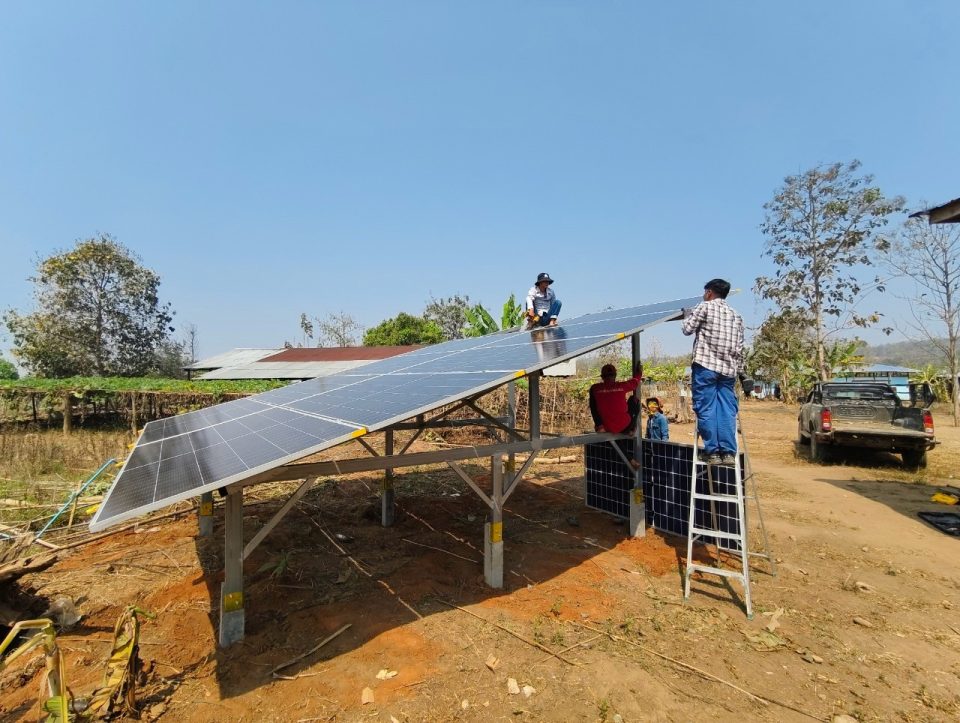
As global oil and gas shocks continue to raise electricity prices and put pressure on households and businesses, Thailand’s residents are turning to solar. The government is greasing the wheels on this transition, introducing new incentives for rooftop solar while encouraging high-consumption users to generate their own power.

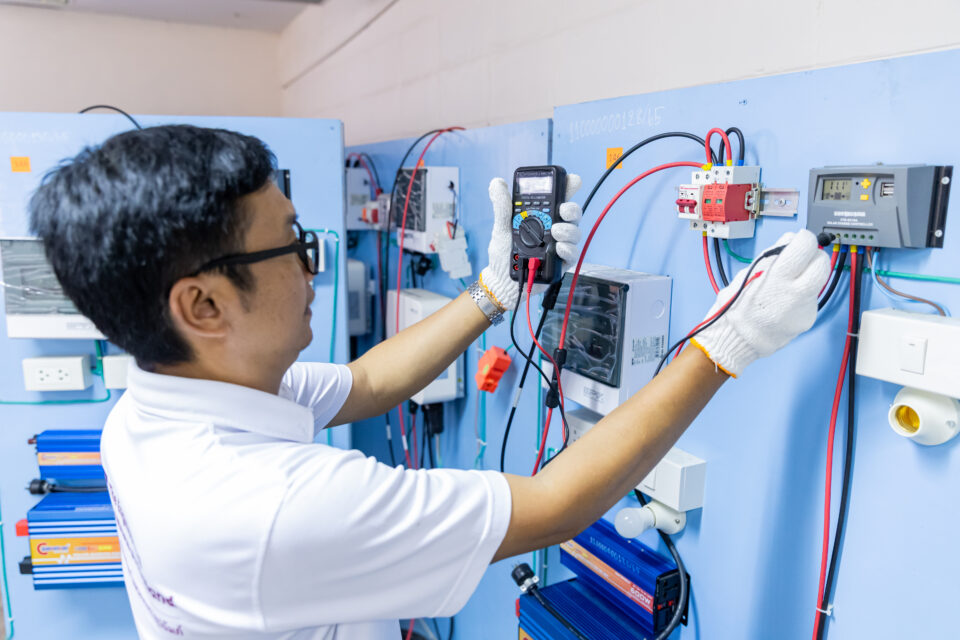
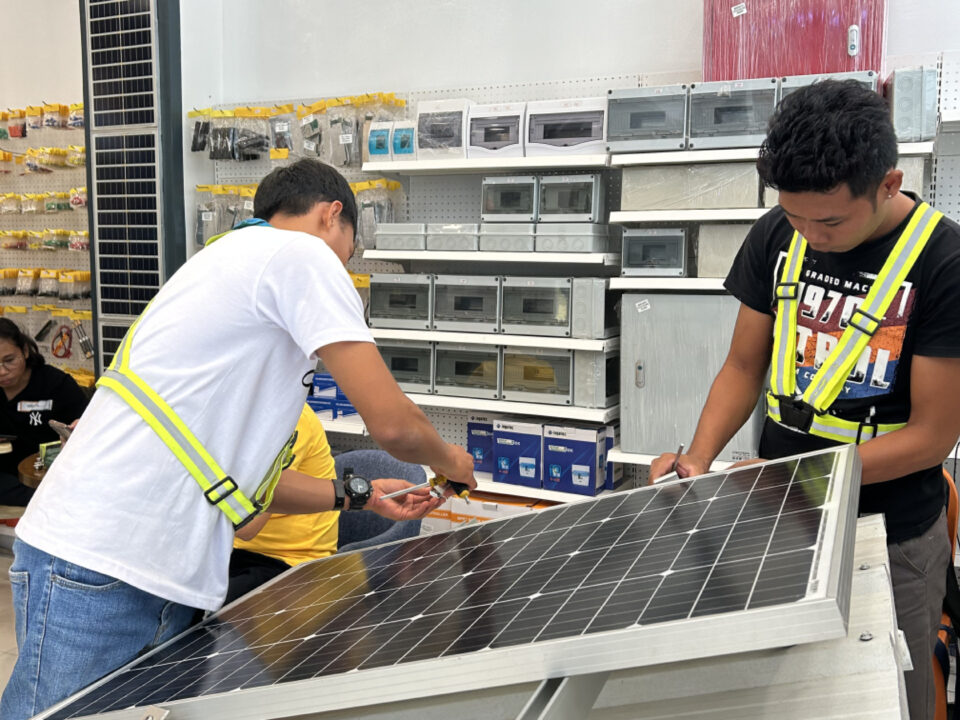
As demand for solar grows, so does the need for the people who can design, install, and maintain these systems. Stepping up to the plate are enterprising Thais, who are increasingly seeking the skills needed to turn the clean energy transition into new career and business opportunities.

A recent rapid survey conducted by New Energy Nexus (NEX) Thailand in Phuket found demand for solar installation training running at least three times higher than comparable surveys conducted before the energy crisis. The responses came from hotel technicians, electricians, farmers, construction workers, unemployed job seekers, and experienced professionals looking for a second career.

A workforce responding to the energy reality

The energy crisis alone did not drive this momentum. Thailand has been building up to this for a while now.

Its latest electricity tariff reforms, combined with years of exposure to energy price shocks, have strengthened the economic case for solar. Businesses across Phuket’s tourism-driven economy, from hotels and resorts to restaurants and retailers, continue to face high operating costs tied to electricity consumption.

And so, Thais are seizing the opportunity.

Key data points from the survey include:

1. “Becoming a Solar Cell Entrepreneur” was the most popular course offering. Solar installation, battery assembly, and solar-powered agricultural systems also attracted strong interest

2. Nearly one in three respondents (32%) is currently unemployed. A majority saw solar entrepreneurship or installation as their route back into work. Another 9% were electricians and technicians with transferable skills, while hotel and hospitality workers formed a notable cohort, reflecting Phuket’s exposure to rising energy costs.

3. The average respondent age is 44, with a substantial share in their 50s and early 60s. There are experienced workers who saw their electricity bills spike in 2022 and 2023, and are now pursuing solar training as a deliberate next step. Several even wrote in the open-response section about using solar skills to build a second career after retirement, and some expressed curiosity about technologies such as batteries and solar EV chargers.

“The demand for solar training in Phuket tells us the energy price shock has already changed how people here think about their futures,” said Natcha Tulyasuwan, NEX Thailand country manager. “Hotel technicians, electricians, people between jobs—they want to be qualified solar installers and solar entrepreneurs.”

This bigger market for solar training is, as it turns out, exactly what the country needs right now.

While Thailand has ambitious plans to expand solar generation from just over 3 GW in 2024 to more than 33 GW by 2037, the country faces a critical bottleneck: not enough certified installers, solar SMEs, and maintenance professionals to meet growing demand.

Without sufficient training and accreditation pathways, consumers may struggle to find qualified installers, while poorly installed systems could undermine confidence in solar at a time when adoption is gaining momentum.

“The government is telling high-consumption users—hotels, businesses, large households—to go solar,” Tulyasuwan said. “A business in Phuket that acts on that advice today will struggle to find a certified installer who can guarantee quality work and a maintenance agreement.”

For many workers, the motivation already exists. What remains missing are accessible pathways to certification, entrepreneurship support, and practical training opportunities outside major urban centers.

Where to take this solar skills demand

This is where NEX Thailand comes in. In 2025, NEX Thailand’s SolarSTEP program secured national approval for its Solar Entrepreneurship Curriculum from the Department of Skill Development under the Ministry of Labour, creating a pathway toward nationally recognized solar workforce training.

The next challenge is scale. Expanding accredited training programs across provinces, supporting local training providers, and building a strong pipeline of installers and maintenance professionals will be critical if Thailand wants to keep pace with growing solar demand.

More recommendations on strengthening Thailand’s solar workforce can be found here.

The findings from Phuket reveal the simple reality that clean energy is increasingly becoming an economic opportunity. As energy costs rise and solar becomes more affordable, more Thais are looking to build careers and businesses around the transition.

That surge in demand for solar training is a signal that people are ready to participate in Thailand’s clean energy future. The task now is ensuring they have the skills, support, and opportunities to help build it.

Want to learn more about how we’re building the clean energy ecosystem in Thailand and in 13 other countries across the globe? Check out our programs here.

Explore More
Story
Thailand
Built Environment
Why Thailand needs to break silos for greener buildings

Bangkok is getting hotter every year. This summer alone, temperatures were forecast to reach 43°C (109°F), while a “super El Niño” threatens unprecedented heatwaves across Thailand.

As cities expand and temperatures rise, buildings are becoming an increasingly significant part of the country’s energy challenge. Cooling systems already account for around 60% of energy consumption in Thailand’s buildings, raising a critical question: how can Thailand meet growing cooling demand without driving up power costs or straying from its net-zero goals?

This challenge inspired New Energy Nexus Thailand’s Green Building Initiative, launched in 2024 to connect green building startups with building owners seeking to align with environmental targets.

Through the initiative and a series of ConNEX forums, developers, architects, startups, researchers, and policymakers explored the future of sustainable buildings in Thailand. They found that the challenge isn’t a lack of technology, but the ecosystem needed to scale it.

Those discussions surfaced several persistent barriers, along with practical policy recommendations to address them.

Green building development still relies too heavily on voluntary action.

A recurring theme across the discussions was that Thailand’s progress in green building remains largely dependent on individual champions rather than on systemic support.

While sustainability standards and green building certifications are already available, adoption remains uneven. Fragmented governance, limited enforcement, and insufficient economic incentives make it difficult for sustainable building practices to move beyond a small number of leading projects. Without stronger policy signals and long-term market support, many green solutions struggle to scale.

Policymakers should: Strengthen incentive frameworks and regulatory instruments to support the systematic development of green buildings.

There’s limited access to reliable building performance data.

Another major challenge identified was the lack of consistent, high-quality data on building energy use and emissions.

Existing datasets are often fragmented, inconsistent, or based on estimates rather than measured operational performance from buildings in Thailand. This makes it difficult for policymakers, developers, and building owners to accurately assess performance, prioritize retrofits, or make evidence-based decisions.

Without standardized measurement and reporting systems, the sector risks making investments and policy decisions without a clear understanding of what is actually working.

Policymakers should: Develop standardized methodologies for measuring and reporting building energy use and greenhouse gas emissions, while integrating data across existing reporting platforms.

Climate innovations struggle to move from pilots to widespread adoption.

Thailand is home to a growing pipeline of startups and climate technologies with the potential to improve building sustainability. Yet many founders face the same challenge: gaining access to real-world environments to test, validate, and demonstrate their solutions.

At the same time, building owners are often hesitant to adopt unfamiliar technologies without proven performance data. The result is a persistent gap between innovation and implementation, where promising solutions can become stuck between prototype and market adoption.

This is why proof-of-concept (PoC) projects are so important. They help generate the operational evidence needed to build confidence among customers, investors, and policymakers.

One startup currently implementing a PoC through GBI is Videnvaren+, which develops thermal insulation materials made from recycled end-of-life tires. Its solution helps reduce heat transfer in buildings while transforming waste into a valuable construction material.

“Buildings have never been the work of a single mind,” said Kongphat, founder of Videnvaren+. They are the result of collaboration across disciplines, generations, and systems.”

Policymakers should: Promote and support the development, testing, and real-world deployment of green technologies, innovations, and materials to accelerate sustainable building adoption.


You can’t build green buildings alone.

Progress requires collaboration across the entire ecosystem, from regulators and developers to startups, researchers, financiers, and implementation partners.

While the Videnvaren+ PoC is still underway, the project already demonstrates why startup support and real-world implementation opportunities matter. Without places to test and validate new technologies, innovation struggles to move beyond promising ideas. And without operational data and proven results, building owners, investors, and policymakers often lack the confidence to support wider adoption.

Thailand’s green building future will not be built through isolated solutions. It will depend on how we build the ecosystem that allows sustainable solutions to move from concept to scale.

Learn more when you read the full GBI ConNEX report here (in Thai).

Explore More
Story
Thailand
Energy Finance
Renewable energy tech
Thailand’s fuel crisis is a policy test for its clean energy startup economy

Written by Kotchakorn (Build) Khwamchareon, Head of Programs at New Energy Nexus Thailand

Working with clean energy entrepreneurs across Thailand and Southeast Asia, I have sat in enough founder meetings, investor conversations and government consultations to recognise patterns that do not show up clearly in official data. One of them has been troubling me for a while: Thailand has the talent, demand and industrial base to build clean energy companies, but not yet the policy environment that makes it commercially rational for many of them to grow here.

The recent pressure on Thai fuel prices has made that gap harder to ignore. When global fossil fuel markets move, households, businesses and the wider economy feel it quickly. But Thailand’s ability to reduce that exposure depends on more than importing cleaner technology or setting long-term targets. It also depends on whether local clean energy startups can access the capital, incentives and market conditions they need to build practical alternatives at home.

Earlier this year, as part of research into Thailand’s clean energy investment landscape, I did deep interviews with three start-ups and two of the country’s leading venture and corporate venture funds active in clean energy and climate technology. I asked where their capital was going. Every single planned 2025 climate investment from all five funds was allocated outside Thailand. One fund reported a portfolio that was 80 percent United States, 15 percent Europe, and zero percent Thailand. When I asked why, the answer was consistent across conversations.

As one corporate investor put it: In four to five years of looking, they had not found a climate startup in Thailand, or anywhere in Southeast Asia, that met their criteria. “There isn’t sufficient capital. There isn’t sufficient incentive. So we don’t see world-class startups emerging in this region.”

I have heard versions of that statement many times. What strikes me now, with diesel having recently peaked at 50.54 baht per litre after climbing from 29.94 baht in February, is that it describes a loop that Thailand has been unable to break, and is now paying a concrete price for.

Thailand imports 57 percent of its crude oil from the Middle East. When the Strait of Hormuz effectively closed following the conflict with Iran, there was no domestic cushion. The government managed the emergency competently enough, releasing reserves, banning exports, and suspending fuel levies. But none of those measures could substitute for the distributed clean energy capacity and domestically anchored innovation that a decade of better-designed investment conditions might have produced.

The investors I spoke with are not wrong in their observations. Thailand’s climate startup ecosystem has not yet generated the density of investable companies that would shift those capital flows. But the question worth asking is why, and the answer is more specific than it might appear.

Working directly with founders, a pattern becomes clear. The ones who don’t make it past the earliest stage are not possibly short on technical capability or market understanding. They run out of money during the gap between spending on early development and receiving reimbursement from public grant programmes, which is typically how Thai government innovation support is structured. You spend first, document the costs, and wait. For a founder without reserves, that wait is the end of the company. The founders who survive it are disproportionately those with family capital to bridge the gap, which narrows the pipeline in ways that are plainly visible if you are sitting across the table from these teams regularly.

The second pattern I keep encountering involves incorporation. A founder I worked with recently built methane-reduction technology for livestock farms. The team is Thai. The farms are Thai. The product was developed in Thailand. When the company sought investment, no investor would put capital into a Thai legal entity. The holding structure moved to Singapore. The intellectual property and the future financial returns of that company now sit outside Thailand’s legal and financial system, before the company has generated a single baht in revenue. This is not unusual. It has become, in my observation, close to standard practice for Thai climate tech companies that manage to attract any serious investor attention.

Both of these patterns are individually rational. The grant structure reflects standard public accountability requirements. The Singapore incorporation reflects genuine investor preferences around regulatory clarity and exit pathways. Together, they produce an outcome that serves neither Thailand’s energy security nor its long-term economic interests. The country develops the technology and loses the value.

From where I sit, three changes would materially shift these conditions without requiring large new public expenditure.

The most fundamental is a carbon price, even a modest one, with a published schedule showing how it will rise over time. A clean energy startup building emissions-reduction technology in Thailand currently cannot convert its environmental impact into revenue, because there is no sufficient liquid, predictable, and economy-wide domestic mechanism to do so. Without that conversion, the financial model does not close, and experienced investors identify that problem immediately. Announcing a credible carbon pricing trajectory would improve bankability, not by changing the technology but by giving investors a future revenue logic.

The second is a government-anchored climate fund of funds, with the state acting as a limited partner in commercially managed investment vehicles rather than selecting companies itself. South Korea built its venture capital market depth partly through this mechanism, via the Korea Venture Investment Corporation, which draws in professional fund managers and co-investors by providing a credible anchor. Thailand has the fiscal capacity to do something similar at a meaningful scale for climate and clean energy. The effect would be to make Thailand a viable destination for the kind of institutional capital that currently goes to Singapore, the US, or Europe by default.

The third is a change in how government grants reach early-stage founders: upfront milestone-based disbursements rather than reimbursements. Singapore’s Startup SG programme works this way for exactly the reason I described above. Getting capital to founders at the moment they need to spend it, rather than after they have somehow survived without it, produces more companies that reach the stage where private capital will consider them. The cost to the government is the same. The timing is different, and the timing is what matters.

I recognise that none of these changes happen quickly, and that the immediate priority for Thailand’s policymakers is managing a fuel crisis, not redesigning innovation grant structures. But the research we conducted earlier this year, before the Iran conflict, already pointed toward the same structural gap that the crisis has now made visible at national scale. The investors and founders I have been talking to for years were already describing, in their own terms, the conditions that left Thailand exposed. The crisis is new. The underlying problem is not.


Kotchakorn (Build) Khwamchareon is Head of Programs at New Energy Nexus Thailand. New Energy Nexus is a global non-profit supporting clean energy entrepreneurs across more than 14 countries. She works with founders, investors, and policymakers across Thailand to design the conditions for climate technology to scale within emerging economies.

Explore More
Story
Nigeria
Pakistan
Philippines
Thailand
Energy Access
Clean energy SMEs vs the global fuel crisis: Who’s winning?

For countries already struggling with high electricity costs, unreliable grids, and dependence on imported fossil fuels, the oil and gas crisis is deepening existing vulnerabilities. The United Nations recently downgraded global growth forecasts amid the ongoing Middle East conflict, warning that rising fuel and food prices could push an additional 45 million people into acute food insecurity.

But alongside the crisis, another trend is accelerating just as quickly.

Across markets in the Global South, households and businesses are increasingly turning to more reliable, local energy: rooftop solar, battery storage, and decentralized energy systems. And it’s not because of ideology but because, economically, it makes the most sense.

At New Energy Nexus (NEX), we’re seeing entrepreneurs respond in real time: building businesses that help communities lower costs, stabilizing energy access, and gaining greater control over their energy future.

Our recent webinar, Clean Energy SMEs (small and medium enterprises) vs. the Energy Crisis, focuses on the successes, challenges, and impacts of this shift, drawing on insights from ecosystem leaders in our network.

ute 4287 cropped

Photo from a New Energy Skills in-person solar installation training in Islamabad, Pakistan.

Pakistan: A citizen-led solar revolution

Pakistan may be one of the clearest examples of how an economic crisis can rapidly accelerate clean energy adoption.

Fossil fuels accounted for 79% of Pakistan’s primary energy supply in FY 2024, with over 40% of that fossil fuel demand met through imports. When global fuel prices surged after 2022, electricity tariffs rose by 155% between 2021 and 2024, while fossil fuel imports consumed 10.6% of the GDP in FY24.

That’s when citizens took matters into their own hands.

“Pakistan is often described as ground zero for the citizen solar revolution… it was a genuine market response to an ongoing crisis,” said Aamna Khaqan, NEX’s Accelerator Manager in Pakistan. “[The country] was essentially cornered into the solar revolution. It then actively chose it.”

According to a Renewables First report, distributed solar generation grew from nearly zero in FY17 to the equivalent of 46% of grid sales by FY25. By 2026, Pakistan had cumulatively imported more than 50 GW of solar PV, helping avoid an estimated US$12 billion in oil and gas imports and contributing to a 40% drop in fossil fuel imports between 2022 and 2024.

The transition, however, has also exposed major financing and equity gaps. With limited access to loans and formal financing products, many lower-income households remain locked out of the transition despite rising demand.

As a result, more than 7.3 million households have adopted solar since 2023, yet that still represents less than one-fifth of Pakistani households.

“[The consumers] absorb the technology risk, and they also have to navigate policy shifts,” Khaqan said. “So the risk does need to be redistributed… [through] blended finance structures, first loss guarantees, or different ways that the capital can be accessed.”

To help close these gaps, New Energy Nexus is working with Renewables First to strengthen Pakistan’s clean energy ecosystem through CLIP (Climate Innovation Pakistan) and New Energy Skills. CLIP supports climate startups in validating their products, testing solutions with real customers, and refining their go-to-market strategies, while also connecting them with mentors, pilots, and investors. Meanwhile, New Energy Skills complements this by expanding access to practical, job-ready training for installers and technicians, building the workforce needed to deliver solar deployment at scale.

img 1245

Photo from a New Energy Skills solar training session in the Philippines.

The Philippines: Energy resilience across islands

In the Philippines, the energy crisis is amplified by geography. As an archipelago with fragmented island grids, disruptions in fuel prices and electricity supply ripple quickly across communities.

Rising electricity costs and concerns over energy security are now accelerating demand for distributed solar systems nationwide.

“People are not shifting to solar because it’s trendy,” said Brenda Valerio, NEX Philippines Country Director. “They’re shifting because they want lower electricity costs, more predictable expenses, and greater control over their energy supply.”

In a recent NEX Philippines survey, 28 solar installers reported an average 582% increase in customer inquiries compared to pre-crisis levels. But they are also facing significant bottlenecks as they struggle to meet this surge in demand. Installers noted widespread supply chain disruptions, delayed deliveries, workforce shortages, and increased market pressure from inexperienced new entrants.

The country’s decentralized geography compounds those challenges. Smaller solar companies operating outside major urban centers often struggle to access inventory, skilled labor, and financing as larger suppliers absorb the limited supply.

But as Valerio notes, the opportunity window exists. The question now is whether the country can build the workforce, the financing systems, and the local ecosystems before that window closes.

“If we actually do this right, the Philippines will not only be responding to the energy crisis that we are experiencing right now. We can actually use it as a catalyst to build a more resilient, inclusive, and decentralized energy future,” Valerio said.

With that in mind, NEX Philippines has supported the formation of regional and subregional solar trade associations, helping smaller installers coordinate workforce development, procurement, and policy engagement at the local level. It also has its own New Energy Skills program, training these installers to build quality, scalable solar careers and businesses.

line album ติดตั้งระบบโซล่าเซลล์ maw poe kay high school 250312 43

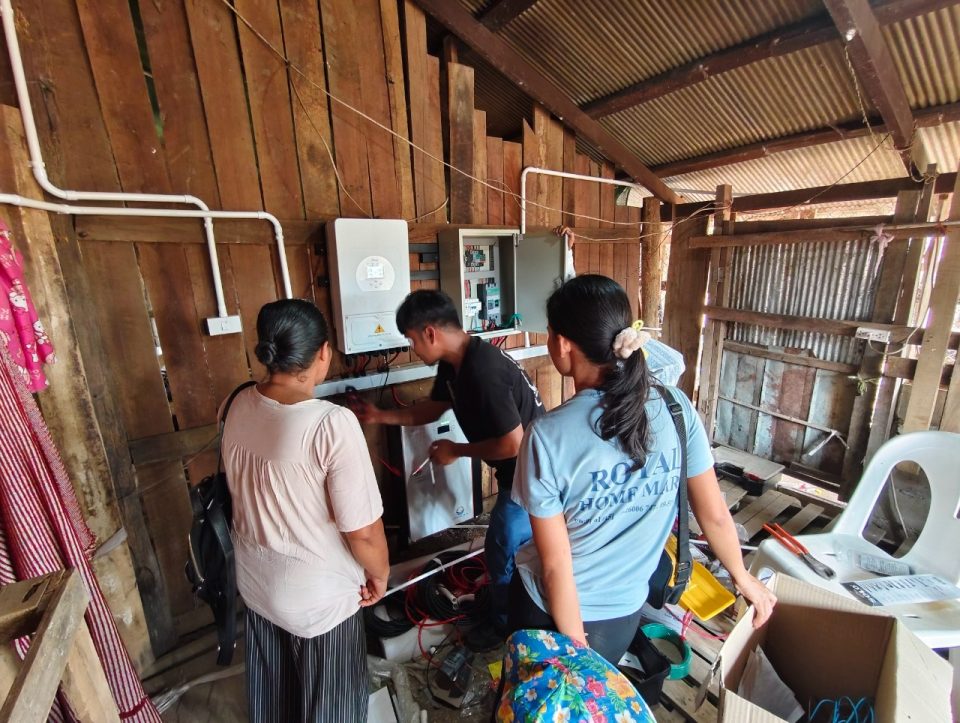
Solar installation at Maw Poe Kay High School. Photo from SunSawang

Thailand: A solar workforce stepping up to rising demand

Thailand’s clean energy transition is being shaped by rising LNG price volatility, government incentives, and growing demand for rooftop solar from both households and businesses.

In response to energy price pressures, the Thai government introduced tax exemptions for rooftop solar, expanded feed-in tariff quotas, and launched soft-loan programs to support solar adoption. The result has been a rapid nationwide increase in demand.

“They created a boom in demand for rooftop solar nationwide,” said Kotchakorn (Build) Khwamchareon, Head of Programs at NEX Thailand.

But as installations rise, so do concerns around quality and workforce capacity. A NEX Thailand survey in April for an upcoming solar installation training program in Phuket drew three to four times the inquiries it would have received before the energy crisis.

“The market really sees the demand,” Khwamchareon said. “We really need more people joining the entrepreneur setting for the solar workforce.”

To help address that gap, NEX Thailand has already trained 250 solar entrepreneurs through its SolarStep program, combining technical and business training. The organization is now partnering with Thailand’s Ministry of Labor to launch a train-the-trainer initiative to rapidly expand the country’s qualified solar workforce.

wavetra solar installation

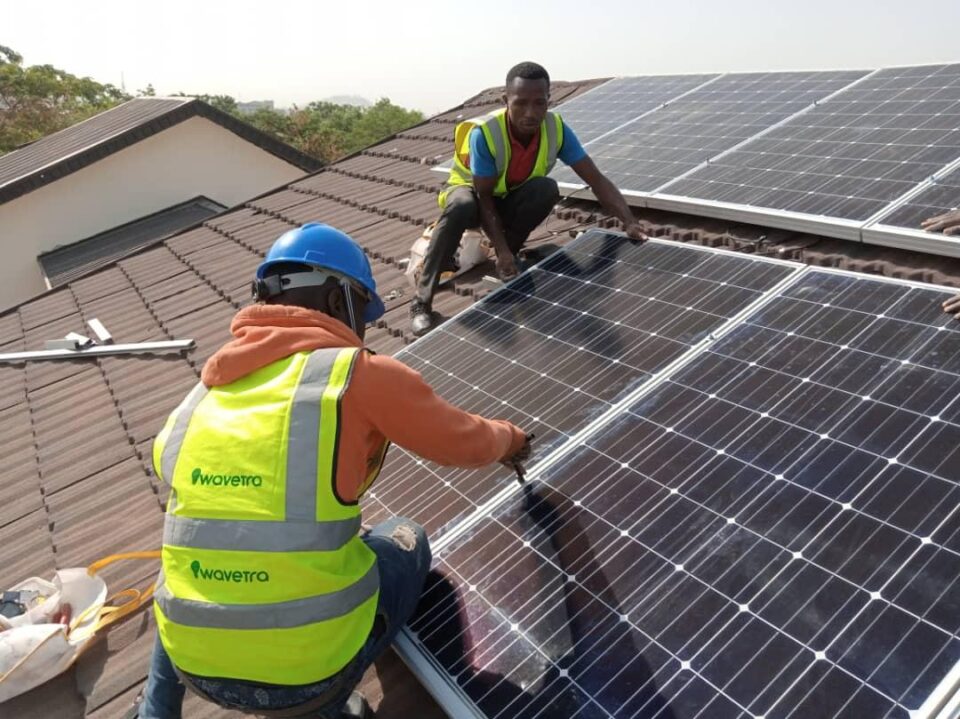
Solar installation in Nigeria.

Nigeria: SMEs taking control of energy generation

In Nigeria, clean energy is increasingly becoming a business survival strategy. The country faces one of the world’s largest energy access gaps, with 90 million people lacking access to electricity and many businesses relying on expensive self-generation to operate.

Meanwhile, Nigerian SMEs spend a significant share of their operating costs on diesel for generators, while commercial areas regularly experience daily outages of 12–18 hours.

“We’re not competing with the grid,” said Ifeoma Malo, CEO and Co-founder of Clean Technology Hub, NEX’s partner in Nigeria. “We’re actually competing with diesel generators.”

As electricity costs rise, businesses are increasingly turning to solar and decentralized clean energy systems to stabilize operations and reduce fuel expenses.

“SMEs are not waiting for the grid. They are building around it,” Malo said. “People now realize… they have absolute control over how they generate [energy].”

Through PREPARED (Programme for Renewable Energy Preparedness, Acceleration & Readiness for Entrepreneurs and Distributors), NEX and Clean Technology Hub are supporting Nigerian clean energy entrepreneurs with financing readiness, market access, technical assistance, and investor connections.

The program has already engaged with 47 clean energy startups and helped power over 9,400 households. By 2028, the initiative aims to reach an estimated 50,000 households with clean power.


Building the ecosystems behind the transition

In these four countries, entrepreneurs are approaching the transition in different ways. But the requisites for scaling their solutions are similar: financing systems, workforce development, policy coordination, supply chains, and local ecosystem support that enable clean energy businesses to grow sustainably.

That is the work New Energy Nexus is focused on globally. NEX is helping build ecosystems in 13 countries worldwide, enabling entrepreneurs to scale solutions at a national and even global scale.

“We have wonderful SMEs and entrepreneurs on the ground that are moving faster than the incumbents.” NEX CEO Andrew Chang said during the webinar. “They’re more agile, they can get to work faster. They can really have an immediate impact in the communities that they’re operating in.”

Whether you’re an entrepreneur ready to scale your solutions or a funder wanting to get more involved in the transition, learn more about our programs here.
You can also listen to the full webinar recording below.

Explore More
Story
California
Indonesia
Philippines
Thailand
Energy Access
These founders are building a just, people-centered energy transition

The International Day of Clean Energy is an annual reminder that the energy transition needs to be fast. But it also has to be fair; communities and livelihoods are at stake, and no one should be left behind.

Around the world, clean energy entrepreneurs are proving that the energy shift and social impact can go hand in hand. They are building solutions, training the next generation, and connecting technology to real needs.

Having backed over 10,000 entrepreneurs over the last two decades, we’ve seen this every day. From training local solar installers to deploying innovative cooling systems, supporting founders means helping ideas turn into tangible change that strengthens communities and powers a just, resilient clean energy future.

Here are a few examples:

1. Sunstruck Solar Solutions (Philippines)

Training the next generation of solar installers

After 22 years working on oil barges, Henry Cequina shifted to clean energy, founding Sunstruck Solar Solutions, which has installed over 7 MWp of solar power across the Philippines.

But Henry didn’t stop at deployment. He’s now partnered with New Energy Nexus Philippines’ New Energy Academy to strengthen both technical and business skills. Today, Sunstruck helps train the next generation of solar installers and entrepreneurs across the region, building local capacity while supporting the clean energy transition.

“What I saw as a big gap in Davao… is the lack of certified solar installers, and also the lack of training providers. What really made me decide to become a training partner… is to standardize installations here,” said Henry Cequina, founder of Sunstruck Solar Solutions, Inc.

By investing in skills alongside infrastructure, Sunstruck ensures the transition creates durable livelihoods rather than just megawatts.

henry cequina

Henry Cequina, founder of Sunstruck Solar Solutions, Inc., facilitating a New Energy Academy training session in Davao City, Philippines.

2. Volto SEA (Indonesia)

Cheaper, more efficient boat motors for fisherfolk

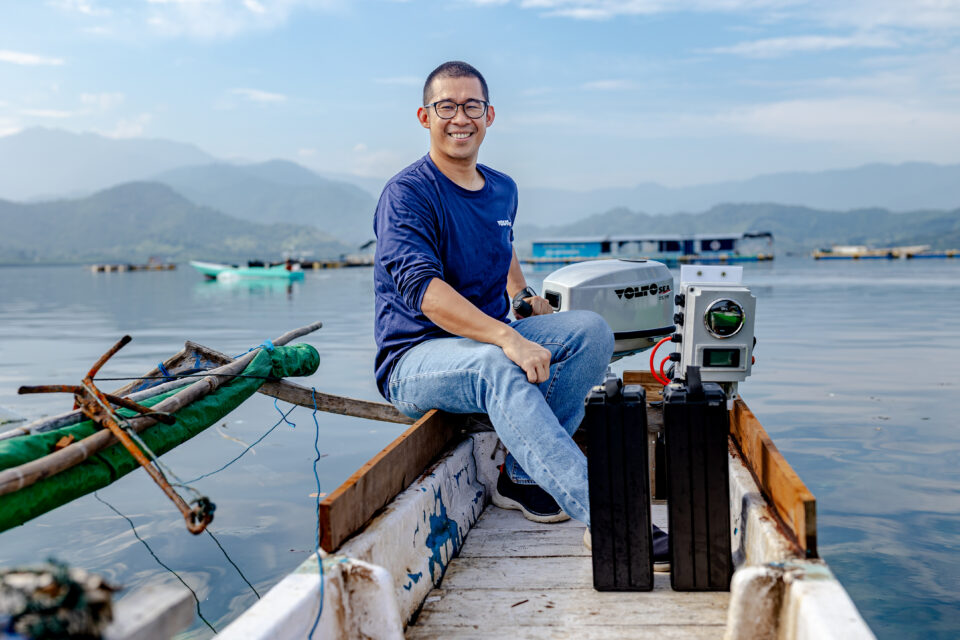
For fishing communities on Bungin Island, rising fuel prices and unreliable cold storage have long eaten into incomes. Volto SEA introduced electric outboard motors designed for small-scale fishers, lowering operating costs and protecting the marine environment.

“The sea is the heartbeat of life in Bungin [Island]. By replacing fossil fuel engines with electric motors, we’re not just offering innovation—we’re honoring the maritime way of life and supporting a more sustainable future,” said Yindy Kurniawan, CEO of Volto SEA.

Backed by New Energy Nexus Indonesia, Volto SEA demonstrates that clean energy can strengthen traditional livelihoods while supporting long-term resilience.

nex dilau pulau bungin sumbawa 0013

Yindy Kurniawan, CEO of Volto Sea, developed the electric outboard motor for Lelepa boats through a collaboration with New Energy Nexus. Photo by Mas Agung Wilis Yudha Bhaskoro

3. SunSawang (Thailand)

Empowering border communities with solar energy

Salinee Hurley, founder of SunSawang, has broken through the barriers faced by women entrepreneurs to deliver solar solutions to off-grid communities along the Thailand–Myanmar border.

SunSawang’s model empowers local families to adopt solar power sustainably, trains community members as technicians, and fosters long-term energy independence.

“Free installations may help in the short term, but the real goal is to empower people to access energy independently in the long run,” said Salinee Hurley, founder of SunSawang.

By centering communities and building local skills, SunSawang shows that equity and energy access go hand in hand. SunSwang is supported by New Energy Nexus Thailand through the SolarSTEP program

salinee hurley

Salinee Hurley. Photo from SunSawang

4. Community Energy Labs (United States – California)

Optimized heating and cooling for schools and public buildings

Buildings generate roughly 40 percent of global carbon emissions. Community Energy Labs, alumni of New Energy Nexus California’s CalSEED program, helps schools and public buildings cut energy costs with “self-driving” systems that continuously optimize heating and cooling.

“Our technology takes something that feels really hard to a lot of building operators… complex, expensive, and very frustrating… and turns it into a hands-off solution. It saves time, money, and hassle,” said Tanya Barham, CEO of Community Energy Labs.

Savings can flow back into communities, showing that climate action can support social priorities while cutting emissions.

community energy labs sonora elementary site visit 3

Community Energy Labs at Sonora Elementary.

Empowering entrepreneurs to lead the transition

Across sectors and geographies, these founders share a common thread: they build clean energy solutions that work for people. New Energy Nexus provides the training, mentorship, connections, and funding founders need to scale responsibly. Through accelerators, programs like the New Energy Academy, and access to global networks, we help turn bold ideas into real-world impact.

These stories show a clear lesson: the transition succeeds fastest when it is inclusive, grounded, and built with communities at its core.

Grow clean energy solutions with your community. Explore our programs and get support at join-nex.co/programs

Explore More
Story
Thailand
How entrepreneurs wrote Thailand’s clean energy story in 2025
As 2025 comes to a close, these highlights show how entrepreneurs backed by New Energy Nexus Thailand are shaping Thailand’s clean energy future, and what’s next.


img 9032

NEX Thailand Gratitude Dinner

Turning climate research into real impact

Thailand’s research community is full of untapped climate innovation. Through Climate Tech Lab to Market, the country’s first climate tech commercialization program, researchers transformed decarbonization-focused research into startups ready to scale.

Over 12 weeks, the inaugural cohort engaged customers, stress-tested assumptions, refined value propositions, and connected with corporates, investors, and venture builders locally and internationally.

By the time the cohort took the stage at Demo Day, they now had market-ready solutions spanning clean energy, industrial decarbonization and carbon capture, green buildings, sustainable mobility, and circular economy. Plus, they’re now part of the New Energy Nexus portfolio with clearer commercialization pathways and stronger networks.

If this year is any indication, Thailand’s climate tech space has a ton of potential, especially as the country’s net-zero goals become more urgent. What existing and aspiring founders need is structured support to bridge the gap from idea to impact.

doy02235

GBI ConNEX event

Advancing green buildings from pilots to market readiness

In 2025, the Green Building Initiative (GBI) focused on groundwork rather than scale, and that proved to be its strength. By bringing building owners, climate tech startups, and ecosystem partners into the same conversation early, GBI helped move green building solutions closer to deployment.

In its initial phase, the initiative secured commitments from three buildings to engage in upcoming pilot collaborations with startups from the NEX Thailand network. This established a clear proof-of-concept pipeline and signaled strong market readiness for green building technologies in Thailand.

Then, the first GBI ConNEX event brought public and private stakeholders together to unpack structural barriers, policy gaps, and market opportunities. Those discussions are now being shaped into practical policy recommendations to support future collaboration with government agencies and partners.

The insight here was not about speed, but alignment. When demand, technology, and policy conversations start together, climate solutions face fewer roadblocks down the line.

img 7859

SolarSTEP 2025

Building a skilled workforce for Thailand’s solar future

Thailand’s energy transition will only move as fast as the people driving it. This is why our SolarSTEP program is making sure the workforce at the core of this shift is up to the challenge.

Through trainings delivered with regional partners, the program equipped solar entrepreneurs and technicians with both technical expertise and business know-how. It also reinforced a critical truth. Inclusion strengthens the energy transition.

This year, SolarSTEP also marked a major milestone: the national approval of its Solar Entrepreneurship Curriculum by the Department of Skill Development under the Ministry of Labour. This formal recognition strengthened the country’s green workforce framework and sent a clear signal that clean energy skills matter.

Our takeaway? Investing in skills, leadership, and inclusion is not optional. It is essential infrastructure for a resilient clean energy sector.

decarbonize thailand (122)

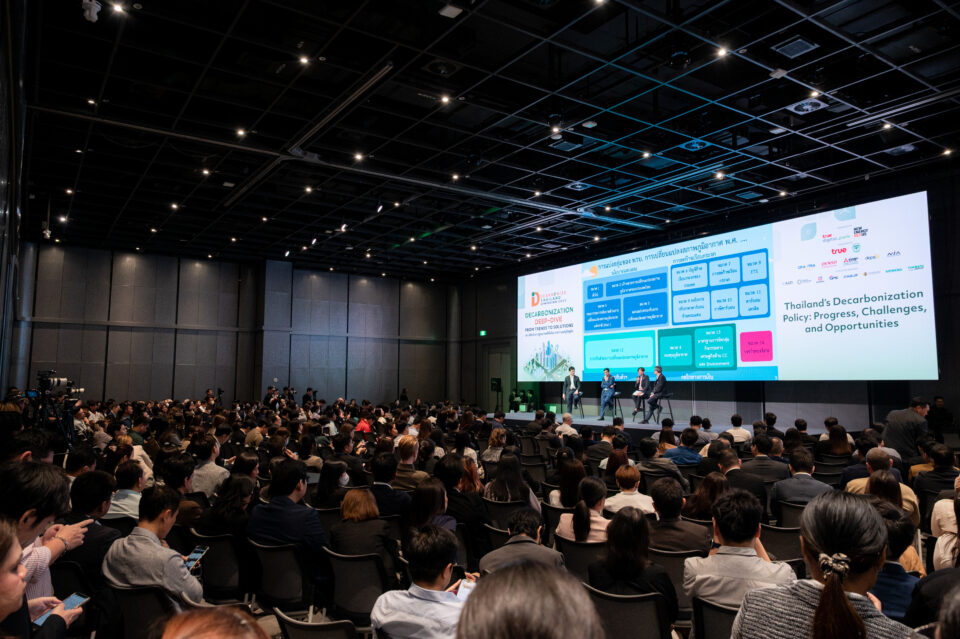
Decarbonize Thailand Symposium: Decarbonization Deep-Dive From Trends to Solutions

Connecting startups, corporates, and capital to decarbonize Thailand

This year’s Decarbonize Thailand Symposium was our biggest one yet. Over 30 climate tech startups showed up alongside corporates, investors, policymakers, and ecosystem partners, creating space for real conversations about deployment, pilots, and partnerships.

From geothermal energy and AI-powered energy management to circular battery materials, biochar, cooling technologies, and sustainable transport, the solutions on display reflected the breadth of Thailand’s innovation pipeline. The focus was not abstract net-zero goals, but practical use cases, measurable savings, and realistic pathways to scale.

While large-scale deployment is still unfolding, the symposium succeeded in its core purpose: aligning innovation with market demand and reinforcing startups’ role as key actors in Thailand’s decarbonization journey.

doy06858

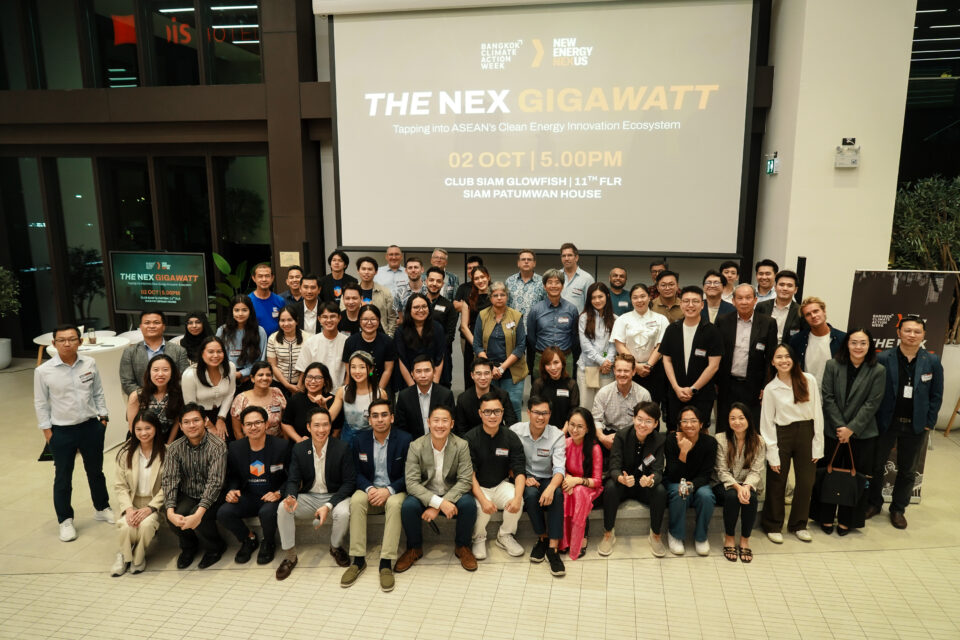
The NEX Gigawatt—a NEX-hosted gathering at the Bangkok Climate Action Week

Driving cross-border collaboration for climate impact

The first-ever Bangkok Climate Action Week positioned Thailand as a regional convenor for climate and clean energy collaboration – and it was an opportunity we couldn’t miss.

At three events we co-hosted and organized, we brought together entrepreneurs, investors, and leaders from across Asia to exchange insights, showcase solutions, and explore partnerships beyond borders.

For Thai founders, this mattered. Cross-border dialogue opened new pathways to scale, learn from neighboring markets, and apply solutions in diverse contexts. For both the local ecosystem and the wider region, it showcased Thailand as a hub for Asia’s clean energy transition.


What we learned this year

Looking back, 2025 was not about a single breakthrough, nor about a finished story. It was about building momentum through relationships, trust, and consistent support for entrepreneurs willing to take risks.

As Jirapat Horesaengchai, Country Manager at New Energy Nexus Thailand until October 2025, put it:

“The role of New Energy Nexus Thailand is to facilitate the whole process of different stakeholders coming together… and grow the ecosystem for clean energy entrepreneurs.”

By backing entrepreneurs with capital, skills, and connections, and by strengthening the ecosystems around them, New Energy Nexus Thailand is helping shape a cleaner, more sustainable future that benefits the country economically and ecologically. That is what we set out to do this year, and what we’ll continue to do through 2026 and beyond.

Want to be part of it? Explore our programs and stay close to opportunities shaping Thailand’s clean energy future.

Explore More

DTS 2025 – Summary Report

August 8, 2025
Story
Thailand
Energy Access
Women
Thailand’s clean energy transition must have more women at the table

The clean energy transition is our chance to build a fairer future, yet women are still missing from the table. Around the world, only 15% of clean energy leadership roles are held by women.

Even in Thailand, a leader in the Asia Pacific region when it comes to women’s leadership in the energy sector, women occupy just 23% of leadership positions.

But when women are at the helm, the impact speaks for itself.

salinee hurley

Salinee Hurley. Photo from SunSawang

Salinee Hurley is proof that inclusive leadership powers inclusive solutions. A mechanical engineer specializing in solar, she founded SunSawang: a social enterprise bringing solar home systems and lanterns to off-grid villages along the Thailand–Myanmar border. She is also the Project Director at the Border Green Energy Team (BGET), an organization advancing clean energy access in the region.

Salinee’s journey into solar began when she pursued further studies in solar engineering in the United States. Returning to Thailand, she initially implemented solar projects through an NGO model, using grant funding to provide free installations in remote areas. Over time, she realized the approach lacked long-term sustainability.

To address this, Salinee transitioned to a social enterprise model, offering long-term payment plans that support both ongoing maintenance and local ownership.

“Free installations may help in the short term, but the real goal is to empower people to access energy independently in the long run,” she said.

line album ติดตั้งระบบโซล่าเซลล์ maw poe kay high school 250312 43

Solar installation at Maw Poe Kay High School. Photo from SunSawang

SunSawang now trains and hires local technicians and sales agents to serve their own communities. This localized model not only keeps systems functioning, but also supports economic activity—access to reliable electricity allows for evening work like weaving, increasing household income.

Salinee’s work also highlights the systemic barriers that persist in Thailand’s solar landscape: high upfront costs, inconsistent regional regulations, and limited financing options for low-income households. Recent steps, including draft laws to simplify rooftop solar permitting and new green loan products, are promising, but access remains uneven.

Last year, she joined New Energy Nexus Thailand’s SolarSTEP initiative, where she shared her expertise and connected with other women leading the shift to a cleaner energy future.

line album ติดตั้งระบบโซล่าเซลล์ maw poe kay high school 250312 5

Solar installation at Maw Poe Kay High School. Photo from SunSawang

Supporting women leading the way

SolarSTEP is designed to build skills and leadership among solar technicians and entrepreneurs, with a focus on women, to help accelerate Thailand’s clean energy transition.

This work is spurred on by Thailand’s ambitious target to reach 12,139 MW of solar capacity by 2037, as outlined in its Alternative Energy Development Plan (AEDP). Hitting this target will take more than policy; it requires investing in people, empowering women, and expanding access to rooftop solar across the country.

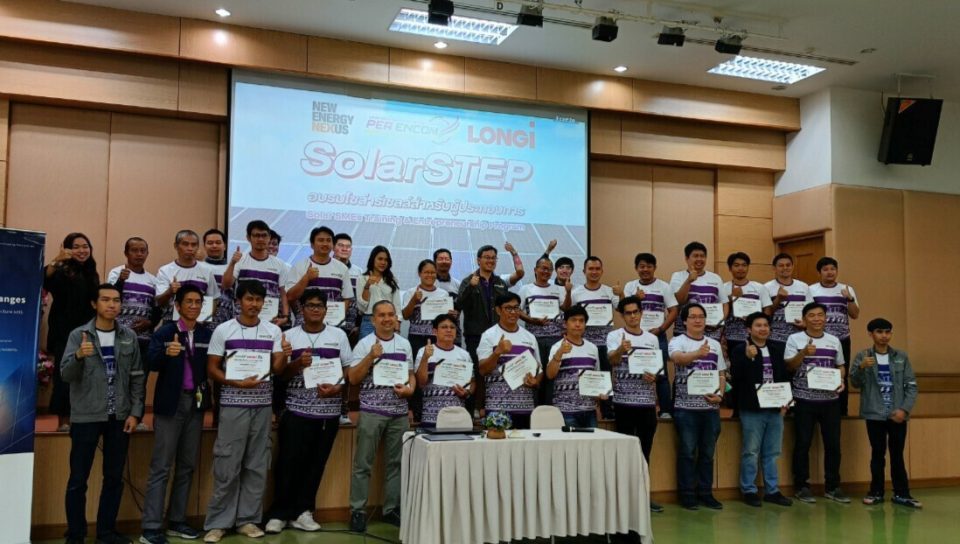
This is where SolarSTEP comes in. The program has already delivered seven trainings across Thailand’s Central, Northern, and Southern regions, reaching over 200 participants. These efforts have been strengthened through collaboration with key partners, including PEA Encom Smart Solution, PEA Encom International, and LONGi.

solar1 edited

Photo of the SolarSTEP 2024 Training program participants, including Salinee Hurley.

Looking ahead, we’re focused on scaling impact, broadening solar access, and building a sector that mirrors the diversity of the communities it serves.

If we want a just and resilient clean energy future, we need to break down the barriers that keep women on the sidelines and back those already leading the way. Empowering more women to participate and lead in clean energy isn’t just the right thing to do—it’s the smart thing to do.

Want to be part of building an inclusive clean energy sector in Thailand? Learn more about our work here.

Explore More

Thailand climate tech startup guide

June 11, 2025
Story
Thailand
Is Net-Zero in Thailand possible? These climate startups are proving it is

The clean energy transition requires new ideas for deploying existing tech, especially in emerging markets such as Thailand. And startups are ready to take on the challenge.

At the Decarbonize Thailand Symposium 2025, co-hosted by New Energy Nexus Thailand and True Digital Park, 37 startups from around the world showcased breakthrough technologies that could drive the country’s clean energy future.

These nine startups represent some of the most promising clean energy and climate solutions across Asia and beyond – with fresh ideas, unique technologies, and growing relevance to New Energy Nexus’ mission of driving decarbonisation and accelerating the adoption of clean technologies.

decarbonize thailand (237)

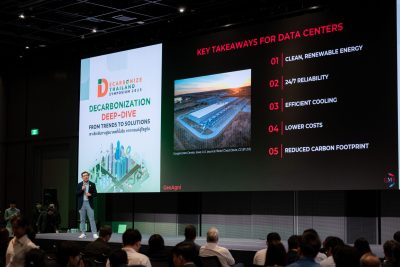
GeoAgni presenting at the Decarbonize Thailand Symposium 2025.

GeoAgni (Thailand)
Harnessing Thailand’s geothermal energy potential

GeoAgni is a geothermal power plant developer specializing in closed-loop systems that provide 24/7 stable, clean energy. Their scalable, low-impact technology supports Thailand’s energy security and carbon neutrality goals, offering a commercially viable solution for sustainable, locally produced renewable energy in industrial and grid applications.

skycool systems inc cover

Photo from Skycool’s website

SkyCool Systems (US)
Changing the game for urban cooling

SkyCool is the first in the world to develop a passive radiative cooling film that can keep any surface 5° to 8°C below the ambient temperature, just by being outside and under the sky. The film eliminates solar heat gain, reduces heating, ventilation, and air conditioning (HVAC) energy costs, and creates ‘cool’ islands in cities.

decarbonize thailand (673)

Climind presenting at the Decarbonize Thailand Symposium 2025.

Climind (Hong Kong)
AI-powered carbon analysis

Climind is an AI platform for sustainability, offering enterprise-level search, ESG and climate report analysis, content generation, and carbon trading insights. It integrates corporate climate data, enhancing efficiency and decision-making. Through precise search, automated reporting, and AI-driven regulatory analysis, it aims to advance climate research, predict patterns, and drive low-carbon transformation.

tie ai clound platform

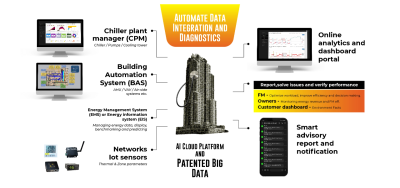
Image from T-Smart’s website

TIE Smart Solutions (Thailand)
AIoT-driven energy savings across Thailand

T-Smart is a tech-driven energy solutions startup specializing in Artificial Intelligence of Things (AIoT)-powered energy management for buildings and factories. They provide various technologies that help clients achieve up to 20 percent in energy savings while enhancing sustainability, operational efficiency, and long-term performance across Thailand.

4pyk16yudqfqfgwyvohiqduws

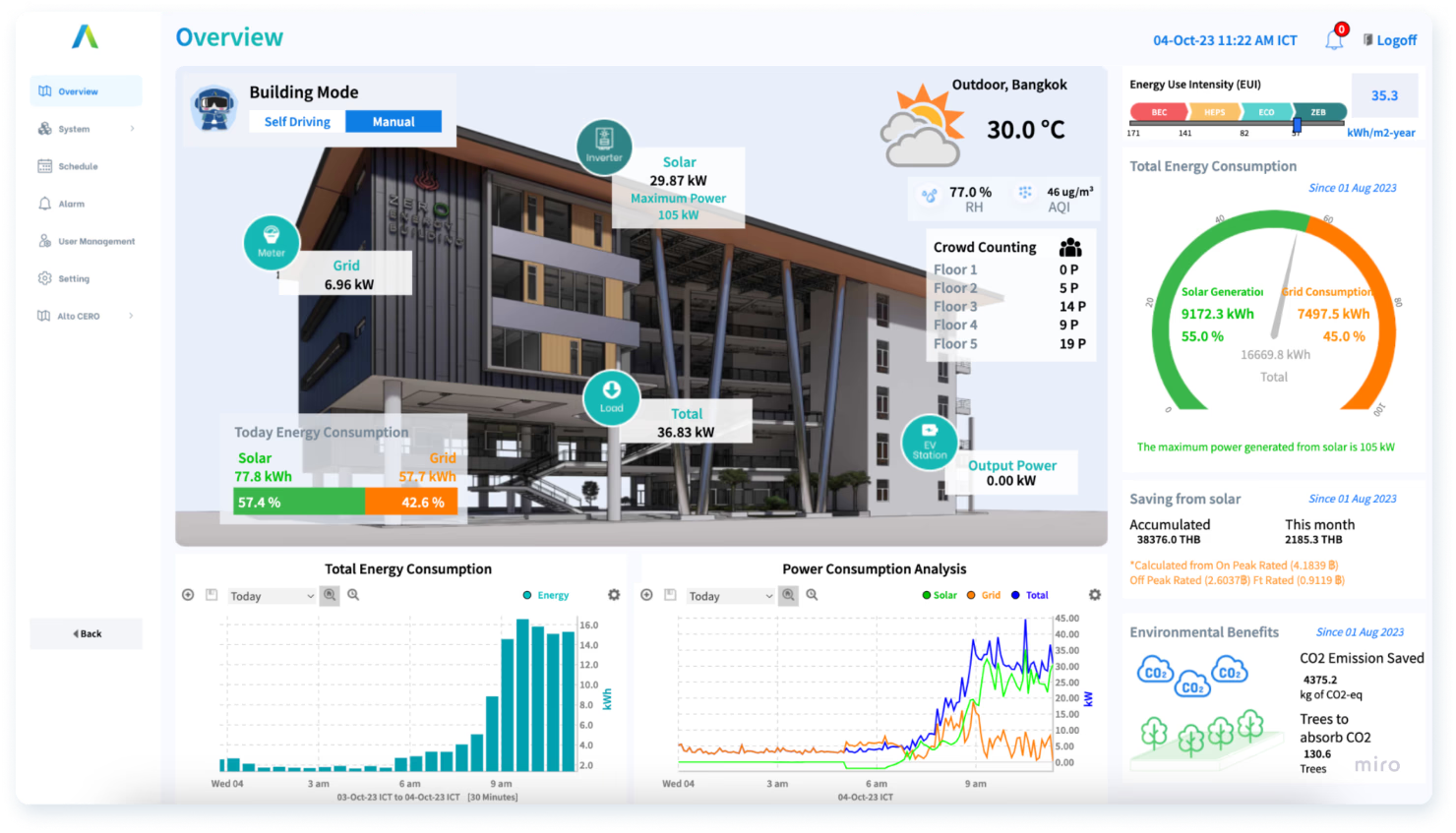
Screenshot of the Alto CERO system for buildings. Image from Altotech Global’s website.

AltoTech Global (Thailand)
Lower carbon, energy costs through AI algorithms

AltoTech’s Alto CERO system helps hotels, buildings, and factories to effectively consume energy and cut carbon emissions with Internet of Things (IoT) and AI algorithms. Their technology promises users can save up to 40 percent in energy costs, reduce their carbon footprint by 40 percent, and expect an attractive payback period of less than 3 years.

decarbonize thailand (258)

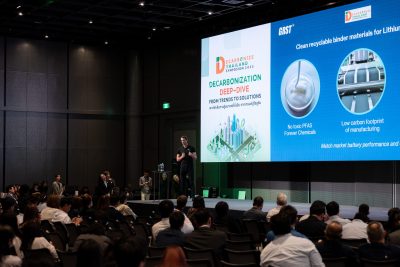
GRST presenting at the Decarbonize Thailand Symposium 2025.

GRST (Hong Kong)
Safer binder materials driving battery circularity

GRST (Green Renewable Sustainable Technology) makes eco-friendly lithium-ion binder materials, which remove toxic PFAS or “forever chemicals” from lithium-ion batteries and make them easily recyclable in water. Their binder materials match industry performance and cost across all lithium-ion battery types, integrate easily into existing battery production, and are proven at commercial scale in their 1 GWh battery factory. They aim to become the global standard for eco-friendly binder materials, enabling clean circular battery production.

decarbonize thailand (684)

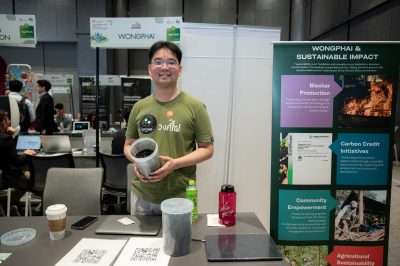
Wongphai’s booth at the Decarbonize Thailand Symposium 2025.

Wongphai (Thailand)
Reducing carbon pollution through biochar

Wongphai is a sustainability solutions provider, transforming agricultural waste into accessible wealth. Contrary to the tradition of burning bamboo offcuts, Wongphai instead turns them into biochar or organic charcoal, eliminating potential carbon emissions. This biochar not only increases soil quality and crop yield, but also reduces methane emissions when used in septic ponds for pig farms. Through this regenerative agricultural solution, the startup aims to empower communities and drive a circular economy in the country.

decarbonize thailand (259)

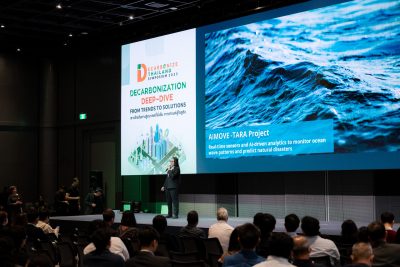
AIMOVE-TARA Project presented at the Decarbonize Thailand Symposium 2025.

AIMOVE-TARA Project (Thailand)
AI system aiming to unlock wave energy potential

This project is developing a real-time sensor and AI-driven analytics system, which monitors ocean wave patterns—data that can be widely used to calculate the energy potential of ocean wave power. This supports the future development of green energy generators and allows for the accurate prediction of natural disasters, like tsunamis and other related events.

decarbonize thailand (528)

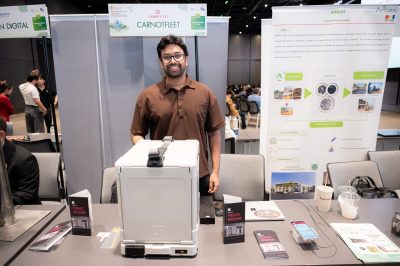
Carnotfleet’s booth at the Decarbonize Thailand Symposium 2025.

Carnotfleet (Singapore)
De-risking transport cooling systems

Carnotfleet’s plug-and-play cold chain system provides temperature control for transport and logistics. These products can be installed in existing non-refrigerated vehicles, turning them into temperature-controlled units in minutes with no upfront cost. These units are then controlled, optimized, and monitored with data connected to the cloud. The technology de-risks the cold chain and minimizes the business and environmental impacts of loss due to human error.


Entrepreneurs in Thailand and beyond are brimming with ideas. Imagine the possibilities when a strong ecosystem is backing them up, providing them with the connections and resources they need to take the next step.

This ecosystem-building work is what we do best at New Energy Nexus. Our Thai team organized this event intending to cast a global net on climate and clean energy innovators—in total, over 500 participants from various sectors converged in Bangkok to exchange insights on decarbonization and build relationships in the field.

From here, they will be part of a massive, global community of like-minded startups, industry experts, and potential investors, giving them new pathways to scale their business to a wider market.

Find out more about our work in Thailand.

Explore More