Philippines
Renewable energy tech
How to accelerate small-scale rooftop solar in the Philippines

solar blog thumb

The Philippines, with its abundant sunlight and growing energy demands, is perfectly poised to harness the power of rooftop solar (RTS). RTS is an ideal way to address the pressing issues of energy access, security, and affordability in the country. As the shift to clean energy accelerates, the Filipino rooftop solar industry’s journey offers valuable insights into both the potential and the challenges of scaling clean energy—and why it’s important to support entrepreneurs venturing into this space.

Why does the Philippines need rooftop solar?

Rooftop solar holds immense promise as a decentralized energy solution. For a country like the Philippines, where energy costs are high, outages are frequent, and rural areas often suffer from lack of access, RTS provides a clear pathway toward a more secure and affordable future. Unlike large power plants that require significant infrastructure and investment, rooftop solar systems are scalable and relatively simple to deploy. This makes them particularly attractive to homes and businesses seeking to reduce energy costs, while contributing to the country’s renewable energy goals.

From beginnings to growth

The RTS industry in the Philippines started small in the early 2000’s, steadily growing through supportive policies such as the Renewable Energy (RE) Act of 2008 and the introduction of net metering. As of 2024, the net metering program has enabled over 9,000 qualified end-users to connect their systems to the grid, allowing consumers to sell excess electricity back to the utility.

Organizations like the Philippine Solar and Storage Energy Alliance (PSSEA), Renewable Energy Association of the Philippines (REAP), and the Association of Solar Installers of the Philippines (ASIP) have emerged as key players in promoting solar adoption. These industry associations advocate for better policies, provide training, and foster a sense of community among stakeholders, driving the sector forward.

rooftop solar 2

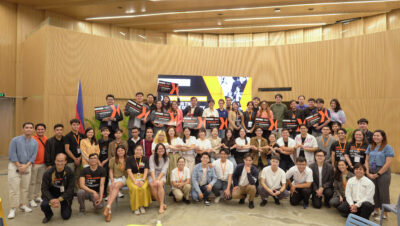
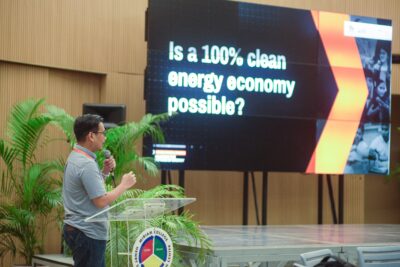
Photo from the Davao Solar Community Meetup Event in May 2024, a gathering of solar installers, companies and stakeholders in the Davao Region.

Challenges in scaling rooftop solar

Despite these promising developments, RTS still faces significant hurdles, particularly when it comes to scaling beyond Metro Manila. Today, only a small fraction of the country’s rooftops are outfitted with solar panels, leaving a massive untapped market.

One of its key barriers to growth is the fragmented implementation of policies across different regions. The roles of government agencies and implementing bodies remain unclear and inconsistent, leading to delays and miscommunications. Furthermore, product standards are lacking, which leaves room for subpar equipment to enter the market. This also hampers the industry’s reputation and undermines consumer confidence.

Financing is another major obstacle. Many small- to medium-sized installers struggle to secure affordable financing options, limiting their ability to expand. The fragmentation of players within the industry exacerbates these problems, as knowledge sharing between companies is limited. This also hinders collaboration with government agencies, resulting in a missed opportunity to refine policies and improve the business environment for rooftop solar.

Unlocking the potential of rooftop solar MSMEs

At the heart of addressing these challenges lies the empowerment of micro, small, and medium enterprises (MSMEs) within the rooftop solar sector. Solar installers, particularly those in the countryside, play a critical role in bridging the energy access gap. In rural areas, where the need for secure and affordable energy is even more pronounced, these small-scale businesses are essential.

By equipping MSMEs with the tools to understand the importance of service quality, the potential for competitive advantage, and the value of strategic partnerships, we can enable these companies to scale their operations. This would accelerate the adoption of rooftop solar in underserved areas, creating a ripple effect of benefits for both the industry and the communities they serve.

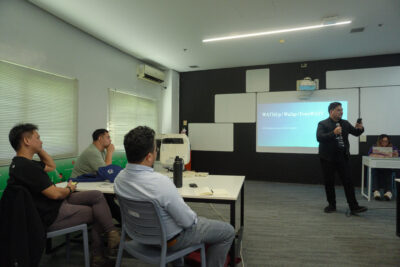
To this end, New Energy Nexus—the only non-profit clean energy accelerator in the country—has been supporting small solar businesses through initiatives such as the Solar Innovation Program. Beginning in 2021, the annual program provides players in the space with seminars, learning sessions, and workshops to enhance their competitiveness in the evolving Filipino energy sector.

rooftop solar 1

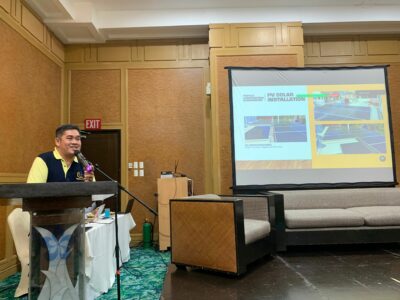
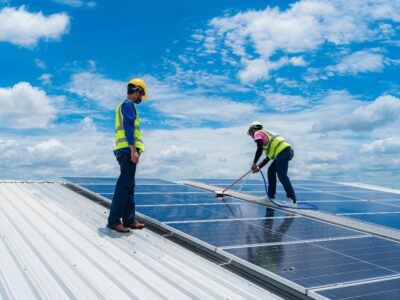
Photo from the Solar Innovation Program 2024

Join us in scaling rooftop solar in the Philippines

The future of rooftop solar in the Philippines is bright, but it requires the collective effort of stakeholders across the energy ecosystem. At New Energy Nexus, we are committed to supporting MSMEs in the rooftop solar sector, providing the resources, training, and connections they need to grow and thrive. By working together, we can overcome the barriers to scaling rooftop solar and unlock the immense potential that this technology holds for our country.

If you’re a solar installer, policymaker, or investor interested in contributing to the clean energy future of the Philippines, we invite you to join us in this mission. Let’s build a more sustainable, energy-secure future, one rooftop at a time.

Learn more here.


Brenda Valerio is the country director of New Energy Nexus Philippines.
Explore More
News
Philippines
Built Environment
Six-fold increase in Filipino clean energy startups since 2020, but support ecosystem needs to catch up

Makati City, Philippines, 18 September 2024 — The Philippines currently has 91 clean energy and climate startups, representing a six-fold increase since 2020 (from 15), according to a new report, It takes a village: Growing an ecosystem to support Philippines’ clean energy startups, from New Energy Nexus. Of these startups, 18 have raised almost US$1.3 million.

“The Filipino clean energy innovation ecosystem has shown huge progress and promise in the past years, but the nascent space runs the risk of stalling because of lack of access to networks, funding, testing facilities, and skills training,” said Brenda Valerio, Country Director at NEX Philippines. “Local entrepreneurs are best placed to understand how to deploy solutions in their communities and transition our economy more equitably to clean energy. It really does take a village to build and deploy these solutions.”

The study also found that while these startups are mostly in Metro Manila (34.1%), entrepreneurs from Northern Mindanao (14.5%) and CALABARZON (16.5%) are carving up space in the industry.

1 v2

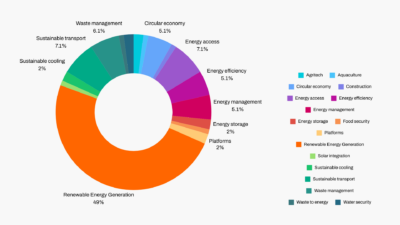
Industries for climate and clean energy startup companies and enterprises

Nearly half of startups (49%) are in the renewable energy generation sector, while others are in the sustainable transportation / e-mobility sector,  energy access sector (both at 8%), and waste management (7%).

These developments are due in part to more opportunities for clean energy businesses to scale, with over 100 national energy policies and incentives easing the burden on entrepreneurs, increasing opportunities in the private sector, and incubator and accelerator programs run by organizations such as New Energy Nexus—which is still the only non-profit clean energy accelerator in the country. New Energy Nexus has directly supported over 90 percent of these startups since 2019.

Despite significant progress, the report outlines how public, private, and advocacy stakeholders can build an innovation ecosystem to support more thriving startups and accelerate the adoption and deployment of clean energy innovation.

  • Among the gaps seen are in the public sector. Unstreamlined bureaucratic processes, lack of resources at the local level, and potential policy changes make it tough for many entrepreneurs to access the funding and incentive programs that the government provides. There is also a lack of research, testbeds, and facilities in the country that could accelerate the development of clean energy technologies.
  • Another concern is private investments. Of the US$ 1.3 million in funding mentioned above, only 13 percent came from private loans and investments. Furthermore, some startups require substantial upfront investment,  yet many are not ready to meet the demand of managing large capital injections. This is where support from the private sector, government, and nonprofits is required—beyond early-stage funding, startups need to access venture capital and growth-stage funding in order to scale and access new markets.

“In my observation, most startups are not yet ready for the type of funding that’s currently available. We have to recognize that many of these companies are still at an early stage in their development,” said Rachel Santiago-Sacro of venture fund Clime Capital, which invests in sustainability and clean energy ventures. “It’s crucial that we provide support at every stage of a startup’s journey, not just when they’re ready for significant investment.”

  • On the scarcity of capital, the report recommends experimenting with diverse funding mechanisms and de-risking strategies to create a more investor-friendly environment for both institutions and innovators. These include public-private partnerships, venture capital, and crowdfunding, which could boost financial support for energy innovation in the country.

Furthermore, the report calls for streamlining regulatory processes for ease of business, enhanced support on market access, integration of energy innovation and entrepreneurship topics in academic curricula, and fostering a community of various stakeholders to facilitate mutual learning.

“Many of these gaps could be filled by addressing fragmentation in the clean energy sector,” Valerio said. “Instead of working independently, government agencies, think tanks, and non-government organizations must collaborate to make processes more efficient for startups and to catch up with the country’s growing startup space.”

Media contacts:

Dan Lacsamana
Partnerships Associate, New Energy Nexus Philippines
danielle.lacsamana@newenergynexus.com
(based in Mandaluyong City)

Maverick Flores
Senior Content Producer, New Energy Nexus
maverick.flores@newenergynexus.com
(based in Quezon City)

About New Energy Nexus

New Energy Nexus (NEX) is an international organization that strives towards a 100% clean energy economy for 100% of the population. It does this with a laser focus on diverse entrepreneurs, supporting them with accelerators, funds, skills, and networks they need to thrive. NEX has accelerated 1,500+ startups, empowered over 10,400+ entrepreneurs, and mobilized over US$4.7 billion in investment. Since its founding in California in 2004, NEX now operates programs or advisory services in Australia, China, India, Indonesia, Nigeria, Pakistan, the Philippines, Thailand, the UAE, Uganda, the USA (California and New York), and Vietnam.

Follow NEX on LinkedIn, X, Facebook, and YouTube

About New Energy Nexus Philippines

Since 2019, our programs in the Philippines have supported almost 1,000 entrepreneurs through accelerators, training, and networking opportunities. We have supported over 90% of the country’s clean energy and climate startups across all regions to scale and innovate on their solutions.

NEX Philippines Clean Energy Ecosystem Report 2024

September 17, 2024