Story
Philippines
Renewable energy tech
Building green jobs in the Philippines: Mindanao solar trainer gets national recognition

A new milestone in green jobs training has placed Mindanao at the forefront of solar workforce development: Woodrow Solar Power Philippines, a training partner of the New Energy Academy, has become one of the first solar companies in Mindanao to secure the Certificate of TVET Program Registration (CTPR) under TESDA’s Enterprise-Based Education and Training (EBET) program.

TESDA’s EBET program ensures that private training providers like Woodrow Solar Power align with national standards, enabling graduates to receive credentials that carry industry-wide recognition and greater employment opportunities.

The awarding ceremony was witnessed by leaders from the Department of Labor and Employment (DOLE) and the Technical Education and Skills Development Authority (TESDA), underscoring the government’s commitment to building a stronger clean energy workforce.

83adacf0 cc28 4b2e a243 279748906db6

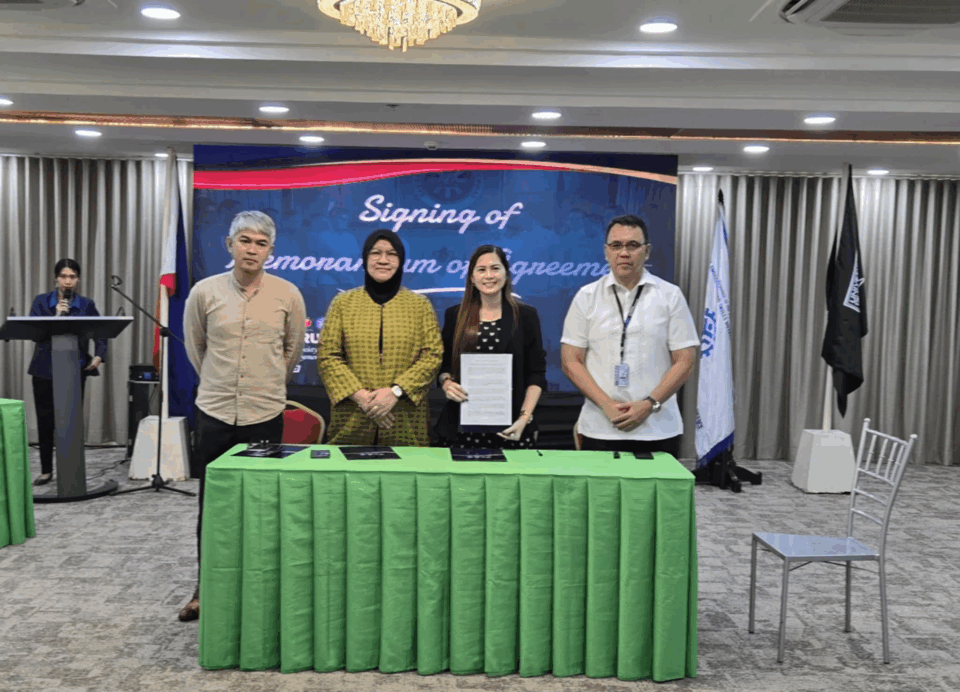
(From left to right) Atty Russel A. Jallorina, Asst. Regional Director DOLE-IX; Tarhata S. Mapandi, CESO III, Regional Director, TESDA IX; Ms. Manie Pino, Co-owner of Woodrow Solar Power; Engr. Alan T. Bacatan, Asst. Regional Director / Provincial Director PO-Zamboanga del Norte, during the signing of Memorandum of Agreement.

Partnership with New Energy Academy

Since January 2024, Woodrow Solar Power has been a training partner of the New Energy Academy – a learning platform powered by New Energy Nexus, GSES, and OpenSolar. New Energy Academy collaborates with solar companies across the Philippines to deliver blended solar training: online courses that cover the fundamentals of solar technology and business, combined with localized hands-on training delivered by partners such as Woodrow.

img 1245

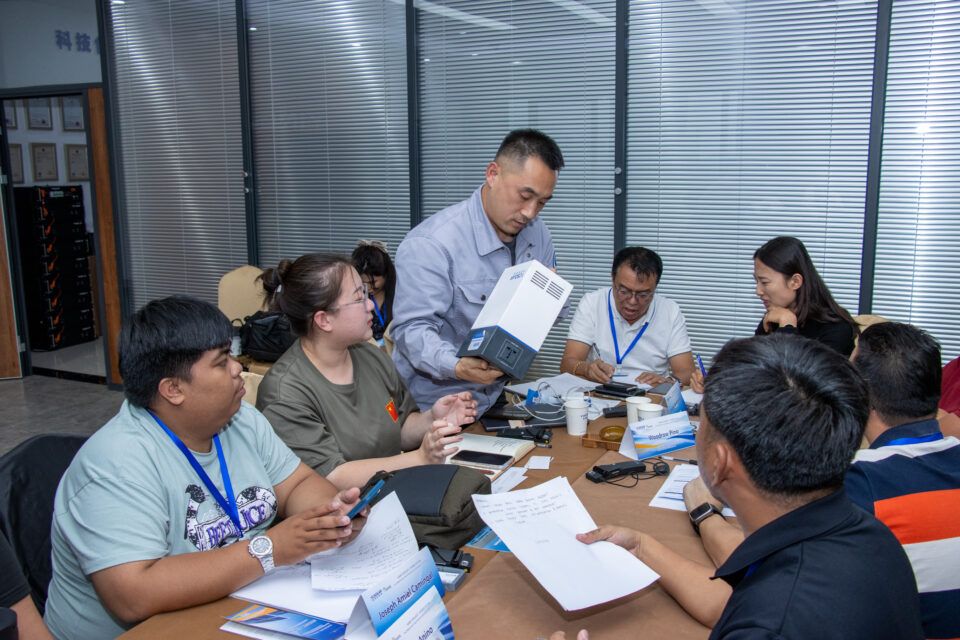
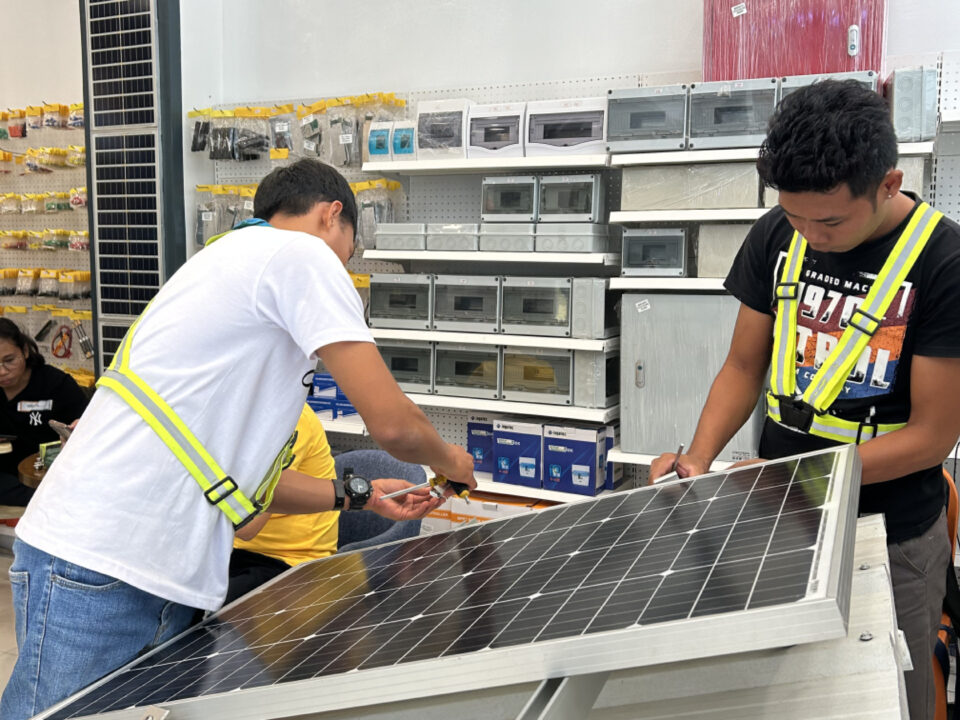
Woodrow Solar Power Philippines x New Energy Academy Solar Training Program Batch 1 – Hands-on Practical Training

This partnership allows learners in Mindanao to benefit from both global best practices and real-world industry experience. Under the leadership of Engr. Woodrow Pino, Woodrow Solar Power has conducted training programs since February 2024, producing 12 batches of graduates who are equipped with job-ready skills.

TESDA accreditation validates the quality of Woodrow Solar Power and New Energy Academy’s training. With the TESDA seal now featured on every graduate’s certificate, participants gain professional credibility, higher employability, and greater mobility within the solar industry. Beyond recognition, this milestone positions Woodrow to potentially become a TESDA-accredited assessment center, further strengthening its role in certifying the next generation of solar workers.

Milestone for Mindanao

By securing TESDA CTPR accreditation, Woodrow Solar Power sets a precedent for renewable energy training providers in Mindanao. The recognition validates years of effort to professionalize solar training and empower local communities with skills critical to the country’s energy transition.

img 1245

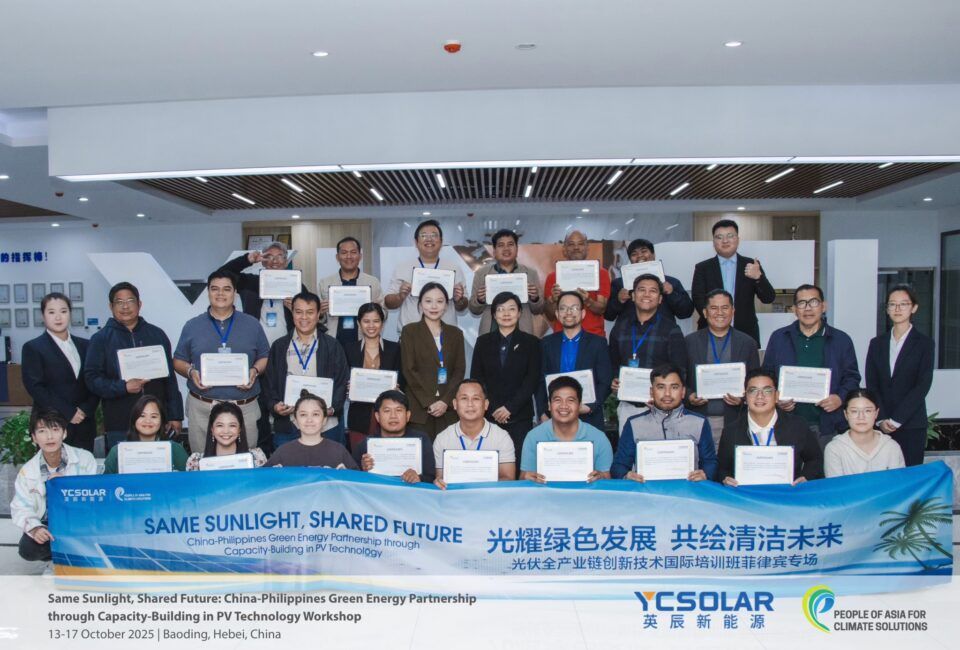
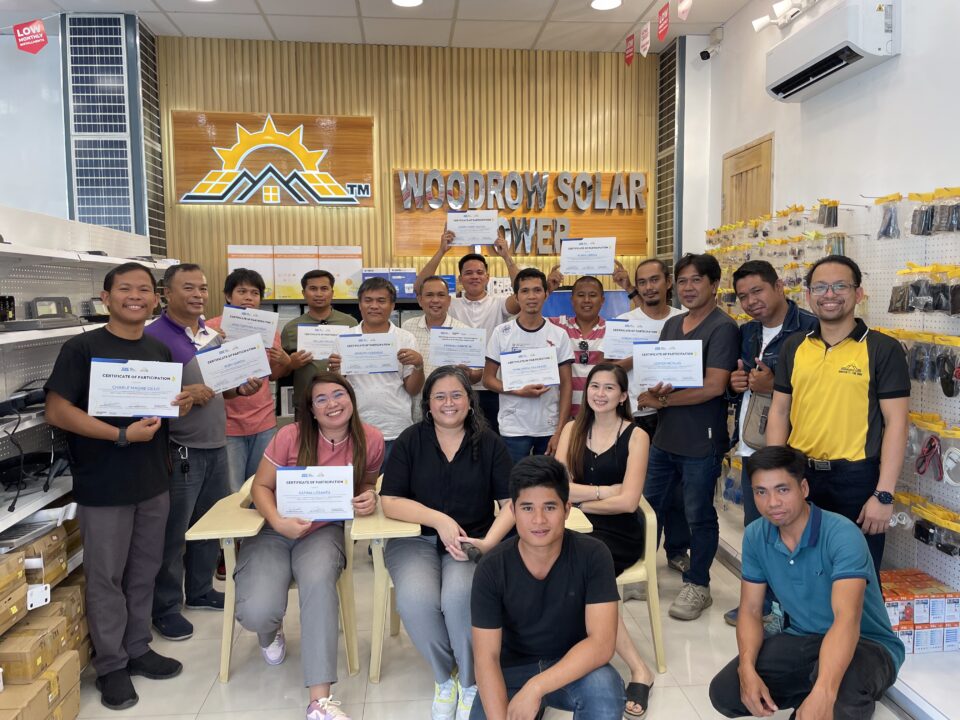
Woodrow Solar Power Philippines x New Energy Academy Solar Training Program Batch 2 graduates

With TESDA’s support, New Energy Academy’s nationwide training ecosystem, and a growing pool of skilled graduates, the Woodrow Solar–NEA partnership is poised to strengthen its role as a leader in solar training. Their journey reflects a shared mission – to accelerate the energy transition by equipping Filipinos with the knowledge, experience, and skills needed to thrive in the solar industry.

New Energy Nexus builds ecosystems worldwide to support clean energy entrepreneurs, helping them scale through mentorship, connections, and access to capital. Through the New Energy Academy, we are not only developing a pipeline of new innovators and bridging the skills gap in renewables, but also transforming ideas and industry interest into real-world impact.

The energy transition is gaining momentum in the Philippines and across the globe, with clean energy innovators driving change at the frontlines. Having supported more than 10,000 entrepreneurs already, we’ve seen firsthand what’s possible when vision meets opportunity. With initiatives like the New Energy Academy, we’re preparing even more changemakers to lead the charge toward a future powered by 100% clean energy for all.

Want to get involved? Check out more inspiring stories and opportunities in the Philippines here.

Explore More

Small Money, Big Change

September 29, 2025
Southeast Asia
Energy for Agriculture
Renewable energy tech
Women
IFC and NEX select 26 women-led startups to drive climate innovation across Southeast Asia

Hong Kong, September 9, 2025 – Twenty-six women-led climate startups from Indonesia, Vietnam, Thailand, the Philippines, Cambodia, Malaysia, and Myanmar have been selected to join a global fast-track investment readiness initiative led by the International Finance Corporation (IFC) and implemented in Southeast Asia by New Energy Nexus (NEX).

Supported by the Governments of Canada and Australia, the She Wins Climate accelerator helps women entrepreneurs to overcome funding barriers and scale their businesses. The program connects entrepreneurs with climate investment opportunities through mentorship, pitch coaching, investor networks, peer learning, and a global community platform.

Sarah Twigg, IFC Gender and Inclusion Lead, Asia Pacific said “Across Southeast Asia, women-led climate startups are tackling some of the region’s most pressing environmental challenges with ingenuity and grit. The She Wins Climate accelerator will amplify women’s businesses, connect them with investors, and unlock the transformative climate innovation the region urgently needs.”

The selected startups operate in diverse climate sectors, including: adaptation and resilience, buildings and urban infrastructure, circular economy and waste management, climate and environmental data, food and agriculture, renewable energy and generation, water and ocean.

According to Crunchbase, less than 7% of global climate tech venture funding in Q1 2023 went to women founders – likely even lower in Southeast Asia, where data remains incomplete.

“Women-led climate startups have the potential to drive transformative change, yet they face systemic barriers, including limited funding and restricted access to networks, ” said Thao Tran, Country Director at New Energy Nexus Vietnam.

The 26 women entrepreneurs were announced today during the Climate Business Forum: Asia Pacific – co-organized by IFC and the Hong Kong Monetary Authority as the cornerstone event of Hong Kong Green Week – following a highly competitive selection process.

Meet the participating women-led startups:

  • Agro Agape Co,.Ltd: Providing resource input for solutions in the coffee supply chain and transforming agricultural waste into energy for processing.
  • BeCool Indonesia: Developing an affordable and scalable solution of solar-reflective coatings to reduce heat and energy use in tropical buildings.
  • Carbonwize: Offering an AI-powered carbon management platform that simplifies carbon measurement, enabling environmental impact tracking and alignment with environmental standards.
  • CAS Energy: Offering REGreen, an eco-solar solution designed to support enterprises in their green transition with comprehensive benefits: green spaces, enhanced energy efficiency, and carbon emission reductions.
  • Earthbound Leaf Leather: Transforming agricultural waste into biodegradable leaf leather with an accessible price, preventing open burning and landfill disposal that emit greenhouse gases and toxic particulates.
  • Econella: Specializing in bio-additive products, made from agricultural waste, that improve fuel efficiency and reduce emissions in diesel engines while supporting a circular, zero-waste economy.
  • Enable Earth Co., Ltd.: Transforming landfilled and burnt agricultural waste into high-value carbon-negative products with a scalable, pollution-reducing solution for Southeast Asia.
  • FoodCycle Farm: Revolutionizing food waste management and urban farming through its circular, sustainable, and decentralized approach of using Black Soldier Fly (BSF) bio-conversion technology.
  • GAIA Builders: Managing thermal building performance for better energy building efficiency.
  • Ikanesia: Transforming fish waste, agricultural residues, and local biomass into low-cost, sustainable animal feed through a circular economy model.
  • Inno Green Tech: Revolutionizing wastewater management through BioCircuit, an AI-integrated bio-electrochemical treatment system that transforms wastewater from a pollutant into a regenerative resource.
  • Living Roots: Regenerating agriculture by restoring soil biology, enabling farmers to cultivate thriving, self-renewing ecosystems that nourish land, crops, and communities.
  • Mangrove Crab Labs: Transforming abandoned ponds into carbon sinks and sustainable livelihoods, empowering communities through the use of recycled crab houses.
  • Myanmar Myat Royal: Promoting climate resilience through the installation of affordable solar-powered irrigation for smallholder farmers in Myanmar.
  • MyPermaSchool: Promoting the solution to develop Healthy Soil, Healthy Food, Healthy Children by training Indonesian teachers how to grow healthy food with children by using natural methods in healthy ecosystems through permaculture.
  • Nguyen Khoi Green JSC: Pioneering sustainable pig farming in Vietnam, integrating animal welfare, circular agriculture, and green innovation to redefine premium pork through an awarded net-zero model.
  • PAMMÉ: Transforming collected plastic waste into handcrafted accessories made by incarcerated women, which creates a closed-loop system for social inclusion and waste diversion from landfills.
  • PT. Eco Karya Teknologi (Crustea): Creating solutions for pond farmers in Indonesia by developing various technologies to increase productivity and efficiency in ponds.
  • Qarbotech: Developing breakthrough solutions to enhance photosynthesis that results in increased yields and climate resilience through a nanotech-based spray, QarboGrow.
  • Real Bean Coffee Co., Ltd.: From farm to cup – clean, transparent, and meaningful, Real Bean Coffee is a women-led agritech sustainable specialty coffee supplier from Vietnam.
  • Sai Gon Kim Hong Trading Services Co. Ltd.: Pioneering in precision agriculture by dedicating to sustainable agri-machinery solutions for rice farming in Vietnam
  • SUDrain Co., Ltd.: providing an innovative and sustainable wastewater treatment solution by recycling coconut waste into biofilm filters.
  • Tambanokano Aqua Farm: Providing Crab Condominiums and recirculating aquaculture systems (RAS) to boost harvesting efficiency while promoting a scalable model for climate-resilient aquaculture.
  • TRI Cycle: Upcycling and recycling post-consumer textile waste into new materials and products while providing waste management services to help brands transition to a more sustainable, circular, and socially just supply chain.
  • Viginseng Corporation: leading the innovative green processing to transform sustainably cultivated Vietnamese ginseng into high-efficacy health and beauty products, creating a regenerative, forest-based value chain that empowers ethnic minority women, sequesters carbon, and fosters climate resilience
  • XSolar Energy: Supporting the transition to clean energy with a zero-CAPEX solar leasing model combined with an AI-powered platform for efficient energy management and a measurable reduction in carbon emissions.
Media contacts:

Raisha Fatya, Indonesia Communications Manager – New Energy Nexus

raisha.fatya@newenergynexus.com

+628118980051

About New Energy Nexus

New Energy Nexus (NEX) is the world’s leading clean energy ecosystem builder, working toward a 100% clean energy economy for 100% of the population. It does this with a laser focus on diverse entrepreneurs, supporting them with accelerators, funds, skills, and building the local and global connections they need to thrive. NEX has accelerated 1,700+ startups and businesses, empowered over 11,500+ entrepreneurs, and mobilized more than US$5.4 billion in investment.

Since its founding in California in 2004, NEX now operates programs or services in Australia, China, India, Japan, Indonesia, Nigeria, Pakistan, the Philippines, South Korea, Thailand, Uganda, the USA (California and New York), and Vietnam.

Follow NEX on LinkedIn, X, Facebook, and YouTube

About IFC​​
IFC – a member of the World Bank Group, is the largest global development institution focused on the private sector in emerging markets. We work in more than 100 countries, using our capital, expertise, and influence to create markets and opportunities in developing countries. In fiscal year 2025, IFC committed a record $71 billion to private companies and financial institutions in developing countries, leveraging private sector solutions and mobilizing private capital to create a world free of poverty on a livable planet. For more information, visit www.ifc.org.

Story
China
Renewable energy tech
Global million-dollar competition showcases the best of climate tech
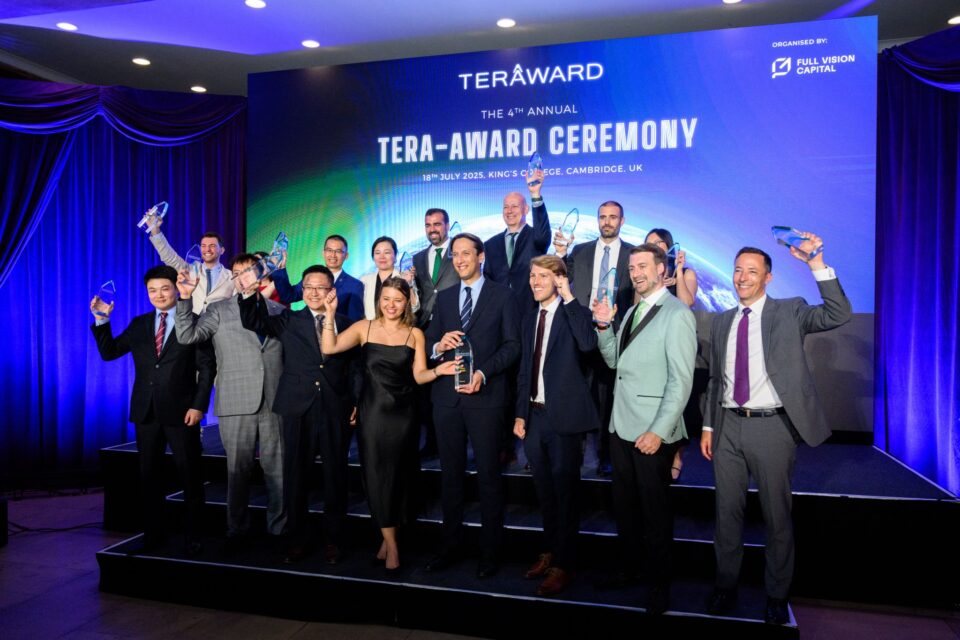
tera award

Photo from TERA-Award

The effects of climate change are becoming harder to ignore, from extreme weather to rising energy demands. But alongside these challenges is a powerful opportunity to rethink how the world is powered.

Around the world, entrepreneurs are creating clean technologies that cut pollution, protect communities, and open new pathways for sustainable growth. To turn this wave of climate innovation into lasting change, we need to spotlight the startups driving it and give them the tools and connections they need to scale.

That is where the TERA-Award plays a vital role. Now in its fourth edition, the platform provides promising climate technologies with the spotlight, connections, and funding they need to grow faster and reach more people.

This year, New Energy Nexus China helped bring some of the best ideas to the table. Out of a record-breaking 785 entries, nine of the 28 finalists were startups we recommended – including the 1st, 2nd, and 3rd place winners, plus five Merit Award recipients. Together, they took home over US$1.15 million in prizes and, more importantly, the resources and networks to turn their solutions into global impact.

The winning startups
Gold Winner – Barocal (United Kingdom)

Barocal is transforming cooling and heating by replacing harmful refrigerant gases with solid-state materials. Developed over 15 years at the University of Cambridge, the technology delivers higher efficiency, lower costs, and lower emissions, tackling major environmental challenges head-on.

Its retrofit-friendly design integrates seamlessly into existing infrastructure, making it easier for industries to adopt greener, more cost-effective systems.

“Build better products, not just greener ones… If you can offer solutions that are cheaper, smaller, faster, or more flexible and more sustainable, you’re in business.” Florian Schabus, CCO

barocal 02 2048x1365

Photo from Barocal

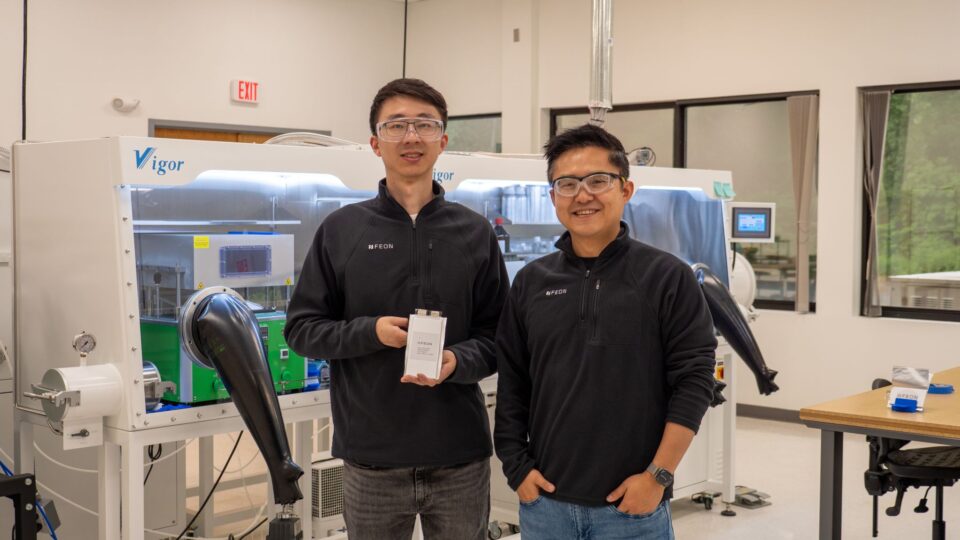
Silver Winner – Feon Energy (United States)

Feon Energy is reinventing battery electrolytes with novel molecules that make batteries safer, more powerful, and more energy-dense – without raising costs or disrupting manufacturing. Its drop-in technology is proving itself today in high-performance markets such as drones and UAVs, and is already being developed with partners in electric vehicles and energy storage systems.

With the potential to boost energy density by 50% while cutting lithium use by up to 40%, Feon is accelerating adoption across the battery industry and building trust through real-world validation and long-term collaboration.

“For the first time in human history, we have the tools to engineer our environment and our planet’s future, not just adapt to it… The impact you create can shape the world for generations to come.” – Wenxiao Huang, CEO and co-founder

feon energy

Photo from Feon Energy

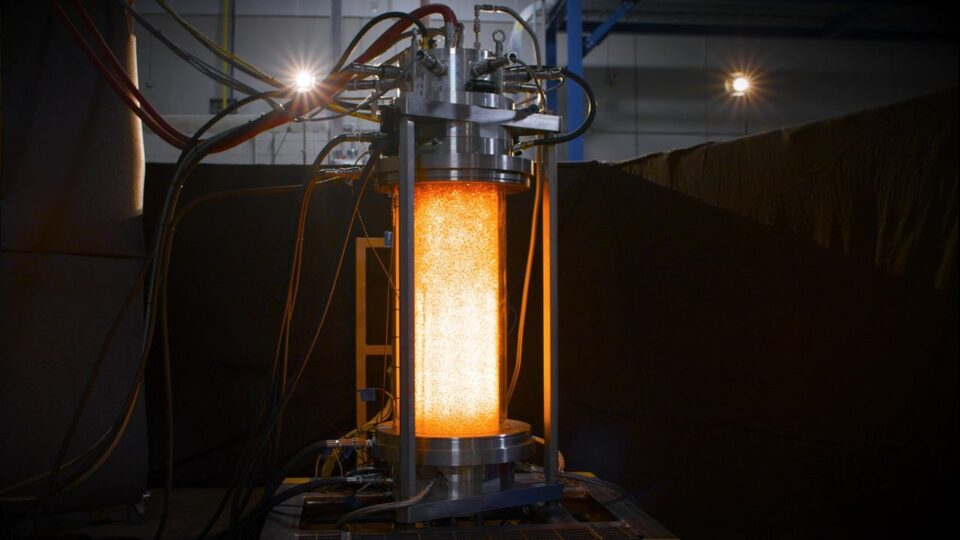
Bronze Winner – Syzygy Plasmonics (United States)

Syzygy Plasmonics uses a plasmonic photocatalyst to drive chemical reactions with light instead of heat from combustion. Their NovaSAF platform transforms biogas from landfills or dairy farms into sustainable aviation fuel, tackling emissions from both waste and air travel.

Highly energy-efficient and made from low-cost materials, the technology offers an accessible and scalable path to decarbonizing aviation, while unlocking value from underused resources.

“Expect that things won’t work immediately and you will have to try again and again… If you do not give up and you do not get discouraged, eventually you will find success.” – Trevor Best, CEO

syzygy plasmonics

Photo from Syzygy Plasmonics

Beyond the podium finishers, five out of 11 Merit Awardees were also recommended by New Energy Nexus China:

Why it matters

For three years, New Energy Nexus China has partnered with the TERA-Award to connect it with our global network, promote the competition, and help bring advanced green energy solutions to market. This year, the startups that won through our pipeline did not only bring home huge prizes – they’ve proven that when entrepreneurs get the right support, their ideas can reach the global stage and have a far greater impact than where they started.

At New Energy Nexus, we build ecosystems that help climate tech entrepreneurs thrive. That means giving them access to mentorship, funding, technical expertise, and markets where their solutions can make a difference. With entrepreneurs like TERA-Award leading the way, backed by our programs across the world, we’re fast-tracking the shift to 100% clean energy for all.

Ready to unlock your own startup’s potential? Find out how we can support you here.

Explore More
News
Philippines
Renewable energy tech
Philippine solar industry pushes for easier consumer access, regional support


August 28, 2025, Sta. Rosa — As the Philippines races to meet its 35% renewable energy target by 2030, solar industry leaders said regional support for clean energy innovation will be critical in translating national renewable energy targets into on-ground adoption.

This was highlighted through back-to-back Solar Community Meetups hosted by New Energy Nexus Philippines in Cebu City and Sta. Rosa, Laguna, on August 20 and 28, respectively. Both events convened key government officials, utilities, financiers, and solar entrepreneurs.

Consisting of panel and breakout discussions among the participating stakeholders, the Solar Community Meetup not only surfaced challenges in both Central Visayas and CALABARZON, but also brought out insights and solutions to address these gaps.

“By connecting solar entrepreneurs with potential clients, facilitating dialogues between LGUs and utilities, and offering capacity-building programs tailored to local needs, we’re ensuring that solar adoption doesn’t happen in silos. Instead, it’s driven by a collaborative ecosystem where innovation, financing, and policy support move in sync. That’s the unique role New Energy Nexus fills,” said Jacob Taguinod, Partnerships Manager at New Energy Nexus Philippines.

The two regions have made significant progress in solar adoption, from Cebu hosting the country’s first floating solar project to CALABARZON rapidly scaling rooftop installations across factories, malls, and municipal buildings. However, this momentum is slowed by common challenges: cumbersome net metering processes, supply chain constraints, and consumer concerns over unaccredited installers.

Reforms are starting to take shape. Cebu officials are committing to streamlined permitting, while in CALABARZON, MERALCO has begun improving interconnection procedures.

“One of our priorities at the DOE is to ensure that national renewable energy policies are effectively implemented at the local level. In regions like CALABARZON, this means working closely with LGUs to strengthen permitting guidelines, and with utilities to make net metering more accessible,” said Edward V. Neri, OIC-Division Chief at the Department of Energy – Solar Energy Management Division.

“We are committed to making the interconnection process simpler and clearer for our customers who want to adopt solar. Through initiatives like net metering and distributed energy resources (DER), we aim to empower consumers to become prosumers while ensuring that every installation is safe, reliable, stable, and sustainable for the grid. By working hand-in-hand with local governments, solar installers, and industry partners, we can accelerate rooftop solar adoption across CALABARZON,” said Engr. Botany KC Anne Sevilleja-Briones, Executive Assistant to the Chief Revenue Officer at MERALCO.

“To make the solar adoption easier, Cebu City will ensure, with the new administration, that the Office of the Building Official streamlines net metering requirements by minimizing red tape,” said Cebu City Councilor Joel Garganera. “Cebuanos should expect changes that will make the process faster and simpler, with more incentives for those who choose renewable energy.”

Civil society groups such as the Clean Energy Advocates Association of the Philippines (CEAAPI), which was formed as a result of previous Solar Community Meetups, and the Philippine Solar and Storage Energy Alliance (PSSEA) are also pushing to raise industry standards and build consumer confidence.

Meanwhile, solar installers highlighted that stronger policy support at both the national and regional levels is critical to accelerating adoption.

“Beyond financing and market competition, installers face challenges from unclear or inconsistent implementation of standards. Stronger national and regional policies that enforce safety and quality, while supporting accredited practitioners, will raise industry standards and protect the installers and consumers,” said Bernard Torralba, Owner of Solar Hyperion, a solar installation company.

New Energy Nexus builds ecosystems that enable clean energy entrepreneurs, including those in the solar business, to scale their solutions in the Philippines and beyond. The Solar Community Meetups are part of its ongoing programs backing the country’s solar industry — more information can be found here.

Media contacts:

Dayther Manubag, Communications Lead, New Energy Nexus Philippines, dayther.manubag@newenergynexus.com (based in Mandaluyong City)

Maverick Flores, Senior Content Producer, New Energy Nexus, maverick.flores@newenergynexus.com (based in Quezon City)

About New Energy Nexus

New Energy Nexus (NEX) is the world’s leading clean energy ecosystem builder, working toward a 100% clean energy economy for 100% of the population. It does this with a laser focus on diverse entrepreneurs, supporting them with accelerators, funds, skills, and building the local and global connections they need to thrive. NEX has accelerated 1,700+ startups and businesses, empowered over 11,500+ entrepreneurs, and mobilized more than US$5.4 billion in investment.

Since its founding in California in 2004, NEX now operates programs or services in Australia, China, India, Japan, Indonesia, Nigeria, Pakistan, the Philippines, South Korea, Thailand, Uganda, the USA (California and New York), and Vietnam.

Follow NEX on LinkedIn, X, Facebook, and YouTube

Story
Pakistan
Built Environment
Climate entrepreneurs are powering Pakistan’s solar momentum – here’s how

Pakistan is experiencing a solar boom unlike any other. In just the first half of 2024, the country imported over 13 GW of solar panels – more than the total installed capacity of some entire countries (The Great Solar Rush in Pakistan, 2024). This unprecedented growth could push it ahead of its 2030 renewable energy targets years in advance.

The impact is already rippling through communities: farmers are swapping diesel pumps for solar-powered tubewells, industries are securing their own reliable power, and families are reducing their reliance on an overstretched grid. Clean energy is reshaping daily life, and climate entrepreneurship is multiplying its benefits across the country.

From waste-to-energy ventures in Karachi to e-mobility startups in Lahore, Pakistan’s climate innovators are finding practical solutions to real problems. But without stronger support systems, many promising ideas struggle to scale.

pakistan 1 768x512

From left: Zeeshan Ashfaq, CEO of Renewables First, and Stanley Ng, Global Partnerships Director at New Energy Nexus

That’s why New Energy Nexus has partnered with Renewables First to launch Climate Innovation Pakistan (CLIP): a national platform designed to empower entrepreneurs, develop a skilled workforce, and shape policies that unlock clean energy innovation for the long run.

Through CLIP, we’re building the kind of ecosystem that helps climate entrepreneurs move from idea to impact:

  • CLIP Incubator – Turning early-stage ideas into market-ready solutions.
  • New Energy Academy – Training the solar workforce powering Pakistan’s transition.
  • ThinkLab – Publishing actionable insights on what’s working or not in Pakistan’s climate innovation landscape, informing smarter policy and investment decisions.
CLIP Incubator: From idea to traction

Inside the CLIP Incubator, founders spend 12 weeks transforming their vision into traction. The program helps them validate products, test solutions with real customers, and refine their go-to-market strategies.

With guidance from mentors who have built and scaled in challenging markets, startups gain not only technical advice but also access to pilots, partnerships, and investors across Pakistan’s growing climate ecosystem.

clip journey

The Clip Incubator journey. Photo from Climate Innovation Pakistan

This is a space designed for entrepreneurs who want to move faster, smarter, and stronger – without giving up equity, and with support tailored to Pakistan’s realities. Learn more and apply here.

New Energy Academy: Building the solar workforce

Pakistan’s solar boom cannot succeed without skilled workers ready to deliver it. That’s why CLIP is launching the New Energy Academy: Solar Fundamentals Training in Islamabad this September.

Developed by New Energy Nexus, GSES Global Sustainable Energy Solutions, and OpenSolar, and implemented in collaboration with Renewables First and the Pakistan Solar Association, the program blends online and in-person learning to train young people for jobs in installation and maintenance. Participants will gain hands-on skills, mentorship, and connections with employers in a sector that’s growing faster than ever.

By preparing the next generation of solar professionals, the Academy ensures Pakistan’s clean energy transition is powered by people as well as panels. Find out more and sign up by August 22.

site karachi

A solar installation in Karachi, Pakistan. Photo from Wikimedia Commons, User: Crosji

Breaking down barriers

Pakistan is one of the world’s most populous countries and one of the most climate-vulnerable. At the same time, it holds enormous potential for clean energy to drive inclusive growth. Yet for many entrepreneurs, barriers to progress persist: limited financing, scarce data, and policy barriers.

CLIP aims to change that. By combining New Energy Nexus’s global expertise in building startup ecosystems with Renewables First’s deep local insights, the platform will help unlock new opportunities for entrepreneurs, investors, and communities alike.

At New Energy Nexus, we support diverse climate entrepreneurs worldwide, giving them the accelerators, funding, skills, and connections to thrive. Through CLIP, we’re expanding that mission in Pakistan, helping climate tech founders transform a historic solar rush into long-term impact for communities and industries across the country.

The path is clear: Build on this clean energy growth in Pakistan and carry it over to the rest of the world. Now it’s time to give innovators worldwide the tools to carry it further.

Ready to scale your own innovation? Check out our programs here.

Explore More
News
Philippines
Renewable energy tech
Cebu City solar industry gathers in bid to fast-track clean energy adoption

Cebu City, Philippines, 20 August 2025 — Clean energy leaders revealed how Cebu City is an emerging hub for solar energy at a convening today of government and industry leaders, highlighting the massive potential to scale if financing, supply chain constraints, and bureaucratic delays in net metering are addressed.

“Our [New Energy Nexus Philippines] goal is not just to convene, but to strengthen the solar community by helping set standards, address bottlenecks, and connect stakeholders across the value chain. What we saw in this meetup is that Cebu has the workforce, demand, and commitment—it just needs the right ecosystem support. That’s where NEX Philippines comes in.” said Sheryl Estella, Academy Manager of the New Energy Academy, a learning platform for clean energy professionals and entrepreneurs – powered by New Energy Nexus, GSES, and OpenSolar.

Key leaders in government, utilities, finance, and the local solar industry came together for New Energy Nexus Philippines’ Solar Community Meetup, its second run in the city. The event included panels and breakout discussions on scaling the local clean energy economy and the adoption of renewables in the Central Visayas.

The region’s solar landscape has seen promising yet modest growth over the past few years. Notably, Visayas now hosts around 472 MW of rooftop solar capacity, according to the Institute for Climate and Sustainable Cities’ SPECTRUM platform, which is still only a fraction of the Philippines’ total potential. Cebu Province is also home to pioneering projects such as the country’s first megawatt-scale floating solar facility in Toledo City – which has a capacity of nearly 5 MW. Meanwhile, battery storage integration is starting to emerge, while interest from households and SMEs continues to grow.

Despite this momentum, barriers persist. A recent report highlighted challenges such as high upfront costs, limited financing access, bureaucratic delays in net metering, and supply chain constraints, which threaten to slow down solar adoption across the country.

“To make the solar adoption easier, Cebu City will ensure, with the new administration, that the Office of the Building Official streamlines net metering requirements by minimizing red tape. Cebuanos should expect changes that will make the process faster and simpler, with more incentives for those who choose renewable energy,” said Cebu City Councilor Joel Garganera.

One solution is the formation of the Clean Energy Advocates Association of the Philippines (CEAAPI), which emerged from the 2024 Solar Community Meetup in Cebu City. CEAAPI is a network of installers, service providers, and advocates working together to accelerate clean energy adoption in the region. By promoting certifications, transparency, and quality standards, the organization also helps address the growing issue of fly-by-night installers and low-quality systems that undermine consumer zhetrust. CEAAPI is also the official hub partner for the 2025 run.

This year’s meetup comes at a pivotal moment, with a large-scale floating solar project starting in the city and local government buildings being upgraded to solar. Establishing strong relationships between the solar industry, local government, and other key stakeholders can be a powerful catalyst for solar adoption – streamlining permitting processes, improving access to financing programs, and integrating solar into public infrastructure plans.

New Energy Nexus Philippines is set to conduct another SCM in the CALABARZON Region on August 28, part of their ongoing and future programs equipping the local solar community with the tools to scale their solutions. More information can be found here.

Media contacts:

Dayther Manubag, Communications Lead, New Energy Nexus Philippines. dayther.manubag@newenergynexus.com (based in Mandaluyong City)

Maverick Flores, Senior Content Producer, New Energy Nexus. maverick.flores@newenergynexus.com (based in Quezon City)

About New Energy Nexus

New Energy Nexus (NEX) is the world’s leading clean energy ecosystem builder, working toward a 100% clean energy economy for 100% of the population. It does this with a laser focus on diverse entrepreneurs, supporting them with accelerators, funds, skills, and building the local and global connections they need to thrive. NEX has accelerated 1,700+ startups and businesses, empowered over 11,500+ entrepreneurs, and mobilized more than US$5.4 billion in investment.

Since its founding in California in 2004, NEX now operates programs or services in Australia, China, India, Japan, Indonesia, Nigeria, Pakistan, the Philippines, South Korea, Thailand, Uganda, the USA (California and New York), and Vietnam.

Follow NEX on LinkedIn, X, Facebook, and YouTube

Story
California
Renewable energy tech
From prototype to powerhouse: how CalSEED helped spark Antora Energy’s growth
antora

Antora thermal battery on a crane.

Antora Energy is no longer a startup to watch; it’s a force to be reckoned with in the race to onshore American manufacturing and decarbonize industry. But before it raised $150 million in Series B funding, partnered with industrial giants, or landed on the pages of Fast Company and The Wall Street Journal, Antora was an early-stage startup facing a very familiar challenge: proving that the tech worked.

Back in 2019, that’s where CalSEED stepped in.

The Innovation: Turning Heat into Electricity

Antora’s core innovation is a thermal battery system that stores renewable energy as heat in inexpensive, earth-abundant materials. While Antora’s first product outputs that energy as industrial heat to drive manufacturing processes, its second product will also convert that heat back into electricity using thermophotovoltaic (TPV) cells. These cells function like solar cells designed to capture the wavelengths of light from Antora’s glowing-hot carbon blocks inside the battery.

This approach unlocks cost-effective, long-duration energy storage—the solution California and other clean energy leaders need to power the industry and ensure grid reliability as they deploy more intermittent energy resources, such as wind and solar.

But when Antora applied to CalSEED, the concept was still early. The company needed to prove that its TPV cells could reliably deliver electricity at the required efficiency, durability, and scale.

The Support: What CalSEED Made Possible

With support from the CalSEED Concept and Prototype awards, Antora conducted critical engineering validation and reliability testing of its TPV technology.

Throughout the grant in 2019, Antora:

  • Characterized over 100 TPV cells, measuring reflectance, electrical performance, and power density
  • Tested complete module prototypes at 1500°C conditions to simulate real-world battery operation
  • Ran thousands of hours of reliability tests, de-risking failure modes, and validating lifespans
  • Improved design and manufacturing processes, incorporating feedback from stress tests and failure analysis

This work helped establish that Antora’s TPV technology could convert heat to electricity at efficiencies of 40%+ and operate under extreme conditions with minimal degradation. More importantly, it laid the foundation for scaling production and building investor confidence.

“The work of this project, including the thousands of hours of reliability that have already been demonstrated, has greatly de-risked the commercial viability of TPV in long-duration energy storage.”
— Antora Energy, CalSEED Final Report

The Results: Rapid Growth and Real-World Impact

Since completing the CalSEED project, Antora has:

The company’s technology is now seen as a leader in powering industry with clean, low-cost energy. Antora’s batteries can keep industry running 24/7, even during extreme heatwaves and wildfire shutdowns.

Why It Matters: A Clear Path to Grid Decarbonization

Thermal energy storage, like Antora’s, could save California $1.5 billion annually, improve grid reliability, and reduce 25 million metric tons of CO₂ annually. That’s equivalent to taking nearly 6 million cars off the road. [Source]

And it all started with a prototype.

Antora’s success is a textbook example of how CalSEED helps bridge the “valley of death” for climate tech startups—de-risking early innovations, validating performance, and clearing the path from lab to market.

From Concept to Commercialization with CalSEED’s Spark

Every major clean energy company was once a concept seeking support. Antora’s journey demonstrates that targeted, early-stage funding and validation programs, such as CalSEED and CalTestBed, make the difference between promising ideas and scalable solutions.

Antora is now powering toward a clean future, and CalSEED helped light the way.

CalSEED Story: Antora


This story was originally posted by CalSEED.fund, our program in California.

Explore More

DTS 2025 – Summary Report

August 8, 2025
Story
Indonesia
Built Environment
Rooted in reality: Kuantek’s community-driven climate solutions

In the vast and varied landscapes of East Nusa Tenggara (Nusa Tenggara Timur or NTT), innovation doesn’t just mean new technology. It means survival. For many communities across this archipelagic province, daily life is shaped by scarcity: of water, electricity, and reliable infrastructure. But it’s also shaped by resilience, creativity, and a deep sense of adaptation.

This is where Kuantek, short for Kuan Timor Technology (Teknologi Kampung Timor), is planting its roots and building climate solutions that emerge not from abstract theory, but from the lived experiences of the people they aim to serve.

Co-founders Ben Vasco Tarigan, Abraham Talluta (CEO), and Abdi Nenotek (CTO) do not claim to have all the answers to NTT’s struggles. But they do have one thing that many technology companies overlook: they listen.

dsc05086

Kuantek Co-Founders: Abraham Talluta (CEO), Abdi Nenotek (CTO), and Ben Vasco Tarigan.

“We always ask our users: Apa yang paling menyakitkan? What’s the most painful part of your day?” says Ben. “We design our products from there.”

To Kuantek, listening isn’t just a design principle – it’s their business model.

Three years after its founding, Kuantek connected with New Energy Nexus Indonesia through the IKEA Foundation-funded Smart Energy Incubation Program and the [RE]Spark Hackathon. At the time, they had a clear target – addressing NTT’s lack of access to clean water. Their solution was to build an affordable seawater desalination system to produce drinkable water for coastal communities.

From this one idea, Kuantek kept evolving. They began developing a range of environmental technologies designed to address the needs of rural and remote populations, from preserving produce with little energy cost to making water out of air.

The three innovators weren’t siloed in labs. Instead, they co-created their products with the very communities that will reap the benefits. Each innovation started with a simple premise: Making life easier, using what the community already has.

The dehydrator that changed the game

One of Kuantek’s most talked-about products is their low-power dehydrator, a tool that’s now helping farmers in Timor dry and preserve chili and vanilla crops for longer shelf life and higher selling prices.

Getting dehydrators is a smart economic move for farmers. It allows farmers the option to dry and store fresh produce, instead of having to sell it quickly to avoid spoilage. This gives them more control over pricing and market timing.

However, commercial dehydrators often require up to 1000 watts to operate, and in rural areas such as those in Nusa Tenggara Timur, the power capacity per household only reaches up to 500 watts. That’s where Kuantek came in.

“We designed ours to run at just 270 watts,” says Ben. The secret is a combination of energy-efficient lighting systems and localized materials. “It’s not just about being energy-efficient. It’s about making sure people can actually use it.”

dsc05116

Kuantek’s low-watt food dehydrator

Harvesting water from thin air

Another of Kuantek’s solutions is a system that converts humidity from the atmosphere into potable water, using solar energy. This technology is particularly suited for some areas in NTT, where air humidity is high, but water sources are often inaccessible or unsafe.

Ben envisions installing these atmospheric water systems in schools and highland tourism areas, especially in places where groundwater is either unavailable or requires expensive and unsustainable drilling.

“We want to eliminate the need for groundwater wells in hard-to-reach areas,” he said. “Instead, let’s use what we already have: heat, air, and sunlight.”

In a pilot project, they installed a solar thermal-powered water station in a coastal village. Three months later, the local pastor reported something profound: for the first time, they had no trouble getting clean water. “That’s when we knew we were doing something right,” Ben said.

dsc05097

Solar-powered water harvesting system

Designing through constraint

While their ideas may be bold, implementation is often difficult, as NTT’s geography presents a host of logistical barriers.

Some islands can only be accessed by small boats that can’t carry heavy machinery. Roads are narrow, winding, and poorly maintained. In many villages, bridges don’t exist, and rivers swell during the rainy season, cutting off access altogether.

This makes even the most well-designed product a challenge to deliver. Kuantek had to rethink their seawater desalination system when they realized the original version was too large for local transport networks.

“So we redesigned the whole thing to be smaller, but with the same capacity,” Ben explains. “It wasn’t just about making it small, it was about making the technology mobile, modular, and manageable.”

A culture of listening

For Kuantek, the job doesn’t end at innovation. Often, it begins long before product design, and continues well beyond delivery.

Their team frequently plays the role of advocate, helping villages navigate complex systems like reporting power outages to PLN, the state-owned power company. They also introduce basic feedback mechanisms so that communities feel empowered to ask for improvements or raise concerns.

“Sometimes our work is as simple as showing people how to talk to PLN,” Ben said, laughing. “Other times, we’re advocating for completely new systems to be built.”

They are also aware of the challenges of behavior change. Many people in rural NTT have adapted to unreliable electricity and limited water access, often without realizing it. That makes introducing new technologies tricky.

“It’s incredibly difficult to ask someone to adopt new behaviors,” Abraham said. “So instead, we look at the things they’re already doing, and we design from there.”

This empathetic approach ensures that technologies don’t feel foreign or intrusive, but intuitive.

When it comes to criticism of their business, Ben sees it as very valuable insight. Rather than resisting feedback, they see it as an invitation to collaborate.

This philosophy has allowed Kuantek to keep improving, even with limited resources.

“Disagreements and pushback are something I see as gifts. When people tell us what’s wrong, they’re actually helping us make the product fit better,” he reflects. “It’s our job to listen, iterate, and make it real.”

dsc05152

Kupang, East Nusa Tenggara

A data-driven dream

Looking to the future, Kuantek is embarking on an ambitious initiative: mapping the infrastructure, climate, and behavioral patterns of every district in NTT.

They want to build a data bank – a library of regional insights that can guide future innovations and help them develop tailored, low-emission technologies suited to each community’s unique needs.

“Some areas are hot, dry, and windy. Others are humid or rich in seawater. Every place is different,” says Ben. “But if we know the conditions, we can create the right solutions.”

Beyond the benefit to their business, Kuantek wants the database to be an open reference point for governments, entrepreneurs, universities, and other innovators who want to build effective, community-centered technology in rural Indonesia.

Their dream is to make technology accessible and replicable. “Even if it’s simple, if people understand how it works, they can build it themselves,” Ben says.

Kuantek sums up their entire approach in five words: “Datang, Duduk, Diskusi, Design, Diseminasi (5D),” which translates to “Come. Sit. Discuss. Design. Disseminate.

More than a method, it’s a mindset that values patience over speed, trust over disruption, and purpose over profit.

“Where there are a thousand problems, there are also a thousand solutions,” says Ben. “Our job is to figure out how to tackle them.”

For all the challenges NTT presents, the people soldier on every day to live on to the next. They are what inspires each small invention at Kuantek. In turn, the company’s technologies seek to ease their burdens and build a cleaner future, in NTT and beyond.


Want more clean energy stories and opportunities in Indonesia? Check out New Energy Nexus Indonesia here.

Explore More